News and articles
- Home
- Articles






Latest posts
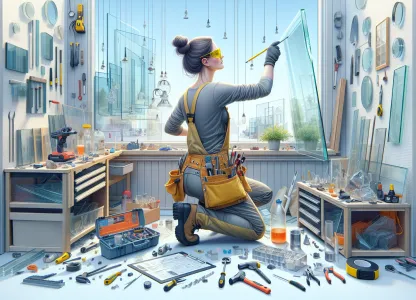
A glazier works with cutting, installing, and repairing glass in everything from windows and doors to custom glass solutions for buildings and vehicles. Common tasks include installing double-glazed units, repairing broken panes, measuring, and sometimes working with leaded glass or art glass. The work environment is often varied and can involve outdoor and indoor work, sometimes at heights or in confined spaces. The profession requires accuracy, precision, and a good understanding of safety procedures, as handling glass involves certain risks.
Read more ->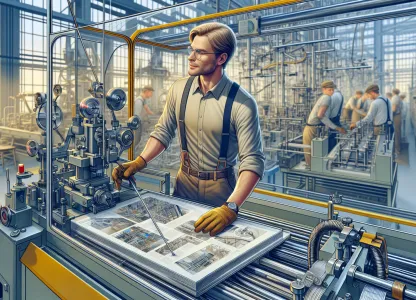
A Glasmaskinskötare is responsible for monitoring and controlling machines used in the manufacturing and processing of glass products. Tasks include starting, stopping, and adjusting machines, inspecting production, and ensuring the quality of the finished glass meets current standards. It also involves performing basic maintenance and troubleshooting on machinery. The work environment is often characterized by industrial premises where noise, heat, and shift work may be present, requiring precision and adherence to safety routines.
Read more ->-

Opinion Polls: Kantar-Sifo shows increased support for S, decline for SD and C
Fri, 13 Feb 2026 - 01:35 -

Policy rate remains at 1.75% – Riksbank signals stability
Thu, 29 Jan 2026 - 14:02

A glazier painter works with decorating and coloring glass surfaces, often within artistic or craft projects. Tasks include planning and designing motifs, applying colors and techniques to glass panes, windows, or art objects. Glazier painters combine artistic sensibility with craftsmanship, using both traditional and modern methods. The work usually takes place in studio or workshop environments but can also involve on-site work during restoration of church windows or public buildings. The environment is often characterized by calmness and precision, with a strong focus on details and quality.
Read more ->
A glass artist creates artworks, functional objects, and unique installations in glass using various techniques such as blowing, casting, grinding, and engraving. The work requires both artistic sensibility and technical skill, as glass is a material that demands precision and patience. Many glass artists work in their own studios or glassworks, where the environment can be warm and noisy due to furnaces and machinery. The profession often involves independent creation as well as collaboration with other artists or designers, and contact with galleries and exhibition organizers.
Read more ->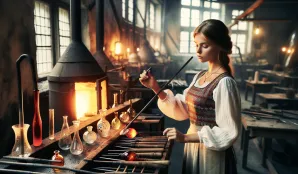
A glassworks worker is involved in manufacturing and shaping glass products in a so-called glassworks. Tasks include melting raw materials, blowing and shaping glass, as well as processing and decorating finished products. The environment in a glassworks is often warm and noisy, with work that requires both precision and physical strength. The work is usually done in teams where craftsmanship and cooperation are crucial to achieving the desired quality of the glass products.
Read more ->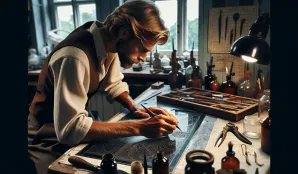
A glass engraver works with decorating and refining glass objects by engraving patterns, text, or images into the surface of the glass. The work is often done by hand using various grinding tools, rotating drills, and sometimes sandblasting. Glass engravers can work with everything from art glass and decorative items to everyday objects such as glasses, decanters, and mirrors. The working environment is usually workshop-based and characterized by precision, attention to detail, and good lighting. It is a craft where both artistic sense and technical skill are crucial for the final result.
Read more ->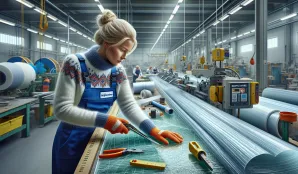
A fiberglass worker in manufacturing primarily works with processing, shaping, and assembling fiberglass products for sectors including construction, industry, and transportation. Tasks include preparing materials, working with molds, monitoring curing processes, and performing quality checks. The work environment often involves production facilities with machinery, where there can be exposure to dust, chemicals, and noise. Precision, patience, and good physical condition are important qualities for success in this profession, as well as understanding safety procedures and quality assurance.
Read more ->
A glass etcher works with etching and decorating glass surfaces using various techniques, such as chemical etching, sandblasting, or engraving. The profession often involves creating patterns, texts, and artistic motifs on glass for interior design, art objects, or custom orders. The working environment varies between small studios and larger workshops, involving both manual and machine-assisted work. Glass etchers handle chemicals, wear protective equipment, and need to have good precision and a keen eye for detail in their daily work.
Read more ->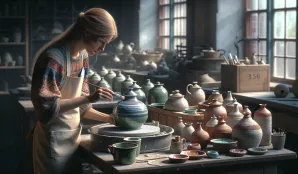
A ceramic glazer works on refining and surface finishing ceramic objects by applying glazes that provide both protection and decorative effects. Tasks include mixing and testing different glazes, dipping or spraying ceramics, and monitoring the firing process in the kiln. Precision and a good sense of color and form are required, as the final result depends on material choices and firing conditions. The work environment is often workshop-based, involving both manual and machine work, and may expose workers to dust, chemicals, and high temperatures.
Read more ->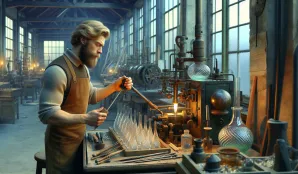
A glassworks worker is involved in the manufacturing, processing, and design of glass products in an industrial setting. Typical tasks include melting raw materials, handling furnaces, blowing or shaping glass, and performing finishing touches such as grinding, polishing, and decorating. The work is often done in teams, where precision and collaboration are crucial to ensure the quality of the finished products. The work environment is warm and can be noisy, with high safety and accuracy requirements when handling both machinery and molten glass.
Read more ->