News and articles
- Home
- Articles






Latest posts

A maintenance machinery mechanic primarily works with servicing, repairing, and preventive maintenance of machines in industry, workshops, or large production facilities. Tasks range from troubleshooting and replacing wear parts to advanced repairs of mechanical and sometimes electrical components. The work is often team-based, but some assignments require independent work and quick decision-making. The work environment varies depending on the industry and workplace but is often characterized by noise, physical activity, and sometimes working at heights or in confined spaces. Protective equipment and safety routines are therefore a natural part of the daily routine.
Read more ->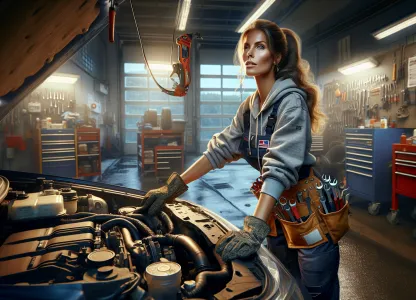
A machine mechanic in an auto repair shop mainly works with service, troubleshooting, and repair of passenger cars and light trucks. Tasks range from routine maintenance such as oil changes and brake replacements to more advanced diagnostics of engines, gearboxes, and electronic systems. Both traditional hand tools and advanced diagnostic equipment are used in the profession. The work environment is often workshop-based, requiring physical endurance and precision. Safety routines are important as the work can involve heavy lifting and working with chemicals.
Read more ->-

Opinion Landscape: Novus February 2026 – Social Democrats Still Largest
Thu, 19 Feb 2026 - 01:35 -

Policy rate remains at 1.75% – Riksbank signals stability
Thu, 29 Jan 2026 - 14:02

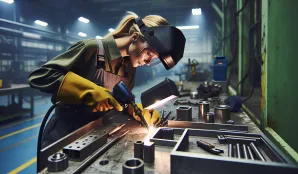
A Maskinlödare works with joining components and materials using automated or semi-automated welding machines. Tasks include preparing workpieces, monitoring the welding process, and quality control of the final product. The work is often carried out in electronics, metal, or automotive industries where precision and accuracy are crucial. The work environment is characterized by production facilities, meaning work can be performed in small workshops or large industrial plants. Safety routines and protective equipment are common, as handling hot materials and fumes are part of the work.
Read more ->
A machinery consultant within agriculture works as an advisor and specialist focusing on farm machinery and technical equipment. Tasks include supporting farmers in selecting, purchasing, and maintaining machinery, analyzing machinery fleets, optimizing workflows, and contributing to increased efficiency and sustainability on farms. The role also involves staying updated on technological innovations and environmental requirements, sometimes by conducting field visits or demonstrations. The work environment is varied and can shift between offices, workshops, outdoor environments, and client visits, requiring flexibility and good communication skills.
Read more ->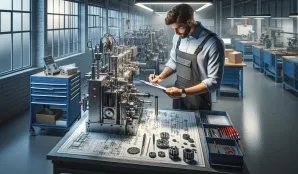
A mechanical engineer with a master's degree in mechanical engineering is responsible for developing, designing, and improving machines, mechanical systems, and components. The work often involves creating technical drawings, building prototypes, and conducting analyses to ensure that designs meet requirements for functionality, durability, and safety. Mechanical engineers collaborate closely with other engineers, production teams, and sometimes clients to find optimal solutions. The work environment is primarily office-based but may also include visits to workshops or production facilities, especially during testing or commissioning of new systems. Advanced CAD software and simulation tools are commonly used in daily work.
Read more ->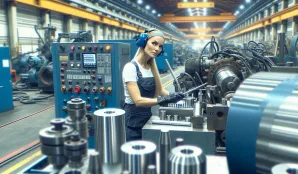
A mold core maker primarily works with manufacturing and maintaining cores, molds, and other components used in metal casting and alloy production within industrial manufacturing. Tasks include both manual and machine operations, where precision and accuracy are central to ensuring product quality. Mold core makers are often employed in the steel and metal industries, where the work environment can be noisy and hot and requires protective equipment and good physical condition. The work is usually performed in teams but can also involve independent responsibility for specific production tasks.
Read more ->
A technician in refrigeration and freezing systems is responsible for operating, monitoring, and maintaining technical systems that regulate temperature and climate in larger properties, industrial facilities, or food processing plants. Tasks also include troubleshooting, repairs, and sometimes installing new refrigeration and freezing systems. Often, inspections and documentation of operational data are performed to ensure optimal functioning and compliance with safety standards. The work environment can vary between technical control centers, machine rooms, and sometimes outdoor work or at heights, depending on the installation’s location and type.
Read more ->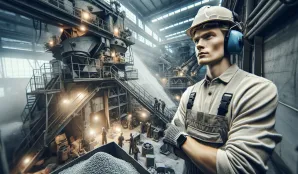
A crusher plant machine operator plays a central role in the mining and construction industries. Their tasks involve monitoring, operating, and maintaining crushing facilities where stone, gravel, and ore are processed into desired sizes for further use. This includes starting, stopping, and adjusting crushers, overseeing material flow, and identifying and fixing operational disturbances. The work environment is often noisy and dusty, involving outdoor and indoor work, demanding accuracy, safety awareness, and technical understanding. The operator often collaborates with other professionals on-site to ensure efficient and safe production.
Read more ->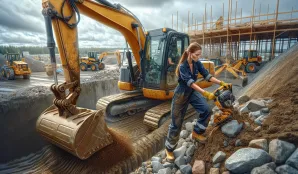
An excavator operator mainly works with operating and managing excavators during various types of construction work, such as digging, land preparation, pipeline installation, and infrastructure construction. The tasks often include preparing the work site, reading blueprints, ensuring machine functionality, and performing precision work in collaboration with other trades at construction sites. The environment is varied and can involve outdoor work in different weather conditions, sometimes in confined or hard-to-reach areas. Safety and accuracy are central to the work, as the machines are powerful and the work requires great concentration and a sense of responsibility.
Read more ->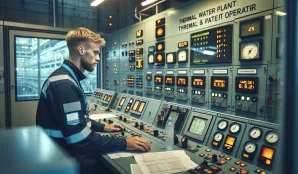
A machine operator in the operation of power plants, waterworks, and heating plants is responsible for monitoring, controlling, and maintaining technical facilities that produce electricity, heat, or treat water. The work involves ensuring that operations run efficiently and safely, often by checking control panels, performing rounds, and quickly addressing deviations. Machine operators often work in shifts, as facilities must be staffed around the clock, and the work environment can vary between office-like control rooms and more physically demanding environments at the facilities. Regular contact with colleagues and technical staff occurs to solve problems and carry out planned maintenance.
Read more ->