News and articles
- Home
- Articles






Latest posts
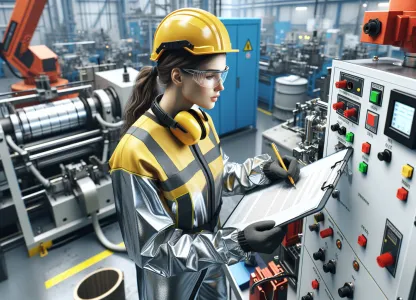
A destruction machine operator works with handling and operating machines used for destroying, recycling, or neutralizing various types of materials and substances. Tasks often include monitoring destruction processes, checking machine functionality, and ensuring compliance with environmental and safety regulations. The operator may work with hazardous waste, chemicals, or residual products, which demands high precision and responsibility. The work environment is typically industrial and can involve both indoor and outdoor work, sometimes in shifts and with protective equipment as a routine part of the job.
Read more ->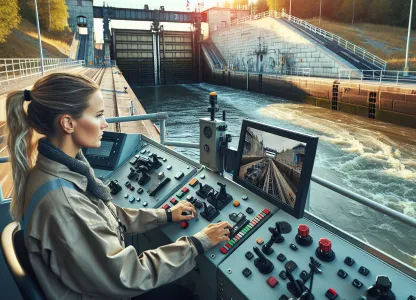
A machine operator within bridges and locks is responsible for monitoring, operating, and maintaining bridges and locks in waterways. The tasks include inspecting machinery, handling opening and closing of bridges, and regulating water levels to ensure safe passage for ships and boats. The profession requires constant attention, as work often occurs in direct proximity to waterways and infrastructure where traffic safety is critical. The work environment can vary between indoor control rooms and outdoor work at bridges and locks, sometimes under demanding weather conditions and with irregular hours.
Read more ->-

Opinion Landscape: Novus February 2026 – Social Democrats Still Largest
Thu, 19 Feb 2026 - 01:35 -

Policy rate remains at 1.75% – Riksbank signals stability
Thu, 29 Jan 2026 - 14:02

A projectionist in a cinema is responsible for operating and monitoring film projection equipment, sound systems, and digital projectors in screening rooms. Tasks include preparing for screenings, troubleshooting, and performing basic maintenance of machines and systems. In today’s digital cinemas, a good technical understanding and the ability to quickly handle operational disruptions are essential, while maintaining a strong focus on visitor experience. The work environment often involves irregular hours, evening and weekend work, and periods of high activity, especially during premieres or major film releases.
Read more ->
A steam-driven engineer is responsible for operating, monitoring, and maintaining steam boilers and related facilities. Tasks include starting, stopping, and regulating boilers, monitoring pressure and temperatures, and troubleshooting operational issues. The engineer ensures safety regulations are followed and handles chemicals for water treatment. Work can occur day or night, often in shifts, in environments with high safety standards and technical equipment. The role also involves documenting operational data and collaborating with other technicians and engineers.
Read more ->
A mechanical engineer with a university degree works on developing, designing, and improving machines, products, and technical systems. Tasks include calculations and CAD drawings, project management, and quality assurance within manufacturing, energy, or technology companies. Typical work environments are offices, laboratories, and production facilities where collaboration with other engineers, technicians, and production staff is central. The role requires both analytical skills and practical thinking, often in project form with problem-solving under high demands for efficiency and sustainability.
Read more ->
A mechanical engineer in mechanical engineering works on developing, designing, and improving machines, products, and processes across various industries. Tasks can include designing new components and systems, optimizing production, and quality assurance of technical solutions. The work is often project-based, in collaboration with other engineers, technicians, and specialists. The work environment is generally office-based, but many mechanical engineers also work on-site at production facilities, factories, or testing facilities to follow up and ensure quality of technical solutions in real-world conditions. The role involves a combination of analytical work, practical problem-solving, and interdisciplinary collaboration.
Read more ->
A machine operator within metal works with processing metallic materials into precise shapes and dimensions. The work is often performed using advanced machines, where precision and accuracy are crucial. Tasks include setting up, monitoring, and adjusting machine tools to ensure products meet specified tolerances and quality standards. The role also involves reading and interpreting technical drawings and performing ongoing quality checks. The work environment is typically industrial, with elements of noise and requirements for protective equipment, and the work can be both independent and team-based.
Read more ->
A masking engraver in print media works with preparing and engraving printing plates or cylinders used in various printing processes. Tasks include manual engraving and digital processing methods, where precision and accuracy are crucial for the final result. The work is often done in close collaboration with printers, prepress technicians, and other specialists in graphic production. The work environment is typically technically oriented and can be workshop-based and production-oriented, often involving shift work and ergonomic considerations. Safety procedures and quality assurance are integral parts of daily work.
Read more ->
A Maskingravör in metal is responsible for engraving patterns, texts, and decorations on metal objects using various machines and tools. Tasks include interpreting drawings, preparing workpieces, setting up engraving machines, and quality control of the finished product. The work often takes place in specialized workshops or industrial environments where precision and accuracy are crucial. The work environment can be noisy and dusty, making protective equipment and good routines important parts of daily work.
Read more ->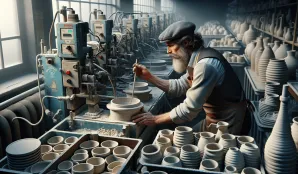
A ceramic mold maker specializing in ceramics mainly works with shaping and processing ceramic materials in industrial environments. Tasks include monitoring and controlling machines that shape clay or other ceramic-based materials into desired products such as tiles, porcelain, or technical components. The work often involves setting up machines, checking the quality of finished products, and performing simple maintenance. The work environment is characterized by proximity to machinery, sometimes high noise levels, and handling dust, which requires precision and protective equipment. Collaboration with other production professionals is common, and the work can be physically demanding and repetitive.
Read more ->