News and articles
- Home
- Articles






Latest posts
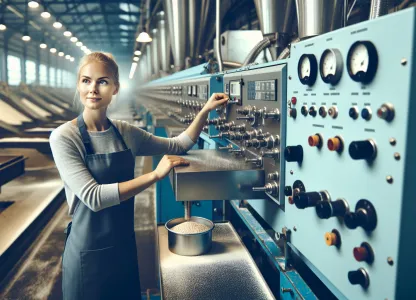
A feed machine operator works with monitoring, controlling, and maintaining machines and production lines that manufacture animal feed. Tasks include starting and stopping machines, checking product quality, performing basic maintenance and troubleshooting, and documenting production according to routines. The work environment is often industrial with noise, dust, and heavy lifting, requiring precision and safety awareness. The work is usually shift-based and can involve both independent tasks and teamwork within production teams.
Read more ->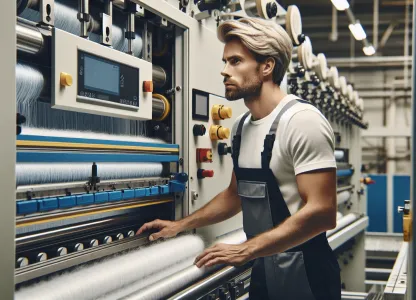
A machine operator within fiber fabric works with monitoring, controlling, and maintaining machines that produce various types of fiber-based materials. The work often involves starting and stopping machines, adjusting settings, checking the quality of the finished product, and quickly addressing any operational disruptions. The work environment is characterized by factory and industrial premises where noise and dust particles may be present, requiring adherence to safety regulations and the use of protective equipment. Shift work is common, and the pace can be high at times to ensure efficient production.
Read more ->-

Opinion Landscape: Novus February 2026 – Social Democrats Still Largest
Thu, 19 Feb 2026 - 01:35 -

Policy rate remains at 1.75% – Riksbank signals stability
Thu, 29 Jan 2026 - 14:02

A machine operator within data chips works in high-tech environments where manufacturing and monitoring of equipment for data chip production are central. Tasks include starting, setting up, and monitoring advanced machines, performing ongoing quality checks, and identifying and correcting any errors or deviations in the process. The environment is often cleanroom-based to ensure product quality, which requires high precision, concentration, and technical understanding. Collaboration with engineers, technicians, and other operators is common, and work may be day shifts or shifts depending on production needs.
Read more ->
A machine operator in CD manufacturing is responsible for monitoring and controlling automated machines that produce CDs. Tasks include starting, stopping, and adjusting machines, handling raw materials, and ensuring product quality through ongoing inspections and sampling. The operator troubleshoots during breakdowns, performs basic maintenance, and documents production data. The work environment is often industrial, emphasizing precision, safety, and high tempo, with potential noise levels and repetitive motions.
Read more ->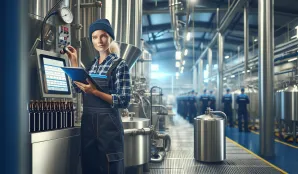
A machine operator in a brewery is responsible for monitoring, controlling, and maintaining the machinery used in the production of beer, soda, and other beverages. The work involves daily checks of machinery function, handling raw materials, supervising the production process, and taking action in case of stoppages or technical issues. The work environment is often characterized by a fast pace, shift work, and strict hygiene requirements to ensure quality and food safety standards. Machine operators work closely with colleagues in production, warehousing, and quality assurance, which requires good communication skills and flexibility.
Read more ->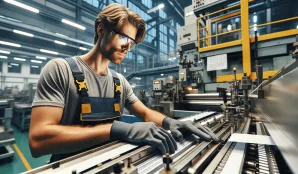
A machine operator in bookbinding is responsible for monitoring, controlling, and maintaining machines used for binding, stapling, and refining printed materials into finished books, brochures, and magazines. The work includes setting up machines, refilling materials, checking product quality, and performing basic troubleshooting and maintenance. The working environment is often production-oriented and may involve shift work, noise, and physical activity. Precision and technical interest are central qualities, as the production requires high accuracy and effective collaboration with colleagues.
Read more ->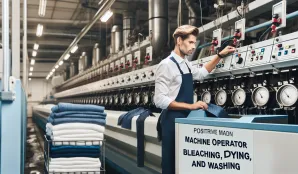
A machine operator in bleaching, dyeing, and washing primarily works within the textile and process industry, monitoring and controlling machines that treat materials according to specific requirements for color, cleanliness, and finish. Responsibilities include preparing machines, measuring and adding chemicals, monitoring process progress, and performing ongoing checks and quality tests. The operator also documents process data and, if necessary, fixes minor operational issues. The work environment is often industrial, requiring precision, safety, and the ability to work independently and in teams. Protective equipment is regularly used due to chemical handling and noise from the machines.
Read more ->
A machine operator in a bakery is responsible for monitoring, controlling, and maintaining the machines used in the production of bread, pastries, and other bakery products. Tasks include starting and setting up machines, overseeing production, checking the quality of finished products, and performing simple maintenance work. It also often involves refilling raw materials, adjusting machine settings, and troubleshooting minor technical issues that may arise during production. The working environment is typically industrial and can be noisy and warm, especially during peak seasons and in larger bakeries where production runs in shifts.
Read more ->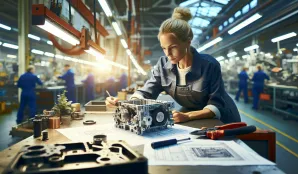
A machine assembler in manufacturing primarily works with assembling, adjusting, and inspecting machine parts and components within industrial production, often with a focus on the automotive industry. Tasks include manual work and the use of advanced tools and machines to ensure products meet high-quality standards. Assembly often takes place on production lines or in small groups, where teamwork and precision are crucial. The work environment is characterized by a fast pace, noise, and sometimes heavy lifting, but also a strong focus on safety and clear routines to minimize risks. Machine assemblers are expected to follow instructions carefully and often work shifts, requiring flexibility and endurance.
Read more ->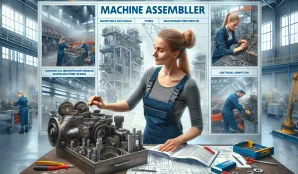
A machine assembler in installation and repair is responsible for assembling, installing, maintaining, and repairing machines and technical equipment in industry. Tasks often include reading and interpreting drawings, troubleshooting mechanical and electrical systems, and replacing or adjusting components to ensure operational safety. The work is usually carried out in industrial environments, workshops, or at customer sites, involving both independent work and collaboration with other specialists. The work environment can range from calm workshop conditions to more intense production lines, often requiring precision and safety when handling heavy machine parts.
Read more ->