News and articles
- Home
- Articles






Latest posts
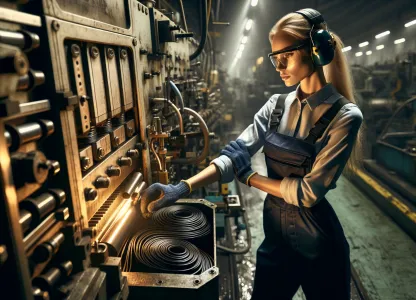
A machine operator in the rubber industry is responsible for monitoring, controlling, and maintaining machines that produce rubber products, such as hoses, tires, seals, and industrial rubber. Tasks include setting up machines, quality checks, troubleshooting, and basic repairs during operational disruptions. The work is often performed in production environments where the pace can be high, and safety regulations are central. Machine operators work closely with colleagues in production and maintenance, and the work environment involves both physical activity and technical problem-solving.
Read more ->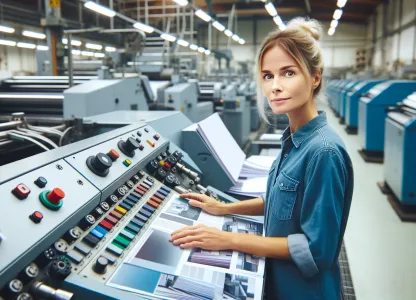
The role of a machine operator in the graphic industry and printing house involves handling and monitoring printing presses and other advanced production equipment for printed materials. Typical tasks include machine preparation, overseeing the printing process, quality control, as well as basic maintenance and troubleshooting. The work is often carried out in production facilities with a fast pace and time pressure, where precision and technical knowledge are crucial to ensure a high-quality final product. The work environment can vary from small print shops to larger industrial facilities, where collaboration with other production roles is common.
Read more ->-

Opinion Landscape: Novus February 2026 – Social Democrats Still Largest
Thu, 19 Feb 2026 - 01:35 -

Policy rate remains at 1.75% – Riksbank signals stability
Thu, 29 Jan 2026 - 14:02


A machine operator in the graphic industry and paper products is responsible for monitoring and operating machines that produce various paper products, such as packaging, printed materials, and other goods made of paper or cardboard. The work involves setting up, starting, and controlling production lines, troubleshooting machines, and ensuring the quality and pace of production. The work environment is often industrial, with high noise levels and safety procedures. Physical work is common, as well as shift work, which may include day, evening, and night shifts depending on production needs.
Read more ->
A machine operator in the graphic industry specializing in bookbinding is responsible for handling and monitoring machines used in the production of books, newspapers, and other printed materials. Tasks include loading paper into machines, adjusting settings, supervising production, and ensuring the final product meets quality standards. The work environment often involves noise, heavy lifting, and shift work, as production can operate around the clock. Precision, technical understanding, and the ability to quickly solve problems are crucial qualities for success in the profession.
Read more ->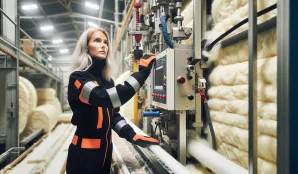
A glass wool machine operator is responsible for monitoring, controlling, and maintaining machines that produce glass wool, a material used for insulation in construction and industry. Tasks include starting and stopping production lines, adjusting machine settings to ensure quality, and performing basic troubleshooting and maintenance. The work is usually carried out in an industrial environment with high noise levels, heat, and sometimes dust, requiring protective equipment and precision. Collaboration with colleagues to maintain a steady production flow is common, as well as documenting operational data and reporting any deviations.
Read more ->
A fiber glass machine operator primarily monitors, controls, and maintains machines that produce fiber glass products. Tasks include starting and stopping equipment, checking material flows, adjusting settings to ensure quality, and performing basic troubleshooting and maintenance. The work is often carried out in production environments where precision and safety are central. Shift work is common, and the work environment can be noisy and involve handling chemicals and protective equipment.
Read more ->
A machine operator specializing in drywall is responsible for monitoring and controlling the machines used in the production of gypsum-based building materials. The tasks often include checking raw material consumption, ensuring the production meets quality standards, and quickly addressing any process disruptions. The work typically takes place in an industrial environment with high safety requirements, where precision and technical knowledge are crucial. Machine operators often work in shifts and collaborate with colleagues in production, maintenance, and quality control to ensure a steady flow throughout the manufacturing process.
Read more ->
A machine operator in yarn preparation monitors, controls, and adjusts machines that prepare yarn for further production in the textile industry. Tasks include feeding raw materials, checking machine functions, troubleshooting minor technical issues, and ensuring the quality of the finished yarn meets set standards. The environment is often industrial, with noise levels and work tasks that require both precision and physical endurance. The job may involve shift work and requires good teamwork skills, as production often occurs in teams.
Read more ->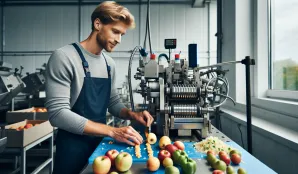
A machine operator in fruit and vegetable processing primarily monitors and controls machines that wash, peel, cut, package, and preserve fruits and vegetables in the food industry. Tasks include both manual work and automated processes, with quality assurance and raw material control as central elements. The work environment is often characterized by a high pace and may involve shift work, especially in larger production facilities. Safety routines and hygiene are important factors, and work is usually performed in cool or temperature-controlled environments to meet food safety standards.
Read more ->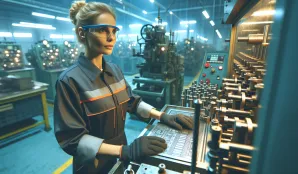
A machine operator in phonogram production monitors and controls machines that produce and process audio media, such as CDs, vinyl records, or other sound carriers. Tasks include setting up, monitoring, and maintaining production lines, quality control, and troubleshooting technical issues. The environment is often industrial, requiring precision, accuracy, and the ability to quickly resolve technical challenges. Work shifts can be scheduled around the clock, and the workplace is characterized by a fast pace and the need for good communication skills.
Read more ->