News and articles
- Home
- Articles






Latest posts
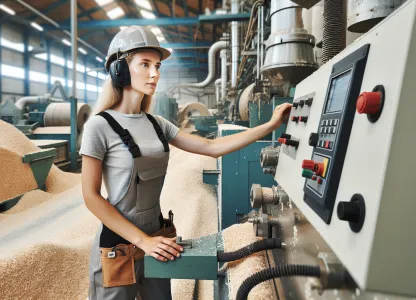
A pellet machine operator primarily monitors and manages machines that produce and refine pellet products, often within the wood and sawmill industry. Tasks include machine adjustments, quality control, troubleshooting, and basic maintenance. The operator ensures consistent product quality and adherence to safety regulations in the often noisy and dusty industrial environment. The work may involve day and shift work, requiring attention to detail, precision, and good teamwork skills since it is often performed in teams.
Read more ->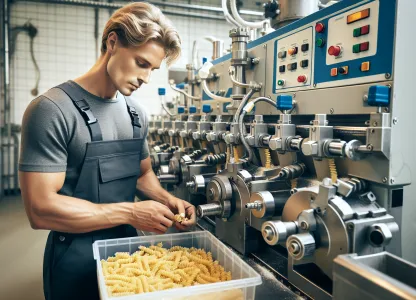
A machine operator in pasta production is responsible for monitoring and controlling the machines that produce pasta in various shapes. The work includes setting up, starting, and continuously inspecting the production lines. Other key tasks include preventing and fixing operational disruptions, performing basic maintenance, and ensuring compliance with hygiene and quality standards. The work environment is characterized by shift work and pace changes, requiring both physical effort and technical knowledge. Regular contact with colleagues in the production team and close collaboration with quality control are common.
Read more ->-

Opinion Landscape: Novus February 2026 – Social Democrats Still Largest
Thu, 19 Feb 2026 - 01:35 -

Policy rate remains at 1.75% – Riksbank signals stability
Thu, 29 Jan 2026 - 14:02

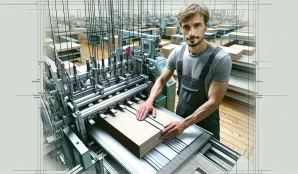
A softband machine operator is responsible for monitoring and controlling machines that produce or process softbands, for example in bookbinding and packaging industries. Tasks include setting up, starting, and monitoring machines, checking the quality of the finished material, and performing simple maintenance and troubleshooting. The work requires precision and the ability to quickly identify and fix any errors that may occur during production. The work environment is usually industrial, which may involve noise, shift work, and physically demanding tasks. Safety regulations and ergonomics are important parts of daily work.
Read more ->
A mineral wool machine operator is responsible for monitoring and controlling machines in the manufacturing process of mineral wool products, such as insulation. Tasks include starting and stopping machines, supervising production flow, performing quality checks, troubleshooting minor machine issues, and ensuring production maintains the correct pace and quality. The work is often in shifts, and the environment can be noisy, hot, and dusty. Precision, technical knowledge, and the ability to quickly solve problems are crucial for ensuring safe and efficient production.
Read more ->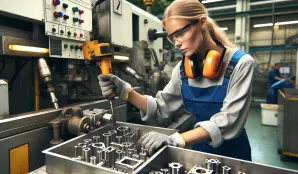
A machine operator in metal surface treatment primarily handles, monitors, and adjusts machines that treat metal surfaces. Tasks often include preparing materials, setting machine parameters, checking processes, and quality assurance of the final product. Processes may include galvanization, anodizing, painting, or other surface treatments depending on the type of metal and end product. The work is typically performed in industrial environments where safety regulations are crucial and where the work environment is often characterized by high pace, noise, and sometimes high temperatures. Precision and responsibility are essential to ensure products meet quality standards and that machines operate smoothly without disruptions.
Read more ->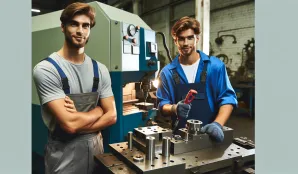
A machine operator in a mechanical workshop is responsible for monitoring, setting up, and operating various types of machines used in metalworking and manufacturing. The work involves preparing machines, feeding in materials, overseeing production, and ensuring the final product meets quality standards. Troubleshooting, basic maintenance, and quality checks are often part of daily tasks. The working environment is characterized by industrial facilities where noise, vibrations, and handling heavy materials are common, requiring both precision and safety awareness.
Read more ->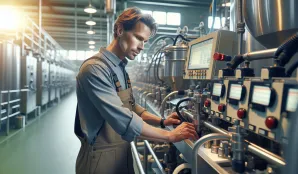
A dairy machine operator is responsible for monitoring, controlling, and maintaining the machines used in the production and packaging of dairy products. Tasks include starting and stopping production lines, checking product quality, performing basic maintenance, and reporting deviations. The work is often in shifts, and the environment can be noisy and cool, as many dairies require low temperatures to ensure food safety. Collaboration with other roles in production and logistics is common, as well as meticulous documentation of production data and quality controls.
Read more ->
A machine operator specializing in tea, coffee, and cocoa is responsible for monitoring, controlling, and maintaining machines used in the production and packaging of these food products. The work often involves starting and stopping production lines, ongoing quality and safety checks, adjustments, troubleshooting, and preventive maintenance, as well as documenting production data. The work environment is typically industrial, with a combination of noise, temperature variations, and hygiene requirements. Collaboration with colleagues and a strong focus on safety are central, as the work is performed close to machinery and sometimes under time pressure.
Read more ->
A machine operator in the food industry with a focus on sugar primarily monitors and controls machines used in the production and processing of sugar products. Tasks include starting, monitoring, and adjusting production lines, handling raw materials, performing quality checks, and troubleshooting minor technical issues. The work environment is often industrial and may involve shift work, noise, and working in environments with changing temperatures. Precision, technical understanding, and the ability to follow hygiene standards are essential to ensure consistent and safe production.
Read more ->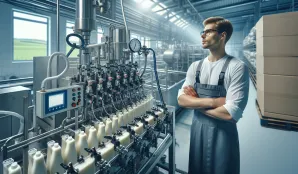
A machine operator in the dairy and food industry is responsible for monitoring, controlling, and maintaining the machinery used in food production and processing, with a particular focus on dairy products. Tasks include starting and stopping machines, controlling production flow, ensuring hygiene and quality standards are met, and troubleshooting minor technical issues that may arise during the shift. The role often involves reading measurement instruments and documenting production data. The work environment is characterized by high pace, shift work, and sometimes noisy environments, where precision and responsibility are crucial to maintaining food safety and continuous production.
Read more ->