News and articles
- Home
- Articles






Latest posts
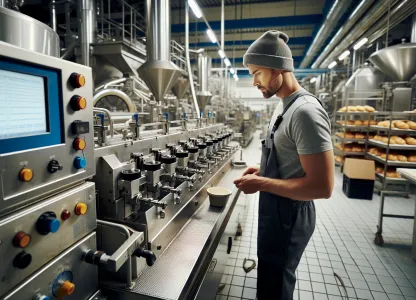
A machine operator in a bread factory is responsible for monitoring, controlling, and maintaining the machines used in the production of bread and other bakery products. Tasks include starting and stopping machines, adjusting settings to ensure consistent quality, and quickly addressing any operational disruptions. The work often involves shift work in production areas where temperatures and noise levels can vary. Precision, technical interest, and the ability to work independently and in teams are important qualities in this role.
Read more ->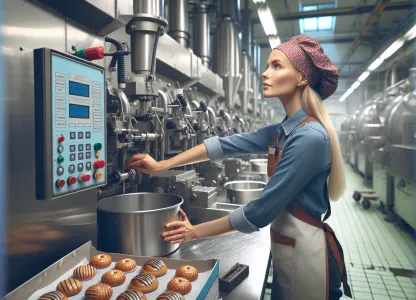
A bakery machine operator supervises and manages automated machines used in bread and pastry production. Tasks include starting, setting up, and adjusting machines, refilling raw materials, monitoring production, and performing basic maintenance and troubleshooting. The work often takes place in fast-paced production environments with high hygiene standards and teamwork with other roles. Shift work and irregular hours may occur, especially in larger bakeries operating around the clock.
Read more ->-

Opinion Landscape: Novus February 2026 – Social Democrats Still Largest
Thu, 19 Feb 2026 - 01:35 -

Policy rate remains at 1.75% – Riksbank signals stability
Thu, 29 Jan 2026 - 14:02

A textile machine operator primarily works with cutting fabric, leather, or other textile materials according to given templates or patterns, often using advanced machinery. Tasks include reading and interpreting work instructions, preparing materials, setting up and monitoring machines, and checking that the cuts are accurate. The work is usually performed in industrial environments where precision, efficiency, and attention to detail are crucial. Quality control of the finished material and basic maintenance of the machines are often included. The work environment can be noisy and requires good physical condition and accuracy, as handling large material pieces and machinery demands safety awareness and attentiveness.
Read more ->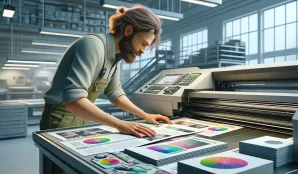
A typesetter primarily works within graphic production and printing, focusing on preparing and adjusting text and images for printing or digital publishing. The profession often involves working with advanced digital tools and software for layout and typography, as well as handling machines that automatically set and position text on printed materials. The work environment is typically technically advanced and can be both office-based and production-oriented, depending on the workplace’s size and focus. Typesetters are responsible for ensuring the final product meets high quality standards, which requires precision and an eye for detail.
Read more ->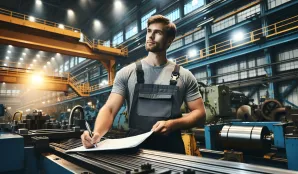
A Maskinriktare primarily works with setting up, monitoring, and adjusting machines within the steel and metal industry. Tasks include ensuring machines and process equipment operate optimally, troubleshooting operational issues, and maintaining or replacing components as needed. It is common to work in production environments where precision, safety, and accuracy are of utmost importance. Maskinriktare often collaborate in teams but can also have independent responsibility for specific machine lines or production sections. The work environment is characterized by a high focus on safety, noise, and sometimes shift work, which demands both technical knowledge and good physical endurance.
Read more ->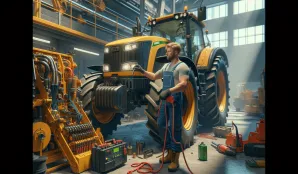
A machine repairer specializing in agricultural and construction machinery mainly works with service, maintenance, and repair of heavy equipment used in agriculture, forestry, and construction sectors. Tasks include troubleshooting, replacing worn components, and advanced repairs of engines, hydraulics, and electronic systems. The work often takes place both in a workshop setting and outdoors on the machines, which means the working environment can vary from clean indoor spaces to outdoor work under different weather conditions. Machine repairers need to be flexible and experienced in handling both physical and technical challenges in their daily work.
Read more ->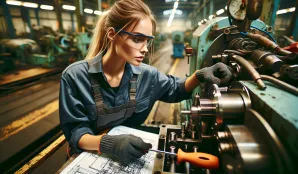
A machine repairer within industrial machinery and mechanical equipment is responsible for maintaining, troubleshooting, and repairing machines and technical equipment in industrial environments. The tasks involve quickly identifying and fixing faults on, for example, production lines, pumps, motors, and other mechanical equipment to ensure reliable and efficient production. The work often includes performing both preventive and emergency maintenance, replacing worn parts, and sometimes making adjustments or upgrades to machine systems. The work environment can vary from clean workshops to noisy factories and production facilities, where safety is always a top priority and work during non-standard hours may occur during major downtime.
Read more ->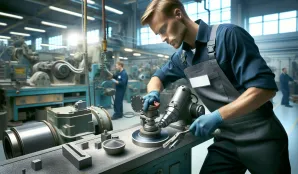
A machine polisher works with grinding, polishing, and processing surfaces made of metal, plastic, or other materials using various machines and tools. The tasks often include preparing surfaces for further manufacturing, improving the finish of components, or removing unevenness and scratches. The environment is typically industrial, with work taking place in workshops, factories, or specialized production facilities. Precision, patience, and good knowledge of machine functions are important factors for achieving high-quality results that meet production requirements.
Read more ->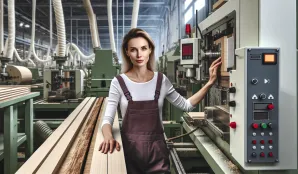
A machine operator in the timber industry primarily works with monitoring, controlling, and maintaining machines used in wood processing. Tasks include starting and setting up machines, checking the production flow, identifying and fixing any disruptions, and performing basic maintenance and adjustments. The work environment is often industrial and can be noisy, with high demands on safety and precision. The work is generally performed in shifts and involves both independent responsibility and collaboration with colleagues within the production team.
Read more ->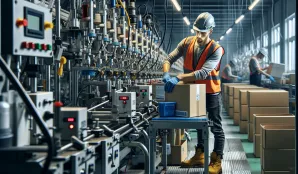
A machine packer primarily monitors and operates machines that package goods within the industry. Tasks include manual handling and machine-based packaging, with key responsibilities such as checking machine functionality, refilling materials, and quality control of finished products. The role often requires quick troubleshooting of minor issues and performing basic maintenance. Work is typically carried out in production facilities with a fast pace, where safety routines and teamwork are vital parts of daily life.
Read more ->