News and articles
- Home
- Articles






Latest posts
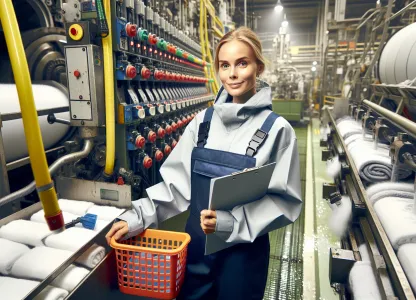
Machine washers work with supervising and managing industrial washing machines in environments such as laundries, textile industries, or dry cleaners. Tasks often include sorting and preparing textiles, loading and unloading machines, selecting and dosing detergents, and monitoring the washing process to ensure quality standards are met. The work also involves checking machine functionality, performing basic maintenance, and sometimes handling minor repairs. The work environment is often characterized by a fast pace, noise, humidity, and demands for accuracy and following instructions to ensure safety and quality.
Read more ->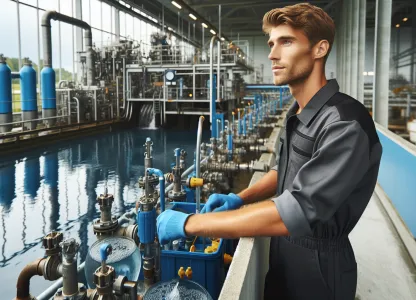
A mechanical technician in a waterworks is responsible for the operation, maintenance, and monitoring of technical equipment in water treatment plants to ensure optimal functioning. Tasks include troubleshooting, repairs, preventive maintenance, and installation of machines and systems that guarantee safe and efficient water supply. The work is often performed in teams and requires good collaboration skills as well as the ability to quickly solve technical problems. The work environment can vary between indoor work in control rooms and outdoor work at larger waterworks, where safety protocols and precision are crucial for both operational reliability and water quality.
Read more ->-

Opinion Landscape: Novus February 2026 – Social Democrats Still Largest
Thu, 19 Feb 2026 - 01:35 -

Policy rate remains at 1.75% – Riksbank signals stability
Thu, 29 Jan 2026 - 14:02

Mechanical technicians specialized in repair and service of machines are responsible for maintaining, troubleshooting, and repairing various types of industrial machines and technical systems. Common tasks include installing new equipment, routine maintenance, emergency repairs, and analyzing and fixing machine failures. The work often takes place in production environments, workshops, or in the field, and can involve both planned maintenance and emergency interventions during downtime. The work environment is technically advanced and requires precision, problem-solving skills, and the ability to work independently as well as in teams.
Read more ->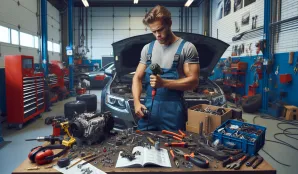
A mechanical technician specializing in vehicle repair and maintenance is responsible for troubleshooting, maintaining, and repairing various types of motor vehicles, such as cars, trucks, and special vehicles. The role includes diagnosing technical problems, replacing components, and performing both preventive and urgent service actions. The work is often carried out in a workshop environment but can also include on-site visits to customers or workplaces. The technician works with advanced equipment and digital diagnostic tools, requiring practical skills and a good understanding of new technology. The work environment is often physically demanding and may involve exposure to noise, chemicals, and heavy lifting.
Read more ->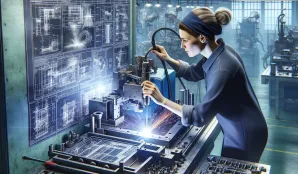
A machine welder works with joining metals and other materials using various welding methods, often with the help of advanced machines and automated equipment. Tasks include preparing workpieces, setting up and monitoring welding machines, as well as quality control of finished welds. Maintenance and troubleshooting of the machines, as well as documentation, are also often part of the job. The work environment can vary from large workshops and industrial facilities to smaller workshops, but is generally characterized by noise, heat, and sometimes working in confined spaces, which requires good safety awareness and protective equipment.
Read more ->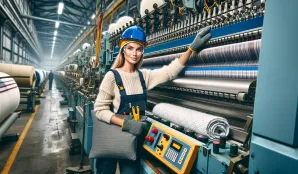
A machine knitter works in manufacturing textile products by operating and monitoring knitting machines within the textile industry. Common tasks include preparing machines, setting parameters, overseeing production, and performing basic maintenance. The work environment often involves industrial facilities with a fast pace, where noise levels and dust may be present. Precision and the ability to quickly identify and resolve production disruptions are central qualities in the profession. Machine knitters work both independently and in teams, often in shifts depending on production needs.
Read more ->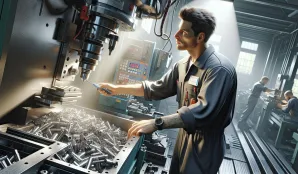
A machine setter in machine tools is responsible for setting up, adjusting, and monitoring various types of metalworking machines such as lathes, milling machines, and CNC machines. The work involves preparing machines for production, changing tools, programming machines, and ensuring that the production meets quality and dimensional standards. The work environment is often industrial, can be noisy, and requires precision and safety. Collaboration with operators and technicians is common, as well as close interaction with production management to optimize machine efficiency and minimize downtime.
Read more ->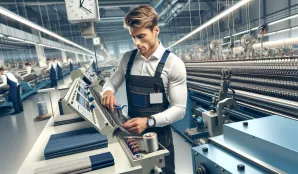
A machine setter in the textile industry is responsible for setting up, monitoring, and maintaining machines used in textile manufacturing. Tasks include adjusting machine settings to ensure production meets quality standards and quickly troubleshooting any operational issues. Often, basic repairs and preventive maintenance are also part of the job. The work environment is in production facilities where precision, technical knowledge, and the ability to work independently are important. The environment can be noisy and the pace sometimes high, especially during large orders or production peaks.
Read more ->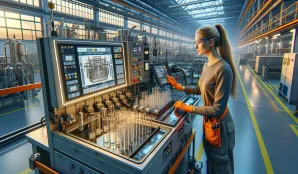
A machine setter in glass manufacturing is responsible for setting up, monitoring, and adjusting machines used in the production of glass products. Tasks include ensuring machines operate optimally, replacing tools and components as needed, and preventing or fixing operational disruptions. The machine setter often collaborates with operators and maintenance staff to maintain high production speed and quality. The work environment is typically industrial, with proximity to heavy machinery and sometimes high temperatures, requiring precision and safety awareness.
Read more ->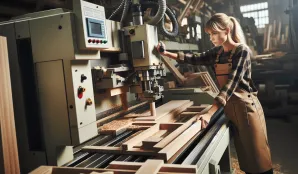
A machine carpenter works with manufacturing products from wood and wood-based materials using various types of machinery. Common tasks include sawing, milling, sanding, and assembling wood parts for furniture, interiors, and construction components. The work is usually carried out in production environments such as factories or workshops where the focus is on both quality and efficiency. The work environment can be noisy and requires precision as well as the ability to follow safety routines, since the machines used are often powerful and require familiarity with technical equipment.
Read more ->