News and articles
- Home
- Articles






Latest posts
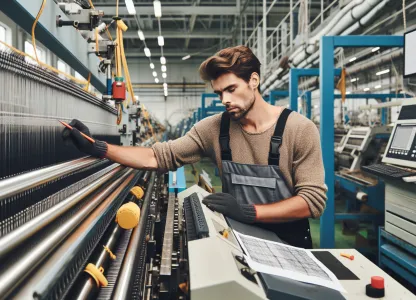
A machine operator in weaving and knitting is responsible for monitoring, controlling, and maintaining machines used in the production of textiles, fabrics, and knitted products. Tasks include starting and setting up machines, overseeing the production process, adjusting settings as needed, and checking the quality of finished products. The work environment is often industrial, fast-paced, and requires precision, with operators collaborating with others in production to ensure smooth workflow. Much of the work takes place in a factory setting where noise, dust, and repetitive tasks are common. Safety regulations are important to minimize risks associated with machine handling and materials.
Read more ->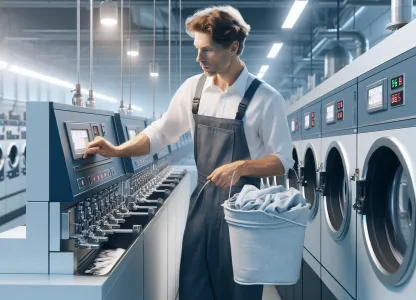
A machine operator in a laundry works with monitoring, controlling, and maintaining machines that wash, bleach, or dye textiles and other materials. Tasks include starting and stopping machines, checking process parameters, adding chemicals, and ensuring the washing results meet quality standards. Often, basic maintenance and troubleshooting of equipment are also part of the job. The work environment is characterized by high pace, moisture, and sometimes heat, and it is important to follow safety routines to prevent accidents and health issues. The work is usually performed in teams and may involve day and shift work depending on the size and focus of the operation.
Read more ->-

Opinion Landscape: Novus February 2026 – Social Democrats Still Largest
Thu, 19 Feb 2026 - 01:35 -

Policy rate remains at 1.75% – Riksbank signals stability
Thu, 29 Jan 2026 - 14:02

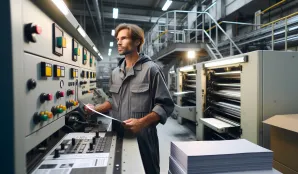
A printing press machine operator is responsible for handling and monitoring printing presses and other machinery used to produce printed materials such as newspapers, brochures, and packaging. The tasks include setting up machines, loading materials, supervising production, performing quality control, and handling minor technical issues. The work requires accuracy, technical skills, and the ability to work in a often fast-paced environment. The work environment can be noisy and sometimes dusty, with both day and shift work depending on the printing company's operations.
Read more ->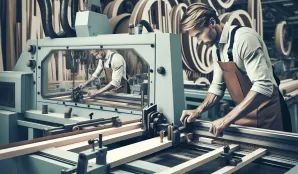
A machine operator in the wood products industry is responsible for monitoring and controlling machines that process wood into various products, such as building materials, furniture, or components for industry. Tasks include starting, setting up, and monitoring machines, performing quality checks, and ensuring continuous production. It also involves performing simple maintenance and troubleshooting during operational disruptions. The working environment is often production-oriented, meaning work takes place in factories or sawmills where noise, dust, and heavy lifting may occur. Safety procedures and the use of protective equipment are an important part of daily routines to minimize work-related risks.
Read more ->
A machine operator in the tobacco industry is responsible for monitoring and controlling machines used in the manufacturing and packaging of tobacco products. Tasks include starting, setting up, and stopping machines, as well as inspecting product quality throughout the production process. The machine operator also performs ongoing maintenance, troubleshooting, and simple repairs to ensure smooth production flow. The working environment is often industrial, with high demands for safety and precision, and work is usually performed in shifts to meet production needs.
Read more ->
A machine operator in the textile industry focusing on weaving and knitting is responsible for monitoring, controlling, and maintaining the machines used in textile production. Tasks include loading materials, adjusting settings, supervising the production flow, and quickly troubleshooting any faults or stops. Precision and technical knowledge are crucial, as quality standards for the final product are often high. The work environment is typically factory-like, with noise and sometimes shift work, demanding both physical endurance and concentration.
Read more ->
A machine operator in the textile industry focusing on sewing is responsible for monitoring, controlling, and maintaining machines used in the production of textile products. Tasks include setting up machines, overseeing the production process, quality assurance, basic troubleshooting, and repairs when needed. The work is often performed in production environments where precision and efficiency are crucial to ensure that the final products meet high quality standards. The work environment is characterized by machine noise, repetitive tasks, and sometimes shift work, requiring concentration and endurance.
Read more ->
A machine operator in the textile industry, shoes, and bags is responsible for monitoring and operating machines used in the manufacturing of textile products, shoes, and bags. Tasks include starting, stopping, and overseeing machines, inspecting product quality, and performing basic maintenance and troubleshooting as needed. The work is often carried out in a production environment where precision and technical understanding are crucial, as small deviations can impact the entire production line. The working environment can be noisy and may require shift work, demanding both physical stamina and the ability to work systematically under time pressure.
Read more ->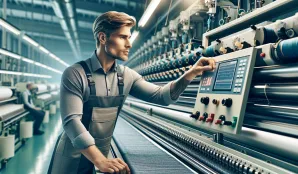
A machine operator in the textile industry monitors, controls, and maintains machines used for producing textile products. Tasks include starting and stopping machines, adjusting settings, refilling raw materials, and ensuring smooth production flow. It also involves quality checks and fixing minor faults or stops. The work environment often features noise, repetitive movements, and shift work, requiring good attention and the ability to work independently and in teams.
Read more ->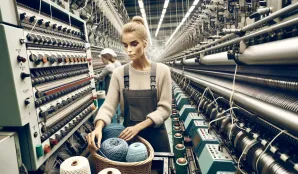
A machine operator in the textile industry specializing in yarn preparation is responsible for monitoring and controlling machines that prepare yarn for further processing in textile production. Tasks include starting, adjusting, and shutting down machines, supervising the production process, and ensuring yarn quality meets set standards. Regular cleaning and minor maintenance of machines are often included, as well as documenting production data and reporting any deviations. The work environment is typically industrial, involving noise, dust, and shift work, but modern facilities often have improved working conditions and safety routines.
Read more ->