News and articles
- Home
- Articles






Latest posts
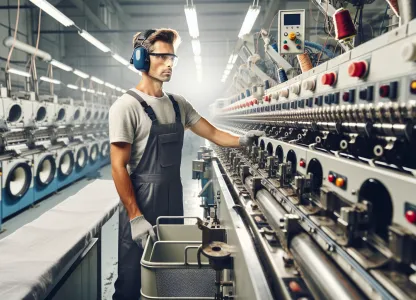
A machine operator in the textile industry focusing on bleaching, dyeing, and washing is responsible for monitoring and controlling machines that treat textiles. Tasks include preparing machines, dosing chemicals, monitoring process parameters, and performing quality checks on the material during and after treatment. The work is often carried out in production facilities where humidity, heat, and chemical odors may be present, requiring strict safety procedures and protective equipment. Collaboration with other operators and technicians is common to ensure a steady production flow and high-quality finished products.
Read more ->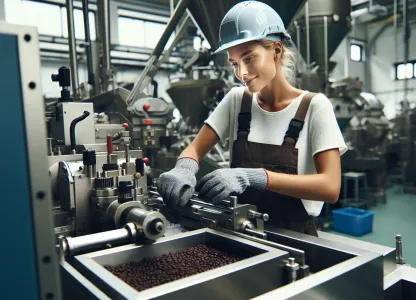
A machine operator within tea, coffee, and cocoa preparation is responsible for monitoring, controlling, and maintaining machines used in the production and processing of tea, coffee, and cocoa. Tasks include starting and stopping production lines, ensuring raw materials are fed correctly, adjusting machine settings, and checking product quality through sampling and visual inspection. The work is often carried out in production halls with high hygiene standards and varying noise levels. The machine operator collaborates closely with quality controllers and maintenance staff to quickly handle any operational disruptions and ensure efficient and safe production.
Read more ->-

Opinion Landscape: Novus February 2026 – Social Democrats Still Largest
Thu, 19 Feb 2026 - 01:35 -

Policy rate remains at 1.75% – Riksbank signals stability
Thu, 29 Jan 2026 - 14:02

A machine operator within stone, cement, and concrete products is responsible for monitoring, controlling, and maintaining machines used in the production of products such as cement, concrete blocks, and prefabricated building components. Tasks often include starting and stopping machines, performing quality checks, adjusting machine settings, and reporting deviations. The environment is typically industrial, with noise, dust, and heavy lifting as a natural part of daily work. Particular attention is paid to safety regulations and proper protective equipment to minimize risks on the job.
Read more ->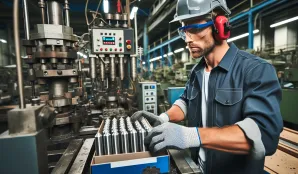
A machine operator within explosives is responsible for monitoring and controlling machines that produce and handle explosives and related chemicals. Tasks often include starting, stopping, and adjusting production lines, ensuring machines operate according to safety regulations, and performing quality checks on finished products. The work environment is strictly regulated with high safety standards, protective equipment, and detailed documentation. Work often takes place in shifts within specially adapted industrial facilities where noise and handling of hazardous materials are common.
Read more ->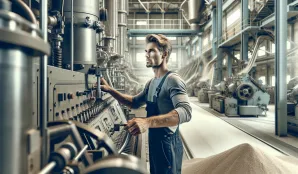
A machine operator in the sugar industry is responsible for monitoring and controlling machines used in the processing and packaging of sugar products. Tasks include starting, stopping, and adjusting machines, ensuring production meets quality standards, and performing basic maintenance and troubleshooting. Work is often done in shifts and may involve both day and night shifts, as production in the sugar industry is often continuous. The work environment is characterized by noise, high temperatures, and demands for safety and accuracy, as handling machinery and raw materials requires high technical and hygienic standards.
Read more ->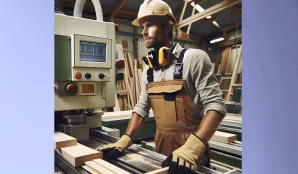
A machine operator in carpentry primarily handles and monitors machines used in the wood industry to produce various wood products, such as furniture, interior details, and building materials. Tasks include setting up, starting, and monitoring machines, performing quality checks, and maintaining and troubleshooting equipment as needed. The work requires precision, technical knowledge, and a good understanding of materials and machinery. The work environment often involves physical labor, noise, and dust, but modern carpentry workshops typically have good ventilation and safety routines to reduce risks. Operators often work in teams, and shift work is common in larger industries.
Read more ->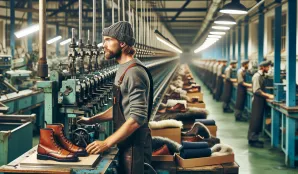
A machine operator in the shoe industry is responsible for monitoring and controlling machines used in the production of shoes and other leather products. Tasks include feeding materials into machines, overseeing production, adjusting settings, and performing basic maintenance. Quality control is an important part of the job, as well as identifying and resolving any faults that occur during production. The work environment is often characterized by a high pace and machine noise, and work is usually performed in production facilities with a clear safety focus. Physical work is common, and attention to detail and the ability to work systematically are required.
Read more ->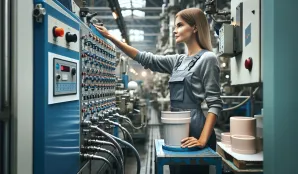
A machine operator within sanitary ware is responsible for monitoring and controlling machines that produce products such as toilets, sinks, and other sanitary articles made of porcelain or similar materials. The work includes starting, stopping, and adjusting machines, checking product quality, and reporting any faults or deviations. The working environment is often industrial, involving factory settings with noise, dust, and sometimes heavy lifting. Safety routines and protective equipment are a natural part of daily life to minimize work-related risks.
Read more ->
A machine operator in mail sorting is responsible for handling and monitoring machines that sort letters, packages, and other mail. The work involves ensuring that mail sorting machines operate optimally, refilling with mail, fixing simple machine stoppages, and checking that sorting is performed correctly according to current routines. The work environment is often characterized by shift work, high pace, and demands for accuracy. Machine operators work both independently and in teams, and the workplace can be noisy with monotonous tasks.
Read more ->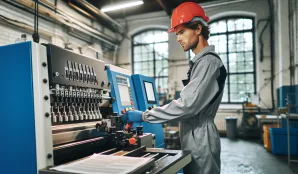
A machine operator in the plastics industry works with monitoring and controlling machines that produce plastic products for various applications. Tasks often include loading raw materials into machines, starting and stopping production, monitoring the process, and inspecting the quality of finished products. It also involves performing basic maintenance, replacing consumables, and adjusting settings to optimize production flow. The work environment is typically industrial, involving factories with noise, heat, and sometimes shift work. Safety procedures and accuracy are central parts of daily work.
Read more ->