News and articles
- Home
- Articles






Latest posts
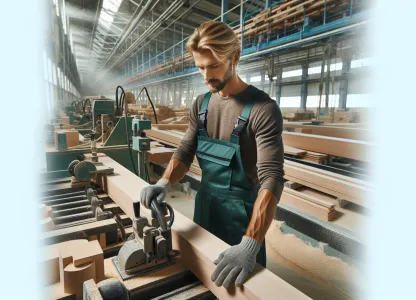
A sander in the wood sanding industry primarily works with processing wood surfaces to achieve the desired smoothness and surface quality for further refinement or finishing. The tasks often include handling sanding machines, inspecting materials, replacing sanding belts or sandpaper, and checking that the final result meets technical requirements. The work is performed both manually and with the help of machines, often in industrial environments where safety routines are important. The work environment can be noisy and dusty, which requires protective equipment and good occupational safety awareness.
Read more ->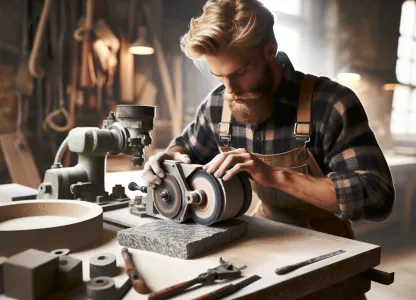
A Sliper in the stone industry is responsible for processing, grinding, and polishing various types of stone materials to the desired shape and surface quality. The work involves using specialized grinding machines, tools, and sometimes hand tools to achieve high precision in the final product. Slipers often work with natural stones such as granite, marble, or limestone and produce everything from countertops to facade tiles and art objects. The work environment is characterized by noise, dust, and heavy lifting, requiring the use of protective equipment and adherence to strict safety regulations. Collaboration with other trades within construction and industry is common, and the tasks may vary depending on the scope of the project and customer requirements.
Read more ->-

Opinion Landscape: Novus February 2026 – Social Democrats Still Largest
Thu, 19 Feb 2026 - 01:35 -

Policy rate remains at 1.75% – Riksbank signals stability
Thu, 29 Jan 2026 - 14:02

A grinder at a steelworks primarily works with processing and finishing metal components, mainly steel, to achieve the desired shape, surface quality, and dimensional accuracy. Tasks include grinding cast or rolled products, deburring, polishing, and inspecting surfaces to ensure they meet quality standards. Grinders use both handheld and stationary grinding machines, and the job requires great precision and a good understanding of material properties. The work environment is often noisy and dusty, with high demands for protective equipment and safety routines to minimize injury risks.
Read more ->
A grinder in the steel industry works with processing metallic surfaces to achieve the desired finish, tolerances, and quality. Tasks include grinding steel parts using various machines and hand tools, inspecting surface quality, and finishing before assembly or further production. The profession often involves working in an industrial environment with a strong focus on safety, requiring good knowledge of material properties, reading technical drawings, and machine techniques. Steel grinders work both independently and in teams, and the work environment can be noisy with heavy lifting and protective gear.
Read more ->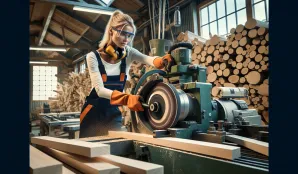
A joinery sander is responsible for processing wood surfaces to achieve a smooth and even finish, often as part of manufacturing furniture, interior details, or building components. Tasks include manual and machine sanding, handling various abrasive materials, and quality control of finished details. The work is usually carried out in a workshop environment where dust, noise, and repetitive motions are common. A high level of safety awareness and precision are crucial for both the quality of the final product and the work environment's standard.
Read more ->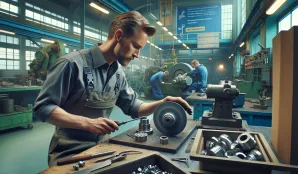
A metal grinder works with processing and refining metal surfaces to the desired shape and quality, often as part of the manufacturing process in industry. Tasks include grinding, polishing, and finishing metal components using both handheld and stationary machines. The grinder carefully checks surface finish and dimensional accuracy, sometimes with measuring instruments, to ensure that the final product meets high standards of precision and quality. The work environment is usually industrial, meaning work in workshops or factories where noise levels can be high and protective gear is often necessary to minimize risks during machine handling and exposure to metal shavings and dust.
Read more ->
A glass grinder in the industry is responsible for processing and refining glass products through grinding, polishing, and sometimes engraving. The tasks often involve handling both mechanical and manual tools to create smooth surfaces, facets, patterns, or specific shapes on glass items such as windows, mirrors, art objects, or laboratory equipment. The work environment is typically workshop-based, with a mix of monotonous and creative moments, where safety routines regarding glass dust and machinery must always be followed. It is common for glass grinders to work in small teams or independently, often in close collaboration with glass artists, craftsmen, or within industry settings.
Read more ->
A sludge vacuum operator primarily works with emptying and cleaning sewer pipes, grease separators, septic tanks, and other waste management systems. The tasks often involve driving and maneuvering specialized vehicles, handling hoses and pumps, and ensuring compliance with environmental and safety regulations. The work is largely performed outdoors, sometimes under difficult weather conditions and in locations with limited access. The work environment can be physically demanding, requiring high precision, responsibility, and the ability to work independently.
Read more ->
A slaughterhouse worker is responsible for leading and supervising the slaughter process within the food industry. Tasks include handling live animals before slaughter, quality control of meat products, and ensuring compliance with hygiene and safety regulations. It is common for a slaughterhouse worker to also have personnel responsibilities, plan workflows, and train new staff in proper handling and equipment use. The work environment is physically demanding, involves working in cold facilities, and operates at a high pace to ensure efficient production and delivery to customers.
Read more ->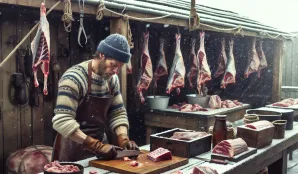
Slaughterhouse workers mainly work in the food industry, slaughtering, cutting, and handling meat from various animals. Tasks include everything from receiving live animals, stunning and euthanasia, to coarse cutting, trimming, and packaging meat products. The work is often carried out in larger slaughterhouses where modern machines and conveyor belts are used to streamline the process, but manual tasks are also common. The work environment is physically demanding, often cold and humid, requiring precision and good hygiene. Slaughterhouse workers must follow strict safety procedures and hygiene standards to ensure safety for themselves and consumers.
Read more ->