News and articles
- Home
- Articles






Latest posts

A sandwich preparer is responsible for preparing, cooking, and presenting sandwiches, open-faced sandwiches, and simple cold dishes in various service environments. The work is often carried out in cafes, restaurants, catering services, and large kitchens where the pace can be high, especially during rush hours. The sandwich preparer works both independently and in teams to keep work surfaces clean, follow hygiene routines, and ensure that orders are delivered quickly and accurately. The work environment is characterized by standing work, contact with guests and colleagues, and demands good organizational skills and attention to detail.
Read more ->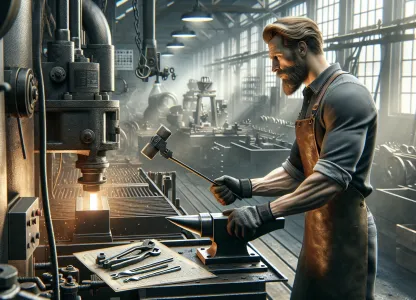
A blacksmith operator mainly works with processing and shaping metal products using various forging techniques. The tasks typically include supervising and controlling forging machines, selecting the right tools, inspecting materials, and assessing the quality of finished products. The role also involves interpreting drawings, performing basic machine maintenance, and maintaining safety routines. The work environment is often industrial, with high noise levels, heat, and heavy lifting. Personal protective equipment is regularly used to minimize risks, and the job often requires good physical condition and precision.
Read more ->-

Opinion Landscape: Novus February 2026 – Social Democrats Still Largest
Thu, 19 Feb 2026 - 01:35 -

Policy rate remains at 1.75% – Riksbank signals stability
Thu, 29 Jan 2026 - 14:02

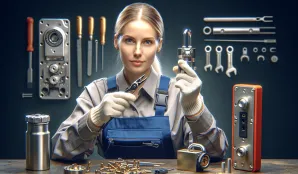
A locksmith within locks works with installing, maintaining, and repairing lock and security systems in various types of properties, vehicles, and sometimes industrial environments. The work ranges from traditional mechanical locks to more advanced electronic and digital lock systems. Many assignments are performed on-site at the customer's location, which means a varied work environment and interactions with both private individuals and companies. The profession requires high precision, accuracy, and a good understanding of security aspects and customer needs. Working hours may sometimes include on-call duties for urgent lock issues, requiring flexibility.
Read more ->
A pain nurse works specifically in assessment, treatment, and follow-up of patients with acute or chronic pain conditions. Tasks include developing individual care plans in collaboration with doctors and other professionals, administering medications, leading pain teams, and providing support to patients and relatives. The pain nurse often educates both healthcare staff and patients about pain management and various treatment options. The work is mainly performed in hospitals, specialist clinics, or pain centers, characterized by high complexity, close collaboration in multidisciplinary teams, and a great need for empathy and communication skills.
Read more ->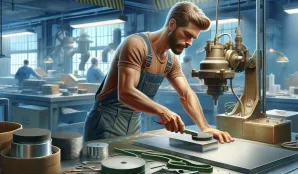
A sanding cloth worker primarily works with grinding and surface treatment of materials, often within industrial production where precision and accuracy are crucial. Tasks include handling and using sanding cloth to grind, polish, and prepare surfaces of components made of metal, wood, or other materials. The work typically takes place in a workshop environment or large industrial facilities where both manual and machine-assisted methods are used. The work environment can be noisy and dusty, requiring the use of protective equipment and good knowledge of safety regulations. Precision, patience, and good physical condition are important qualities for success and job satisfaction in this profession.
Read more ->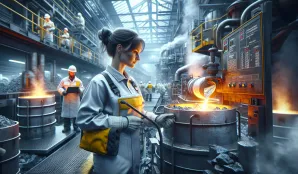
A smelter refiner mainly works with monitoring and controlling processes where metals are melted, refined, and processed to desired quality. Tasks include inspecting smelting furnaces, adding various substances to achieve the correct alloy, and carefully monitoring temperatures and chemical processes. The profession requires the ability to interpret measurement data, quickly identify deviations, and make adjustments to ensure both product quality and safety. The work environment is often industrial and requires the use of protective gear, as work is conducted near high temperatures and heavy machinery. Shift work is common, which means workdays can vary and sometimes be scheduled for evenings, nights, and weekends.
Read more ->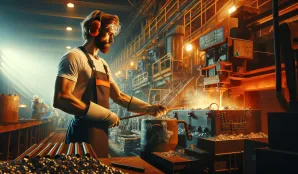
A smelter in a steel plant is responsible for monitoring and controlling the processes related to metal melting, primarily steel, on an industrial scale. Tasks include managing high-temperature furnaces, adding alloying elements, checking chemical compositions, and ensuring the final product meets quality standards. The work often involves shift work and close collaboration with colleagues in production, maintenance, and quality assurance. The working environment is challenging with high temperatures, noise, and safety requirements, making the use of protective equipment a routine part of the job.
Read more ->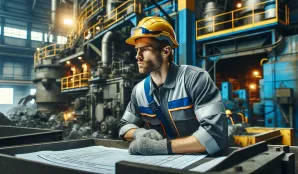
A smelter, process operator in metal production is responsible for monitoring and controlling processes where metals are melted and processed into various products. The work involves handling advanced equipment, monitoring temperatures, flows, and chemical processes, and ensuring that production runs efficiently and safely. The work environment can be physically demanding and warm, as work often takes place near furnaces and smelters. Safety is of utmost importance, requiring precision, technical knowledge, and the ability to quickly handle deviations in production.
Read more ->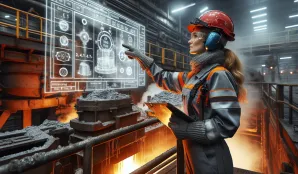
A smelter in a kaldo furnace primarily works with monitoring and controlling melting processes within the metal industry, where raw iron is refined into steel through advanced chemical and physical processes. Tasks include inspecting furnaces and process parameters, supervising raw material flows, and ensuring the quality of the molten metal. The smelter is responsible for following safety procedures and documenting production data meticulously. The work environment is often demanding, with high temperatures, noise, and heavy equipment, requiring high safety awareness and attention. Shift work is common in the profession, especially since production often runs around the clock.
Read more ->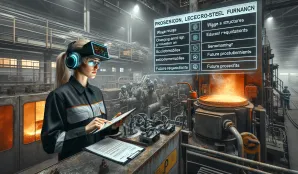
A smelter in an electric arc furnace is responsible for monitoring and controlling the metal melting process, primarily steel, in large industrial furnaces. The work involves handling advanced equipment, monitoring temperatures, adding alloying elements, and ensuring that the melting process meets quality standards. The work environment is characterized by high temperatures, noise, and proximity to heavy industrial equipment, which requires protective gear and safety routines. The smelter often works in shifts and collaborates closely with other technicians and process operators to ensure efficient and safe production.
Read more ->