News and articles
- Home
- Articles






Latest posts

A stationary security guard primarily works to maintain safety and order within a specific area, such as in a building, at a company, or in public environments. Tasks may include monitoring entrances and exits, patrolling premises, handling alarms, and intervening in incidents or suspected criminal activity. Stationary security guards often collaborate with technical security systems and communicate with colleagues and the public. The work is usually indoors but can also involve outdoor patrols, sometimes during inconvenient hours and on weekends or nights.
Read more ->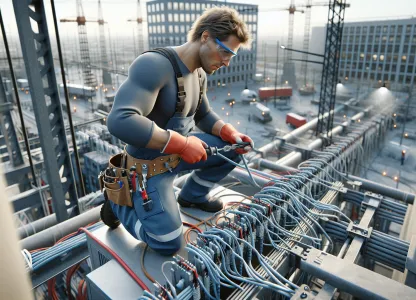
High-voltage electricians are responsible for installing, maintaining, and troubleshooting electrical systems where higher voltage levels are present. Tasks include running and connecting electrical cables in new constructions, modernizing, and repairing existing power networks within industry and public environments. The work is often performed on construction sites, in factories, or at customer locations, involving both indoor and outdoor work. Safety standards are high, and the work requires precision, technical understanding, and the ability to follow detailed instructions. The work environment can vary and sometimes be physically demanding, especially when working at heights or in confined spaces.
Read more ->-

Opinion poll: Indicator February 2026 – Social Democrats lead
Thu, 26 Feb 2026 - 19:35 -

Policy rate remains at 1.75% – Riksbank signals stability
Thu, 29 Jan 2026 - 14:02

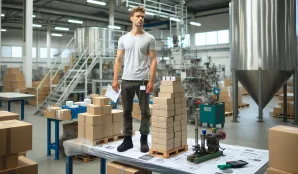
A pallet assembler primarily works in industrial manufacturing and production, often as part of the group of packers and other factory workers. The tasks consist of manually stacking, packing, and organizing goods or products on pallets or in warehouses for transport or further processing. The work can involve physically demanding tasks and repetitive motions, where accuracy and efficiency are crucial. The environment is typically factory or warehouse-based, with shift work and requirements to follow safety routines.
Read more ->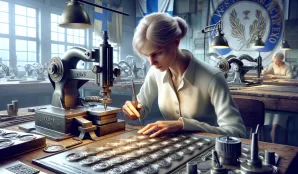
A stamping engraver works with creating and processing stamps and engravings in various materials, typically metal. These stamps are often used to emboss patterns, texts, or images on coins, medals, jewelry, and different industrial products. The tasks include both hand engraving with traditional tools and machine use, requiring great precision, patience, and an artistic eye. The work usually takes place in smaller workshops or specialized studios where lighting and ergonomics are important factors to maintain quality and prevent strain injuries.
Read more ->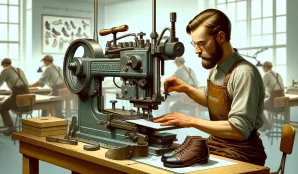
A puncher in the shoe industry works with processing and shaping materials, primarily leather and textiles, into components used in shoe manufacturing. Tasks include operating various types of punching machines to cut out parts such as soles, uppers, and reinforcements with high precision. The work requires accuracy and attention to detail, as small errors can affect the entire production chain. The work environment is usually workshop-based, with noise and the need for protective gear. The puncher often collaborates with other production staff and contributes to an efficient workflow throughout the manufacturing process.
Read more ->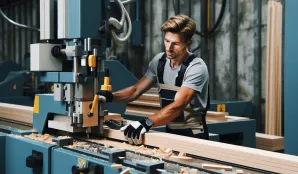
A Stansare in skiktträ works with shaping and processing wood products using specialized machines and tools for stamping. Tasks include carefully following drawings and work descriptions, monitoring machine operation, performing quality control, and maintaining equipment. The working environment is often characterized by noise and dust, and work is typically carried out in production halls where protective gear is required. Precision, technical understanding, and the ability to work independently and in teams are central qualities for the profession.
Read more ->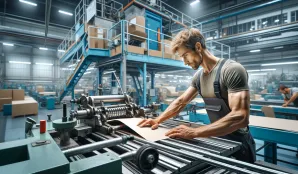
A die cutter in the paper product industry primarily works with processing and shaping paper and cardboard into finished products using various machines and stamping tools. The main tasks include setting up, monitoring, and maintaining machines that stamp, press, or cut paper into specific shapes and sizes according to product specifications. The work often takes place on production lines where high speed and precision are crucial. The work environment is characterized by noise, machine operation, and safety requirements. Attention to detail, technical interest, and the ability to identify deviations in production are essential qualities for success and satisfaction in the role.
Read more ->
A puncher in data registration is responsible for quickly and accurately inputting, processing, and verifying large amounts of data in various administrative systems. Tasks often include registering invoices, customer information, statistics, or other data requiring high precision. The environment is typically office-based, and the pace can be high, especially near deadlines or during large workflows. The work can be carried out in both private and public sectors, with digital tools being a central part of daily routines. Strong concentration, the ability to handle monotonous tasks, and a basic understanding of IT systems are required.
Read more ->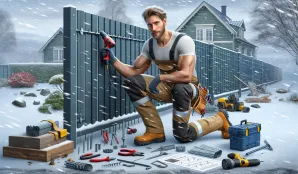
A fencing installer is responsible for assembling, repairing, and maintaining various types of fences and enclosures, often at construction sites, industrial yards, sports facilities, and private properties. The work includes site preparation, measurement and marking, as well as installing fences, gates, and related components. The work environment is mainly outdoors and can involve heavy lifting, working with machinery and tools, and exposure to changing weather conditions. Safety is a key aspect, as work often takes place near vehicle traffic and construction activities.
Read more ->
A standardization engineer in technology works on developing, implementing, and maintaining standards across various technical fields. The work often involves analyzing and interpreting national and international standards, participating in technical committees, and coordinating the company's or organization's standardization efforts. Tasks may also include evaluating products and processes against applicable norms, writing reports, and training colleagues in standardization matters. The work environment is generally office-based, with meetings, cross-departmental collaboration, and sometimes international travel or digital cooperation.
Read more ->