News and articles
- Home
- Articles






Latest posts
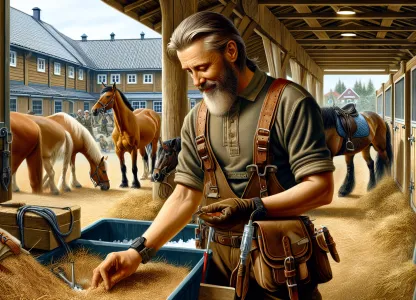
An equine caretaker primarily works with maintaining and caring for stable environments, including daily supervision of animals, feeding, mucking out, cleaning stalls and spaces, and some equipment repairs. The profession often involves close contact with horses or other stable-bound animals and requires good physical fitness, as the work is physically demanding and performed both indoors and outdoors under varying weather conditions. The work environment is characterized by early mornings, weekend work, and sometimes long shifts, focusing on animal welfare and stable functionality. Collaboration with colleagues and communication with animal owners or visitors are common parts of the workday.
Read more ->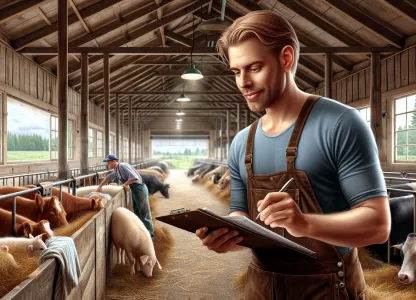
A stable supervisor is responsible for the daily operation of stables and equine facilities, with tasks ranging from feed planning and animal health to staff scheduling and contact with suppliers. The role often involves close collaboration with horse owners, veterinarians, and other agricultural professionals. The work environment is physically demanding and outdoor-based, where the workday can include mucking out, animal supervision, machinery handling, and basic maintenance. Flexibility is often required, as work needs to be adapted to the animals' needs and routines, which may involve early mornings, weekend work, and on-call duties.
Read more ->-

Opinion poll: Indicator February 2026 – Social Democrats lead
Thu, 26 Feb 2026 - 19:35 -

Policy rate remains at 1.75% – Riksbank signals stability
Thu, 29 Jan 2026 - 14:02

A Stable Manager is responsible for leading and organizing the daily operations at a horse farm or stable. Tasks include planning and assigning work to stable staff, overseeing the well-being of the horses, and ensuring routines for feeding, care, and maintenance of the facility are followed. The role also requires ensuring a safe work environment for both people and animals, and compliance with laws and regulations related to animal husbandry. Stable Managers often work in physically demanding outdoor environments, which may involve early mornings, weekends, and evenings. Contact with horse owners, suppliers, and sometimes clients is a natural part of the profession.
Read more ->
A roller stander in a rolling mill is responsible for preparing, setting up, and monitoring the machines used to process metal through rolling. Tasks include inspecting and adjusting machinery, replacing rollers, and ensuring production meets quality standards and safety regulations. The role requires precision and technical interest, as the stander must oversee machine operation and quickly address any deviations or stoppages. The work environment is often fast-paced, noisy, and physically demanding, with safety routines central to preventing accidents.
Read more ->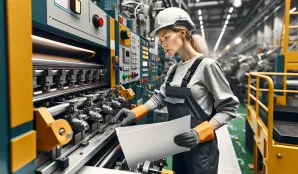
An operator in the paper product industry is responsible for setting, monitoring, and adjusting production machines that manufacture various paper products. Tasks include preparing machines for production, changing tools and equipment, and handling minor repairs or troubleshooting. Precision and technical interest are crucial, as accurate settings are needed to ensure consistent quality and minimal material waste. The working environment is often close to production, involving shift work and working in noisy, fast-paced environments. Safety routines are essential to prevent accidents and create a safe workplace.
Read more ->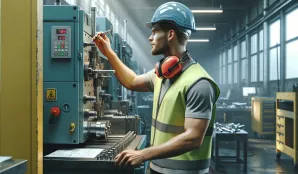
A metal setter is responsible for preparing, setting up, and adjusting machines used in metal processing and manufacturing. Tasks include changing tools, calibrating machines, and ensuring that production meets specified quality and efficiency standards. The work is often performed in workshop environments or large industrial facilities where handling heavy machinery and materials is common. The work environment is characterized by high safety awareness, noise, and sometimes shift work, requiring both technical skills and precision.
Read more ->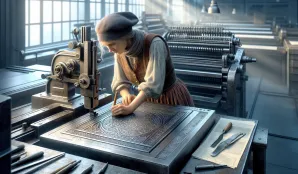
A steel engraver in printing media works with creating and refining steel printing plates used in various printing processes, for example for banknotes, stamps, art graphics, or security documents. Tasks include both traditional craftsmanship and modern techniques, where precision and detail are crucial. The engraver uses tools and machines to etch, engrave, and process surfaces, often based on digital originals or artistic templates. The work is typically carried out in specially equipped workshops with high demands on accuracy, workplace safety, and quality, and collaboration with other professionals in print production is often close.
Read more ->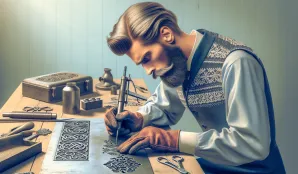
A steel engraver specializing in signs works with engraving texts, symbols, and patterns on metal signs and other products, primarily in steel. This can include nameplates, machine signs, control panels, or decorative details. The work often involves handling advanced engraving machines and sometimes performing manual engraving for more detailed or custom orders. Steel engravers typically work in a workshop environment that combines craftsmanship and machine-based production, requiring precision, patience, and good hand-eye coordination.
Read more ->
A Städ technician works with advanced cleaning and maintenance of various types of premises, such as offices, industries, hospitals, and public environments. Tasks can include floor care, window cleaning, sanitation, and handling of specialized equipment and environmentally friendly chemicals. The Städ technician is often responsible for quality control, documentation of completed tasks, and may also act as a supervisor for colleagues. The work environment is varied and may involve both solitary work and teamwork. Physical activity and flexibility are required, as work often occurs at inconvenient times and in different environments.
Read more ->
A municipal veterinarian is responsible for animal welfare, disease control, and food safety within a municipality or region. Tasks include inspecting animal husbandry on farms and in zoos, advising on animal welfare issues, and managing animal pathogens. The veterinarian often collaborates with authorities and other experts to ensure compliance with laws and regulations. The work may involve both field visits and administrative tasks, as well as urgent responses during outbreaks of infectious diseases among animals. The work environment is varied and can involve outdoor work in different weather conditions, as well as office work and meetings with other societal actors.
Read more ->