News and articles
- Home
- Articles






Latest posts

A statistics assistant primarily works with collecting, processing, and analyzing data to support decision-making within organizations and authorities. Common tasks include preparing and compiling statistical data, managing databases, performing basic analyses, and presenting results in reports. Statistics assistants are often found in the public sector, research institutes, and larger companies where data-driven operations are central. The work environment is generally office-based and characterized by a structured approach, often in close collaboration with statisticians, analysts, and other specialists.
Read more ->
A Statist participates in film, TV, commercials, or other media productions without having a leading role or lines. Tasks vary depending on the production's nature and can include anything from acting as background crowd members to portraying specific types in different environments. The work environment is often changing and may involve long days on set, both indoors and outdoors. Flexibility and adaptability are important qualities, as working hours and locations often vary significantly between assignments.
Read more ->-

Opinion poll: Indicator February 2026 – Social Democrats lead
Thu, 26 Feb 2026 - 19:35 -

Policy rate remains at 1.75% – Riksbank signals stability
Thu, 29 Jan 2026 - 14:02


A station host in commuter trains and subways is responsible for creating a safe and smooth experience for travelers at stations and platforms. Tasks include providing service and information to travelers, monitoring the station environment, reporting incidents and safety issues, and sometimes assisting with ticket inspections or helping during traffic disruptions. The work environment is often dynamic and can be stressful during rush hours, especially when many people are present at the stations. Station hosts usually work in shifts, which means early mornings, late evenings, weekends, and sometimes nights.
Read more ->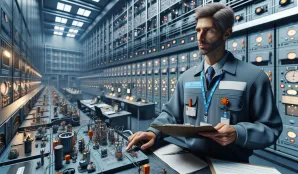
A station technician in a nuclear power plant plays a central role in ensuring that the plant's technical systems operate optimally and safely. Tasks include monitoring, troubleshooting, and maintaining mechanical and electrical installations, control systems, and process equipment. The daily work often involves shift work and requires meticulous documentation, as high safety standards and clear routines are crucial in the nuclear industry. The work environment is characterized by strict safety culture, use of protective equipment, and collaboration with other technicians, engineers, and operational staff.
Read more ->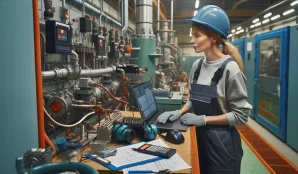
A power substation technician is responsible for operation, maintenance, and modernization of electrical facilities, mainly in transformer and distribution stations. Tasks include troubleshooting, repairing, and preventive maintenance of electrical equipment and control systems, as well as installing new components. The work is often performed in teams and can involve both planned interventions and emergency calls. The working environment is varied and may include outdoor work in changing weather conditions, working at heights, and environments with high safety standards.
Read more ->
A station technician in operations technology mainly works with installation, maintenance, and repair of technical equipment at heat and water plants and similar facilities. Tasks often include assembly of electrical and control systems, troubleshooting, start-up, and monitoring of station functions. The work takes place both indoors and outdoors, and sometimes involves working at heights or in confined spaces. Station technicians often collaborate with other technicians and engineers, following strict safety regulations to ensure operational reliability and a safe work environment.
Read more ->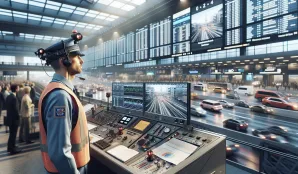
A station manager within road traffic is responsible for leading, planning, and coordinating activities at road traffic stations. The work includes monitoring daily routines, personnel management, customer contact, and ensuring compliance with laws and regulations within the transport sector. The station manager often handles administrative tasks, scheduling, and quality control, acting as a link between management, authorities, and staff. The work environment is dynamic and can alternate between office work and presence on-site, where quick decisions and good communication are essential.
Read more ->
A station manager in the railway industry is responsible for the daily operations and safety at a train station. Tasks include personnel management, coordination of traffic flows, handling customer inquiries, and monitoring technical station systems. The role involves ensuring train departures and arrivals occur according to schedule and that disruptions are managed quickly and efficiently. The work environment is often dynamic and can be both office-based and operational on the station grounds, requiring good communication skills and resilience under stress.
Read more ->
A station agent is responsible for providing service and support to travelers at train stations, as well as handling various administrative and practical tasks related to train traffic. Job duties often include ticket sales, passenger information, security checks, and communication with train staff. The work requires good customer service, stress resilience, and precision, especially when managing timetables and deviations. Station agents typically work in shifts, including early mornings, late evenings, and weekends, and the work environment is characterized by high pace and direct contact with people.
Read more ->
A station assistant in aviation works to ensure smooth flows for travelers and baggage at airports. Tasks include check-in of passengers, baggage handling, ticket sales, customer service at information desks, and coordination of various ground processes related to air traffic. The role involves close cooperation with colleagues as well as pilots, cabin crew, and security personnel. Station assistants often work in shifts, including early mornings, late evenings, and weekends. The work environment is dynamic and requires high stress tolerance, as the pace can be high during busy departure and arrival periods.
Read more ->