News and articles
- Home
- Articles






Latest posts

A Nordic walking instructor leads and instructs groups or individuals in Nordic walking, a form of exercise that combines walking with the use of special poles to activate the upper body. Tasks include planning training sessions, introducing technique, and adapting exercises according to participants' levels and physical conditions. The instructor also offers advice on training, health, and safety, and motivates participants to engage in regular physical activity. The work environment is almost exclusively outdoors, often in parks, on exercise trails, or in nature reserves, which means weather conditions can influence the nature of the work and the working climate.
Read more ->
Political scientists analyze political systems, study societal development, and interpret legislative processes. The work often involves qualified monitoring of external developments, report writing, and investigations for authorities, organizations, or companies. Many political scientists are also involved in research or education, contributing expertise on democracy, international relations, and administration. The work environment is mainly office-based and characterized by analytical tasks, project collaboration, and extensive information management.
Read more ->-

Opinion poll: Indicator February 2026 – Social Democrats lead
Thu, 26 Feb 2026 - 19:35 -

Policy rate remains at 1.75% – Riksbank signals stability
Thu, 29 Jan 2026 - 14:02


A State Secretary is the highest-ranking politically appointed official under the minister in a department and functions as the closest advisor and head of the department's secretariat. The tasks include leading and coordinating the department's work, preparing and implementing political decisions, and ensuring the government’s policies are carried out efficiently. The role involves close collaboration with ministers, other State Secretaries, and senior civil servants. The work is usually office-based with a high pace, heavy workload, and demands for availability outside normal working hours.
Read more ->
Ministers play a central role in Sweden's political leadership and, together with the Prime Minister, form the government. Their work includes managing one or more departments, making political decisions, driving legislative work, and representing Sweden nationally and internationally. Ministers lead and coordinate their areas of responsibility, participate in government meetings, and answer questions in the parliament. The work environment is very demanding with a high pace, long working hours, and high demands on availability, as decisions often must be made quickly and under pressure. Office work is combined with travel, meetings, and public appearances, which requires flexibility and stress resilience.
Read more ->
A statsinspektör primarily works with reviewing, evaluating, and following up on activities within the public sector. Tasks often include analyzing compliance of authorities or municipalities with laws and regulations, collecting and processing data, and reporting results to decision-makers. The work is often project-based, involving collaboration with other investigators, lawyers, or specialists. The work environment is typically office-based, and the role requires accuracy, analytical skills, and good communication skills, as the results can significantly impact the development and governance of organizations.
Read more ->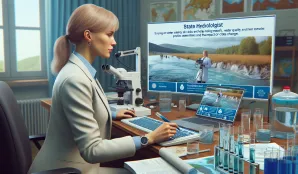
A state hydrologist studies, analyzes, and monitors the water cycle in nature, with a particular focus on water flows in lakes, watercourses, and land. The role often includes collecting and interpreting hydrological data, modeling water flows, and assessing flood risks and water quality. State hydrologists work closely with other experts in environment, climate, and urban planning, and their analyses often serve as decision-making support for authorities, municipalities, and companies. The work environment is diverse and can include both fieldwork, where data is collected at water bodies and lakes, and office work with advanced computer modeling tools.
Read more ->
A Statsheraldiker is responsible for reviewing, designing, and establishing official symbols such as national coats of arms, flags, and other heraldic emblems for the state, municipalities, and organizations. The work involves close contact with authorities, the royal family, and sometimes international institutions regarding heraldic and symbol-related issues. The work environment is usually office-based, involving both independent analytical work and collaboration, especially in projects where new coats of arms or emblems are created or old ones reinterpreted. Precision, aesthetic sense, and deep knowledge of heraldry and history are central elements in daily work.
Read more ->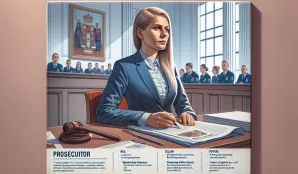
A public prosecutor plays a central role in the Swedish justice system and is responsible for leading investigations, bringing charges, and representing the state in court in criminal cases. The work often involves close collaboration with police, courts, and other law enforcement agencies. Prosecutors assess evidence, make decisions on measures during investigations, and have an important task in ensuring the rule of law is upheld. The work environment is often office-based, but can be intense and occasionally stressful, especially in major or complex cases.
Read more ->
A Statistikkontorist primarily works with collecting, processing, and reporting statistics across various organizations, often in government agencies, municipalities, or larger companies. Tasks include managing databases, verifying data quality, and preparing reports and analysis materials. The role requires accuracy, analytical skills, and good computer proficiency, especially in programs like Excel and statistical software. The work environment is generally office-based, with clear routines and collaboration with colleagues in administration and finance.
Read more ->
A Statistician works with collecting, analyzing, and interpreting data to support decision-making across various fields such as research, societal planning, industry, and government agencies. Tasks may include developing statistical models, conducting surveys, processing large datasets, and presenting results clearly. The work is often project-based and involves close collaboration with other specialists, such as economists, researchers, or analysts. The work environment is typically office-based, focused on analytical work at a computer, but can also involve meetings and presentations for clients or stakeholders.
Read more ->