News and articles
- Home
- Articles






Latest posts
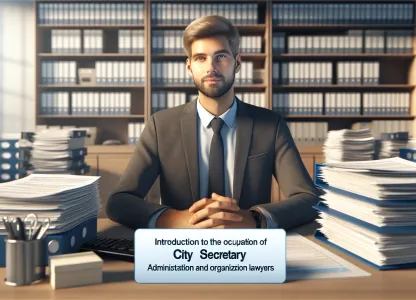
A City Secretary is responsible for assisting the political leadership within a municipality or city with qualified legal and administrative services. The tasks often include preparing cases for political decisions, developing decision bases, recording minutes at meetings, and coordinating and following up on political decisions and projects. The role involves close cooperation with both politicians and civil servants and requires high integrity, discretion, and the ability to handle complex issues. The work mainly takes place in an office setting and is characterized by a fast pace and varied tasks, where quick adjustments and prioritizations are common.
Read more ->
A City Auditor is responsible for examining and evaluating how the city's resources are used and whether operations comply with laws, regulations, and set goals. Tasks include auditing the municipality's finances, internal controls, and operational management, as well as assessing how efficiently and appropriately various committees and companies operate. City Auditors often work in teams and maintain close contact with politicians and officials. The work environment is mainly office-based and characterized by periods of high workload, especially during annual reports and major audits.
Read more ->-

Opinion poll: Indicator February 2026 – Social Democrats lead
Thu, 26 Feb 2026 - 19:35 -

Policy rate remains at 1.75% – Riksbank signals stability
Thu, 29 Jan 2026 - 14:02


Urban planners are responsible for designing and developing city environments to be functional, attractive, and sustainable for residents and businesses. Tasks include planning residential areas, infrastructure, green spaces, and public places, often in close collaboration with architects, engineers, and politicians. The profession involves analyzing population growth, environmental aspects, and traffic flows to create long-term solutions. The work mainly takes place in offices but can also include site visits, public meetings, and presentations to decision-makers. The work environment is characterized by project-based work, where both independence and teamwork are central elements.
Read more ->
A City Planning Engineer works on planning and developing urban environments, residential areas, and infrastructure. Tasks include creating detailed plans, analyzing land use, coordinating projects among different stakeholders, and ensuring compliance with laws and guidelines. The role often involves collaboration with architects, technical consultants, and authorities. The work environment is mainly office-based but also includes site visits, meetings with residents, and presentations in public settings.
Read more ->
An urban planner architect works on designing and developing city environments, residential areas, and public spaces. The role involves analyzing, planning, and shaping how land and water areas are used to create sustainable and attractive communities. Typical tasks include preparing detailed plans, coordinating project teams, engaging with authorities and citizens, and working with digital tools for visualization and analysis. The work is often team-based and conducted in offices, but site visits and consultation meetings are also common. The work environment emphasizes collaboration, creative processes, and balancing aesthetic, functional, and environmental requirements.
Read more ->
A City Ombudsman primarily works to ensure legal security and advocate citizens' interests against municipal and regional authorities. The role involves investigating complaints, engaging in dialogue with various societal actors, and proposing improvements in administrative routines and processes. The work environment often includes complex cases requiring careful analysis, legal assessment, and high integrity. City Ombudsmen are usually based in office settings, but the role can also involve participating in public meetings and meetings with citizens or decision-makers.
Read more ->
A stadsnotarie works within public administration and is responsible for handling and documenting legal cases, protocols, and decisions within municipal or regional bodies. The role often involves preparing and reviewing decision materials, recording minutes at committee meetings, and ensuring that the municipality's or region's legal processes comply with applicable legislation. The work is mainly performed in an office setting with regular contact with politicians, officials, and sometimes the public. Precision, integrity, and the ability to handle complex cases are central qualities in the role of stadsnotarie.
Read more ->
A city treasurer is responsible for the financial management of the municipality or city, focusing on ensuring accurate budgeting, reporting, and financial follow-up. Tasks include preparing budget proposals, analyzing financial reports, handling closing processes, and participating in long-term financial planning. The role also involves collaboration with politicians, department heads, and external parties to provide financial data for decision-making. The work is primarily office-based and requires analytical skills and good communication abilities, as the city treasurer often acts as an advisor on financial matters within the organization.
Read more ->
A city lawyer mainly works with legal advice and legal assessments within municipal administration. The role includes reviewing and drafting contracts, providing legal opinions before decision-making, and representing the municipality in court and administrative cases. It often involves interpreting laws and regulations within public law, such as the Administrative Procedure Act, the Local Government Act, and the principle of public access to documents. The work environment is typically office-based, with meetings and negotiations, and the pace can be high, especially in larger municipalities or during legislative changes affecting operations.
Read more ->
A city engineer is responsible for planning, development, and management of the physical environment within a city or municipality. Main tasks include technical project management, investigation of land and water issues, coordination of construction projects, and creation of mapping and GIS data. The work is often carried out in close collaboration with other engineers, urban planners, architects, and authorities. The work environment is varied; some tasks are performed at an office, while inspections and site visits at construction sites and in the field are common. City engineers are expected to have a good understanding of laws and regulations related to construction and the environment, as well as strong communication skills when engaging with residents and stakeholders.
Read more ->