- Salary statistics
- Support technician, control system salary
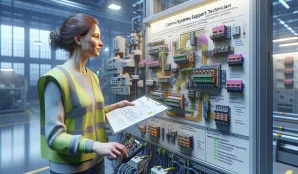
Support technician, control system salary
Latest available salary statistics are for 2025. Compare average pay, salary range and related job listings.
39 600 - 61 900 SEK / month
Women earn 94% of what men do.
Tekniskt arbete
Related tools
Salary progression Support technician, control system
What does a support technician within control systems do? – Tasks and work environment
A support technician within control systems works with troubleshooting, maintenance, and optimization of technical control systems used in industry, building automation, and other technical environments. Tasks often include hardware and software installation, user and customer support, and documentation of technical processes and solutions. Many workplaces are production facilities, offices, or technical rooms requiring high technical competence and precision. The work may involve both daytime hours and on-call duties, especially when dealing with critical facilities where downtime must be addressed quickly.
Salary development over time
Over the past three years, salary development for support technicians within control systems has been stable, with a clear increase between 2022 and 2023. In 2022, the average salary was 46,600 SEK per month, increasing to 51 000 SEK in 2023, and has since remained at the same level in 2024. This corresponds to a salary increase of approximately 4.7% between 2022 and 2023. The development can be linked to increased demand for technical skills in automation and control systems, but the stability over the last two years indicates that the market has now reached equilibrium where supply and demand are balanced. Salary increases have been particularly noticeable for individuals with specialist skills and experience, while entry-level salaries have seen somewhat slower growth.
Support technician, control system salary – comprehensive overview
- Average salary: 51 000 SEK/month
- Lowest salary: 38,900 SEK/month (men, public sector, pre-high school education); 41,600 SEK/month (women)
- Highest salary: 66,400 SEK/month (men, private sector, doctoral degree); 49,300 SEK/month (women)
- Hourly wage: 293 SEK (based on 166 working hours/month)
- Gender differences: Men 51 500 SEK, women 48 400 SEK (women earn 94% of men's salary)
- Regional differences: Data varies, but higher salaries are often found in metropolitan regions and within the private sector
Education and qualifications
To work as a support technician within control systems, a technical education at high school or post-secondary level is generally required, often with a focus on automation, electronics, or mechatronics. Many employers also seek practical experience with control systems, programming, and troubleshooting, as well as good communication skills with users and colleagues. Certifications in specific control systems, such as Siemens or Schneider, can be advantageous and improve job prospects.
- High school: Electrical and energy program, automation specialization (3 years)
- Vocational college: Technical education in automation, control, and regulation technology (2 years)
- Certifications: System- or brand-specific certificates (e.g., Siemens S7, ABB)
- Internships/trainee programs: Practical training during education or trainee programs at larger companies
- Online courses: Opportunities for self-study and distance learning in programming and troubleshooting
Many support technicians within control systems quickly gain experience working in cross-functional teams where technical competence is combined with problem-solving skills and customer contact. This makes the profession particularly dynamic and offers good opportunities to broaden one's skills.
Common benefits and compensations
Support technicians within control systems are often offered benefits such as occupational pension, wellness allowances, and opportunities for further education. Extra compensation for on-call duties and unsocial hours are common, especially in larger tech companies and within industry. Employers may also offer bonus programs, insurance, and options for remote work depending on company policy.
Competition and challenges
The competition for jobs as support technicians within control systems is relatively low, as demand for technical skills in automation and control systems is high. At the same time, challenges include rapid technological changes and the need for continuous skills development. Many leave the profession for other roles, which creates a paradoxical recruitment situation: there is both a pool of candidates and recruitment difficulties. The work environment can be stressful during downtime or urgent faults, requiring the ability to handle stress and communicate effectively with both technical and non-technical personnel.
Tips for those who want to become support technicians within control systems
To succeed as a support technician within control systems, it is good to have an analytical mindset and enjoy problem-solving in technical environments. Being meticulous makes it easier to quickly identify fault sources and document actions correctly. Good collaboration skills are important since the work often takes place in teams with technicians and end-users, and flexibility is required to handle urgent situations or schedule changes. Technical interest and a desire to constantly learn new things are crucial, as control systems and software develop rapidly. For those who are communicative and pedagogical, there are additional opportunities to take responsibility for user training or act as a link between technology and operations. Finally, initiative makes it easier to take on new challenges and contribute to improvements in processes and technical environments.
Key facts about support technicians within control systems
- Salary range: 38,900–66,400 SEK/month
- Average salary: 51 000 SEK/month
- Education level: High school or vocational education with a technical focus
- Work environment: Technology-intensive and often mission-critical
- Demand: Great opportunities nationwide (564 job openings in the profession)
Career paths and future prospects
After three to five years as a support technician within control systems, there are opportunities to advance to roles such as systems engineer, automation specialist, or technical project manager. Experience with specific control systems and programming languages can open doors to consultancy roles or specialist positions within larger industrial companies. The Employment Service’s forecasts for engineers and technicians in electrical engineering indicate continued high demand and unchanged future prospects over the next five years. The recruitment situation is characterized by difficulties in finding the right competence, which favors those willing to further their education and stay updated on new technology. Many also choose to broaden their skills into related areas such as IT security or building automation.
Frequently asked questions about support technicians within control systems
- What does a support technician within control systems earn?
- The average salary is 51 000 SEK/month, but it varies between 38,900 and 66,400 SEK depending on experience, education, and sector. - What are the gender differences in salary?
- Men earn an average of 51 500 SEK, women 48 400 SEK, which means women earn 94% of men's salaries. - What education is required to become a support technician within control systems?
- High school or vocational college with a technical focus, often supplemented with certifications and internships. - What are the future prospects?
- The demand for the profession is high, and the Employment Service assesses that job opportunities remain good over the next five years. - What work environments are common?
- Work often occurs in technology-intensive environments such as industry, property automation, and offices, sometimes with on-call duties. - Are there regional salary differences?
- Yes, higher salaries are more common in metropolitan regions and within the private sector. - What development opportunities are available?
- After a few years, one can advance to roles such as automation specialist, systems engineer, or technical project manager.

Salary distributed by age and sector
| Age | Base salary | Monthly salary | |
|---|---|---|---|
| 18-24 | 91% | 33500 kr | 34500 kr |
| 25-34 | 99% | 43400 kr | 44700 kr |
| 35-44 | 98% | 49900 kr | 51900 kr |
| 45-54 | 95% | 53800 kr | 55700 kr |
| 55-64 | 93% | 52200 kr | 54300 kr |
| 65-68 | 54800 kr | 56600 kr | |
| Snitt | 94% | 49200 kr | 51000 kr |
| Age | Base salary | Monthly salary | |
|---|---|---|---|
| 18-24 | 35900 kr | 35900 kr | |
| 25-34 | 99% | 38500 kr | 39500 kr |
| 35-44 | 104% | 41500 kr | 42700 kr |
| 45-54 | 115% | 42100 kr | 43300 kr |
| 55-64 | 108% | 45300 kr | 46800 kr |
| 65-68 | 46200 kr | 46200 kr | |
| Snitt | 102% | 42100 kr | 43300 kr |
| Age | Base salary | Monthly salary | |
|---|---|---|---|
| 18-24 | 35900 kr | 35900 kr | |
| 25-34 | 99% | 38500 kr | 39500 kr |
| 35-44 | 104% | 41500 kr | 42700 kr |
| 45-54 | 115% | 42100 kr | 43300 kr |
| 55-64 | 108% | 45300 kr | 46800 kr |
| 65-68 | 46200 kr | 46200 kr | |
| Snitt | 102% | 42100 kr | 43300 kr |
| Age | Base salary | Monthly salary | |
|---|---|---|---|
| 18-24 | 90% | 33500 kr | 34500 kr |
| 25-34 | 99% | 43500 kr | 44800 kr |
| 35-44 | 98% | 50000 kr | 52000 kr |
| 45-54 | 95% | 54000 kr | 55900 kr |
| 55-64 | 93% | 52300 kr | 54500 kr |
| 65-68 | 54900 kr | 56700 kr | |
| Snitt | 94% | 49300 kr | 51200 kr |
| Age | Base salary | Monthly salary | |
|---|---|---|---|
| 18-24 | 90% | 33500 kr | 34500 kr |
| 25-34 | 99% | 43500 kr | 44800 kr |
| 35-44 | 98% | 50000 kr | 52000 kr |
| 45-54 | 95% | 54000 kr | 55900 kr |
| 55-64 | 93% | 52300 kr | 54500 kr |
| 65-68 | 54900 kr | 56700 kr | |
| Snitt | 94% | 49300 kr | 51200 kr |
| Age | Base salary | Monthly salary | |
|---|---|---|---|
| 18-24 | 91% | 34000 kr | 35200 kr |
| 25-34 | 99% | 43400 kr | 44900 kr |
| 35-44 | 98% | 49900 kr | 52100 kr |
| 45-54 | 95% | 54000 kr | 56000 kr |
| 55-64 | 93% | 52400 kr | 54800 kr |
| 65-68 | 55400 kr | 57300 kr | |
| Snitt | 94% | 49500 kr | 51500 kr |
| Age | Base salary | Monthly salary | |
|---|---|---|---|
| 18-24 | 34800 kr | 34800 kr | |
| 25-34 | 99% | 38500 kr | 39500 kr |
| 35-44 | 104% | 41000 kr | 42400 kr |
| 45-54 | 115% | 41500 kr | 42800 kr |
| 55-64 | 108% | 44900 kr | 46500 kr |
| 65-68 | 46200 kr | 46200 kr | |
| Snitt | 102% | 41900 kr | 43200 kr |
| Age | Base salary | Monthly salary | |
|---|---|---|---|
| 18-24 | 34800 kr | 34800 kr | |
| 25-34 | 99% | 38500 kr | 39500 kr |
| 35-44 | 104% | 41000 kr | 42400 kr |
| 45-54 | 115% | 41500 kr | 42800 kr |
| 55-64 | 108% | 44900 kr | 46500 kr |
| 65-68 | 46200 kr | 46200 kr | |
| Snitt | 102% | 41900 kr | 43200 kr |
| Age | Base salary | Monthly salary | |
|---|---|---|---|
| 18-24 | 90% | 34000 kr | 35200 kr |
| 25-34 | 99% | 43400 kr | 44900 kr |
| 35-44 | 98% | 50000 kr | 52100 kr |
| 45-54 | 95% | 54200 kr | 56300 kr |
| 55-64 | 93% | 52600 kr | 54900 kr |
| 65-68 | 55500 kr | 57400 kr | |
| Snitt | 94% | 49600 kr | 51600 kr |
| Age | Base salary | Monthly salary | |
|---|---|---|---|
| 18-24 | 90% | 34000 kr | 35200 kr |
| 25-34 | 99% | 43400 kr | 44900 kr |
| 35-44 | 98% | 50000 kr | 52100 kr |
| 45-54 | 95% | 54200 kr | 56300 kr |
| 55-64 | 93% | 52600 kr | 54900 kr |
| 65-68 | 55500 kr | 57400 kr | |
| Snitt | 94% | 49600 kr | 51600 kr |
| Age | Base salary | Monthly salary | |
|---|---|---|---|
| 18-24 | 91% | 31300 kr | 31900 kr |
| 25-34 | 99% | 43500 kr | 44300 kr |
| 35-44 | 98% | 50200 kr | 51200 kr |
| 45-54 | 95% | 52600 kr | 53400 kr |
| 55-64 | 93% | 50200 kr | 50800 kr |
| Snitt | 94% | 47600 kr | 48400 kr |
| Age | Base salary | Monthly salary | |
|---|---|---|---|
| 25-34 | 99% | 38700 kr | 39200 kr |
| 35-44 | 104% | 43500 kr | 44000 kr |
| 45-54 | 115% | 49000 kr | 49000 kr |
| 55-64 | 108% | 49700 kr | 50100 kr |
| Snitt | 102% | 43700 kr | 44100 kr |
| Age | Base salary | Monthly salary | |
|---|---|---|---|
| 25-34 | 99% | 38700 kr | 39200 kr |
| 35-44 | 104% | 43500 kr | 44000 kr |
| 45-54 | 115% | 49000 kr | 49000 kr |
| 55-64 | 108% | 49700 kr | 50100 kr |
| Snitt | 102% | 43700 kr | 44100 kr |
| Age | Base salary | Monthly salary | |
|---|---|---|---|
| 18-24 | 90% | 31200 kr | 31800 kr |
| 25-34 | 99% | 43600 kr | 44300 kr |
| 35-44 | 98% | 50200 kr | 51300 kr |
| 45-54 | 95% | 52700 kr | 53500 kr |
| 55-64 | 93% | 50200 kr | 50800 kr |
| Snitt | 94% | 47600 kr | 48500 kr |
| Age | Base salary | Monthly salary | |
|---|---|---|---|
| 18-24 | 90% | 31200 kr | 31800 kr |
| 25-34 | 99% | 43600 kr | 44300 kr |
| 35-44 | 98% | 50200 kr | 51300 kr |
| 45-54 | 95% | 52700 kr | 53500 kr |
| 55-64 | 93% | 50200 kr | 50800 kr |
| Snitt | 94% | 47600 kr | 48500 kr |

About the data
All information displayed on this page is based on data from the Swedish Central Bureau of Statistics (SCB), the Swedish Tax Agency and the Swedish employment agency. Learn more about our data and data sources here.
All figures are gross salaries, meaning salaries before tax. The average salary, or mean salary, is calculated by adding up the total salary for all individuals within the profession and dividing it by the number of individuals. For specific job categories, we have also considered various criteria such as experience and education.
Profession Support technician, control system has the SSYK code 3113, which we use to match against the SCB database to obtain the latest salary statistics.
-
Electrical Engineer - Cable Routing Designer (Scania)
Engineers and technicians in electrical engineering
Mon, 13 Jul 2026 - 23:57 -

Data Engineer at Cyberway in Skåne
Engineers and technicians in electrical engineering
Mon, 13 Jul 2026 - 21:49 -
Engineers and technicians in electrical engineering
Mon, 13 Jul 2026 - 21:49 -
Senior Data & Analytics Leader – Tetra Pak
Engineers and technicians in electrical engineering
Mon, 13 Jul 2026 - 21:46 -
Power Systems Engineer at AFRY – Accelerate the Green Transition
Engineers and technicians in electrical engineering
Mon, 13 Jul 2026 - 21:41
Compare salary, work tasks and job outlook in adjacent occupations to find roles with similar skills or pay levels.
-

Quality coordinator, telecommunications salary
Average salary: 56 900 SEK/month • Tekniskt arbete
Civil engineering professions in electrical engineering
Compare with Support technician, control system
Fri, 10 Jul 2026 - 13:29 -

Average salary: 41 900 SEK/month • Tekniskt arbete
GIS and mapping engineers
Compare with Support technician, control system
Tue, 14 Jul 2026 - 11:19 -

Production processor, electric power salary
Average salary: 51 000 SEK/month • Tekniskt arbete
Engineers and technicians in electrical engineering
Compare with Support technician, control system
Tue, 14 Jul 2026 - 14:13 -

Production processor, chemical engineering salary
Average salary: 48 400 SEK/month • Tekniskt arbete
Engineers and technicians in chemistry and chemical engineering
Compare with Support technician, control system
Tue, 14 Jul 2026 - 13:08 -

Average salary: 54 300 SEK/month • Tekniskt arbete
Civil engineering professions in mechanical engineering
Compare with Support technician, control system
Tue, 14 Jul 2026 - 13:58 -

Planning engineer (electronics), civil engineer salary
Average salary: 56 900 SEK/month • Tekniskt arbete
Civil engineering professions in electrical engineering
Compare with Support technician, control system
Tue, 14 Jul 2026 - 08:02


