News and articles
- Home
- Articles






Latest posts
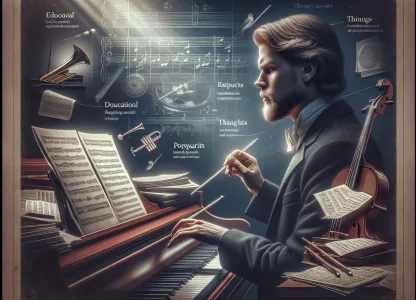
A classical musician works on performing pieces from the classical repertoire, often as a member of orchestras, ensembles, or as a soloist. Tasks include regular practice, participating in rehearsals, concerts, and sometimes recordings. Many classical musicians also teach their instrument, lead workshops, or are involved in music education projects. The work environment can vary between concert halls, churches, schools, and studios, with often irregular hours including evenings and weekends. Many musicians have project-based employment or work as freelancers, requiring great flexibility and the ability to handle varying working conditions.
Read more ->
A folk musician specializes in performing, arranging, and sometimes composing music within the folk tradition, both solo and in ensembles. Responsibilities can range from concerts and tours to teaching, studio recordings, and participation in cultural projects and festivals. The environment is often characterized by flexibility and creativity, with workplaces including concert halls, schools, smaller stages, and digital platforms. Collaboration with other musicians and cultural actors is common, and working hours are often irregular, including evenings and weekends.
Read more ->-

Opinion Landscape: Novus February 2026 – Social Democrats Still Largest
Thu, 19 Feb 2026 - 01:35 -

Policy rate remains at 1.75% – Riksbank signals stability
Thu, 29 Jan 2026 - 14:02


A music director in teaching is responsible for leading and organizing music education at the high school level, often within arts programs or specialized music tracks. Tasks include teaching music subjects, conducting ensembles, organizing concerts, developing teaching materials, and supervising students individually and in groups. In addition to teaching, much administrative work is involved, such as scheduling and coordinating with other teachers. The work environment is dynamic and creative, with constant interaction between theory and practice, encompassing classrooms, practice rooms, and larger concert venues. Contact with students, colleagues, and sometimes external stakeholders is a natural part of the daily routine.
Read more ->
A musical artist works by portraying roles in musicals and stage productions where singing, dancing, and acting are combined. The work involves rehearsals, performances, and often tours, requiring great flexibility and adaptability. The work environment is dynamic and can range from large theater stages to smaller venues or outdoor settings. The work is often done in teams with directors, choreographers, musicians, and other artists, demanding strong collaboration and communication skills.
Read more ->
A Music Agent is responsible for representing and advocating for artists, bands, and musicians towards organizers, record labels, and other industry players. Tasks include negotiating contracts, booking performances, managing marketing, and developing and nurturing the artist's career. The work is often in a fast-changing environment where flexibility and the ability to make quick decisions are crucial. The Music Agent can work both at an office and on the field, such as at concerts and events, which involves irregular hours and travel.
Read more ->
A museum guard chief plays a central role in museum operations and is responsible for ensuring that exhibition spaces, collections, and public areas are safe and well-maintained. Tasks include daily supervision of premises and technical equipment, handling transportation, hanging artworks, and minor repairs. Many times, contact with visitors, service at events, and collaboration with other museum professionals are included. The work is often carried out in historic or culturally significant buildings, requiring carefulness and precision. The working environment varies between calm periods and more intense days during exhibitions or major events.
Read more ->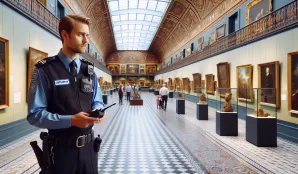
A museum guard is responsible for safety and order within the museum premises. Tasks include monitoring exhibition halls, assisting visitors, preventing theft or vandalism, and managing alarms and other security systems. The profession also involves providing information to guests, intervening in incidents, and sometimes performing simple administrative tasks. The work environment is often calm and quiet, but can quickly become high-paced during events or unexpected situations. The work is usually indoors, but outdoor surveillance of the museum's grounds may be required as needed.
Read more ->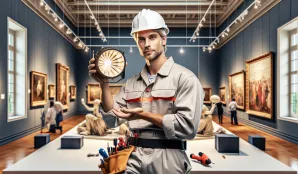
Museum technicians are responsible for installation, operation, and maintenance of technical equipment in museum settings. Their tasks often include preparing and mounting lighting, sound systems, and digital solutions during exhibitions and events. The role also involves troubleshooting and repairing technical systems, as well as collaborating with exhibition producers and other technicians to ensure that the presentation of objects and information meets high standards. The work environment is varied and can range from workshops and exhibition halls to working at heights or in confined spaces, where safety and precision are central.
Read more ->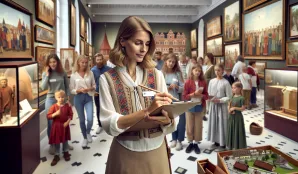
A museum educator is responsible for developing and implementing educational programs and activities at museums. Tasks include creating guided tours, workshops, and educational materials aimed at various audiences, such as school groups, families, and adult visitors. The museum educator often collaborates with other museum staff, such as curators and exhibition producers, to ensure that knowledge and cultural heritage are conveyed in an engaging and accessible manner. The work environment combines public interactions, planning, and administrative tasks, often in a creative and stimulating setting where independent work and teamwork are common.
Read more ->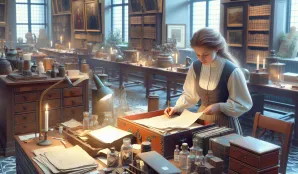
A Museiman often works with managing, caring for, and making museum collections accessible. Tasks can include everything from exhibition planning, guiding, and educational activities to documentation and research of museum objects. Many are also involved in development projects, digitization, and collaboration with other cultural institutions. The work environment is typically museum-based, meaning work in historic or modern buildings, often involving public contact and administrative duties. A Museiman is expected to combine accuracy and creativity, with high service orientation towards visitors being central.
Read more ->