News and articles
- Home
- Articles






Latest posts

A music teacher in course activities is responsible for planning and leading music instruction across various genres and instruments, often at study associations, cultural schools, or private music schools. The work involves tailoring lessons to students' individual needs and levels, creating inspiring lesson plans, and guiding groups or individual students. The environment is often creative and varied, with work during both daytime and evenings, as well as weekends, depending on participants’ availability. In addition to teaching, administrative tasks, planning concerts and performances, and ongoing professional development to stay updated in music pedagogy and new teaching methods are common.
Read more ->
A music teacher in upper secondary school is responsible for planning, implementing, and following up on music lessons for students aged 16 to 19 years. The duties include both theoretical and practical elements, such as ensemble playing, music theory, ear training, singing, and instrument handling. The music teacher prepares lessons, leads music projects and concerts, and participates in development work together with colleagues. The work often takes place in specially equipped music rooms and can involve both individual mentoring and group teaching. The environment is characterized by creativity and collaboration, but also requires structure and the ability to meet students with different backgrounds and conditions.
Read more ->-

Opinion Landscape: Novus February 2026 – Social Democrats Still Largest
Thu, 19 Feb 2026 - 01:35 -

Policy rate remains at 1.75% – Riksbank signals stability
Thu, 29 Jan 2026 - 14:02


A music teacher in elementary school is responsible for planning, implementing, and evaluating music education for students of various ages. Tasks include teaching singing, instruments, ear training, music theory, and music listening, often tailored to students' levels and school resources. The music teacher also organizes concerts, performances, and collaborates with other teachers on theme days and larger school projects. The work environment varies but typically includes classrooms, music halls, and sometimes auditoriums, with both quiet and lively moments depending on activities and student groups. The role also involves administrative tasks such as grading, planning, and maintaining ongoing contact with colleagues, parents, and school management.
Read more ->
A music consultant works to support, develop, and coordinate music activities within schools, cultural schools, municipalities, or regions. The tasks often include planning music projects, mentoring music teachers, developing pedagogical methods, and building networks among different actors in the music sector. In some cases, administration, project management, and applying for cultural project grants are also included. The work environment varies and can include office work as well as travel to different venues, concerts, or training events. Contact with children, youth, and adults is central, as is collaboration with other cultural educators and school leaders.
Read more ->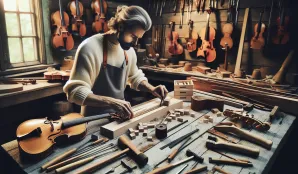
A musical instrument maker works with building, repairing, and maintaining various types of musical instruments, such as string instruments, wind instruments, or pianos. Tasks can range from selecting materials and performing precision work with hand tools to adjusting instruments for optimal sound and playability. The work often takes place in small workshops or studios, requiring patience and high craftsmanship skills. The work environment emphasizes accuracy, concentration, and a strong attention to detail, as each instrument requires individual adjustment and care.
Read more ->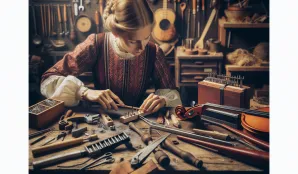
A musical instrument maker works with manufacturing, repairing, and maintaining various types of musical instruments, often focusing on string, wind, or percussion instruments. The work requires high craftsmanship, precision, and a feel for materials such as wood, metal, and plastic. Many instrument makers operate in small workshops or studios, where each instrument is often handcrafted or repaired according to customer specifications. The work environment is characterized by physical activity, use of specialized tools, and sometimes exposure to noise and dust, which necessitates good ergonomics and safety routines.
Read more ->
A music instructor works to guide and inspire individuals or groups in musical activities, often in educational or social settings. Tasks may include leading music courses, coaching ensembles, organizing music workshops, and supporting participants in their musical development. The work often takes place in cultural schools, study associations, folk high schools, or within various club activities. The work environment is diverse and can include classrooms, rehearsal rooms, and digital platforms. Flexibility, collaboration, and a creative atmosphere characterize the profession, with human interaction at its core.
Read more ->
A music publisher works with representing, managing, and marketing musical works and their rights. The role involves close collaboration with composers, lyricists, and artists to ensure their works reach as wide an audience as possible – both nationally and internationally. The music publisher negotiates contracts, handles licensing, and manages copyright administration, while also requiring an eye for new talent and a good understanding of the commercial aspects of the music industry. The work environment is often dynamic and network-based, with many contacts within music, media, and legal sectors. The work is usually performed at an office but may also include travel, meetings at events, and digital work.
Read more ->
A musician in popular music works with creating, performing, and sometimes arranging music in genres such as pop, rock, hip-hop, soul, and similar. Tasks can include playing instruments, singing, producing music in a studio, participating in tours, or performing live at concerts and events. Many musicians work project-based in bands, as solo artists, or as hired session musicians. The work environment varies between rehearsal spaces, studios, stages, and sometimes teaching or remote recording. The profession is characterized by a fast pace, irregular hours, and demands for flexibility.
Read more ->
A musician in contemporary classical music performs and interprets classical repertoire as well as newly composed contemporary works in various settings. Tasks often include solo performances, orchestral playing, chamber music, and sometimes teaching or composition. Many work project-based, switching between different ensembles, orchestras, or freelance assignments, which requires great flexibility and good collaboration skills. The work environment varies between concert halls, churches, studios, and sometimes schools, with often irregular working hours, especially during concerts and tours.
Read more ->