- Salary statistics
- Sheet metal workers, aircraft salary
Sheet metal workers, aircraft salary
Latest available salary statistics are for 2025. Compare average pay, salary range and related job listings.
37 300 - 37 500 SEK / month
Industriell tillverkning
Related tools
Salary progression Sheet metal workers, aircraft
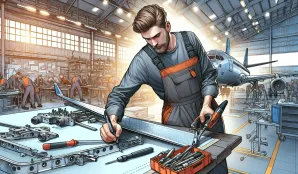
What does a sheet metal worker in aviation do? – Tasks and work environment
A sheet metal worker in the aviation industry is responsible for manufacturing, assembling, and repairing aircraft parts made of sheet metal and other metals. Tasks range from shaping and customizing sheet components to performing advanced repairs on aircraft fuselages, wings, and other vital parts. The work is often performed in hangars, workshops, or airport areas where high standards of precision, safety, and quality are required. The environment is characterized by meticulous routines and safety standards, requiring both independent work and collaboration with technicians and engineers.
Wage development over time
Over the past three years, wage development for sheet metal workers in aviation has shown a steady increase. In 2022, the average salary was 32,200 kronor per month, rising to 35 700 kronor in 2023 and reaching 37 500 kronor in 2024. This represents a total increase of approximately 10.9% during the period. The trend indicates a growing demand for skilled labor in the profession, partly linked to technological development and increased skill requirements within the aviation industry. The relatively steady salary increase may also be due to recruitment challenges and a significant number of workers leaving the profession, which pushes up salary levels for remaining specialists.
Sheet metal worker in aviation salary – complete overview
- Average salary: 37 500 kr/month
- Lowest/Highest salary: Data unavailable, but average for men 37 600 kr/month
- Hourly wage: 215 kr
- Gender differences: Only data for men; women's wages are not reported
- Regional differences: Specific data unavailable, but variations may occur depending on airport region
Education and qualifications
To work as a sheet metal worker in the aviation industry, a vocational training in sheet metal work with a focus on industry or aviation technology is usually required. Many employers also require certifications and experience working with aviation-specific materials and methods. Practical training and on-the-job learning are central components of the education, and good knowledge of safety regulations and quality standards is essential.
- Vocational training: Sheet metal worker, 3 years in high school (Industrial Technology program)
- Certifications: Often require additional aviation technical certification
- Internship: On-the-job training included in the education
- Prerequisites: Approved grades in mathematics and technology are recommended
- Tip: Choose an aviation specialization or seek an internship at an aircraft workshop for increased competitiveness
Many sheet metal workers in aviation develop unique skills in advanced metal processing and repair, which can lead some to roles in quality control or training new technicians. It is a profession where precision and accuracy are often valued higher than speed, and where you work with some of the most technically demanding materials in the industry.
Common benefits and compensations
Sheet metal workers in the aviation industry often have access to benefits such as work clothing, wellness allowances, and sometimes subsidized lunches or travel. Other common compensations include shift bonuses, overtime pay, and extra vacation days when working at larger airports or within international companies. Some employers also offer opportunities for skill development and further training within the industry.
Challenges and competition
The job market for sheet metal workers in aviation is characterized by a paradoxical situation where there are both recruitment difficulties and many leaving the profession. Despite large national job opportunities, the profession faces challenges such as technological development, high safety and certification standards, and the need for continuous skill upgrading. Competition for jobs may vary regionally depending on proximity to major airports or workshops, and employers often have high requirements for experience and specialized knowledge. Staying updated on new materials and methods is crucial to remain attractive on the job market.
Tips for aspiring sheet metal workers in aviation
To succeed as a sheet metal worker in aviation, combining technical interest with precision and a willingness to learn continuously is important. Good problem-solving skills help when unexpected repairs are needed, and flexibility is vital in a rapidly changing industry. Being cooperative and communicative is essential when working in teams with technicians and engineers. Practical skills and an eye for detail make it easier to meet the high precision standards required. For those who are proactive and engaged, opportunities for further education and specialization in the aviation industry are often available.
Key facts about sheet metal workers in aviation
- Education level: Vocational training (3 years), often with an aviation specialization
- Work environment: Hangar, workshop, or airport with high safety standards
- Demand: Large opportunities for work nationwide
- Special skills: Advanced metal processing and repair techniques
- Number of available jobs: 1,437 available positions within the profession
Career paths and future prospects
After three to five years as a sheet metal worker in aviation, there are opportunities to advance to more specialized roles, such as supervisor, quality inspector, or instructor for new technicians. Some choose to further their education in aviation technology or switch to other parts of the aviation industry. Forecasts from the Employment Service show that job opportunities for sheet metal workers are expected to remain stable over the next five years, with continued high demand. However, recruitment challenges persist, making competent and certified sheet metal workers highly sought after in the job market.
Frequently asked questions about sheet metal workers in aviation
- What does a sheet metal worker in aviation earn?
- The average monthly salary is 37 500. - What is the hourly wage for sheet metal workers in aviation?
- The hourly wage is approximately 215. - What education is required to work as a sheet metal worker in aviation?
- Vocational training in sheet metal work, preferably with aviation specialization, along with often additional certifications. - Are there wage differences between men and women?
- Only salary figures for men are available; women's wages are not reported. - What is the job market like for sheet metal workers in aviation?
- Large job opportunities nationwide, with 1,437 available positions. - What benefits can be offered in the profession?
- Common benefits include work clothing, wellness allowances, shift bonuses, and opportunities for further training.

Salary distributed by age and sector
| Age | Base salary | Monthly salary | |
|---|---|---|---|
| 18-24 | 30300 kr | 30400 kr | |
| 25-34 | 37100 kr | 37300 kr | |
| 35-44 | 39500 kr | 39600 kr | |
| 45-54 | 40600 kr | 41100 kr | |
| 55-64 | 36000 kr | 36300 kr | |
| Snitt | 37300 kr | 37500 kr |
| Age | Base salary | Monthly salary | |
|---|---|---|---|
| 18-24 | 30300 kr | 30400 kr | |
| 25-34 | 37100 kr | 37300 kr | |
| 35-44 | 39500 kr | 39600 kr | |
| 45-54 | 40600 kr | 41100 kr | |
| 55-64 | 36000 kr | 36300 kr | |
| Snitt | 37300 kr | 37500 kr |
| Age | Base salary | Monthly salary | |
|---|---|---|---|
| 18-24 | 30300 kr | 30400 kr | |
| 25-34 | 37100 kr | 37300 kr | |
| 35-44 | 39500 kr | 39600 kr | |
| 45-54 | 40600 kr | 41100 kr | |
| 55-64 | 36000 kr | 36300 kr | |
| Snitt | 37300 kr | 37500 kr |
| Age | Base salary | Monthly salary | |
|---|---|---|---|
| 18-24 | 30400 kr | 30500 kr | |
| 25-34 | 37400 kr | 37600 kr | |
| 35-44 | 39700 kr | 39700 kr | |
| 45-54 | 40600 kr | 41100 kr | |
| 55-64 | 36000 kr | 36300 kr | |
| Snitt | 37400 kr | 37600 kr |
| Age | Base salary | Monthly salary | |
|---|---|---|---|
| 18-24 | 30400 kr | 30500 kr | |
| 25-34 | 37400 kr | 37600 kr | |
| 35-44 | 39700 kr | 39700 kr | |
| 45-54 | 40600 kr | 41100 kr | |
| 55-64 | 36000 kr | 36300 kr | |
| Snitt | 37400 kr | 37600 kr |
| Age | Base salary | Monthly salary | |
|---|---|---|---|
| 18-24 | 30400 kr | 30500 kr | |
| 25-34 | 37400 kr | 37600 kr | |
| 35-44 | 39700 kr | 39700 kr | |
| 45-54 | 40600 kr | 41100 kr | |
| 55-64 | 36000 kr | 36300 kr | |
| Snitt | 37400 kr | 37600 kr |

About the data
All information displayed on this page is based on data from the Swedish Central Bureau of Statistics (SCB), the Swedish Tax Agency and the Swedish employment agency. Learn more about our data and data sources here.
All figures are gross salaries, meaning salaries before tax. The average salary, or mean salary, is calculated by adding up the total salary for all individuals within the profession and dividing it by the number of individuals. For specific job categories, we have also considered various criteria such as experience and education.
Profession Sheet metal workers, aircraft has the SSYK code 7214, which we use to match against the SCB database to obtain the latest salary statistics.




Compare salary, work tasks and job outlook in adjacent occupations to find roles with similar skills or pay levels.
-

Charcuterie worker, manufacturing salary
Average salary: 33 000 SEK/month • Industriell tillverkning
Machine operators, meat and fish processing industry
Compare with Sheet metal workers, aircraft
Tue, 14 Jul 2026 - 08:18 -
Textile machine adjuster, yarn preparation salary
Average salary: 32 200 SEK/month • Industriell tillverkning
Other machine operators, textile, leather and leather industry
Compare with Sheet metal workers, aircraft
Tue, 14 Jul 2026 - 07:14 -

Average salary: 33 900 SEK/month • Industriell tillverkning
Machine operators, rubber industry
Compare with Sheet metal workers, aircraft
Mon, 13 Jul 2026 - 01:29 -

Average salary: 47 800 SEK/month • Industriell tillverkning
Production supervisors
Compare with Sheet metal workers, aircraft
Thu, 9 Jul 2026 - 13:10 -

Average salary: 40 000 SEK/month • Industriell tillverkning
Rolling mill operators
Compare with Sheet metal workers, aircraft
Mon, 13 Jul 2026 - 09:37 -

Supervisor, confectionery salary
Average salary: 47 800 SEK/month • Industriell tillverkning
Production supervisors
Compare with Sheet metal workers, aircraft
Tue, 14 Jul 2026 - 10:08


