- Salary statistics
- Leisure assistant salary
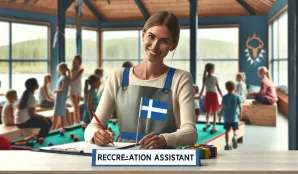
Leisure assistant salary
Latest available salary statistics are for 2025. Compare average pay, salary range and related job listings.
28 700 - 38 000 SEK / month
Women earn 101% of what men do.
Socialt arbete
Related tools
Salary progression Leisure assistant
What does a Fritidsassistent do? – Tasks and Work Environment
A Fritidsassistent works to create meaningful and safe leisure activities for children, youth, and sometimes adults. Tasks can include planning and leading sports activities, cultural events, crafts, games, and social activities in various leisure settings. Fritidsassistenter often serve as adult role models and contribute to a positive and inclusive environment. The work usually takes place at youth centers, schools, or within municipal operations, requiring flexibility and the ability to meet diverse individual needs.
Salary development over time
Over the past three years, the salary for a Fritidsassistent has shown steady and positive growth. In 2022, the average salary was 29,600 SEK per month, increasing to 31 900 SEK in 2023. The latest data from 2024 shows a further increase to 32 700 SEK, representing a total increase of approximately 7.4% over the period. The trend indicates growing recognition of the profession's importance, alongside increased competition for qualified Fritidsassistenter. Salary improvements are also linked to higher educational requirements and efforts to create attractive work environments within leisure activities.
Fritidsassistent salary – comprehensive overview
- Average salary: 32 700 SEK/month
- Lowest salary: 27,400 SEK/month (men), 28,000 SEK/month (women)
- Highest salary: 37,600 SEK/month (men), 35,700 SEK/month (women)
- Hourly wage: 192 SEK
- Gender differences: Women earn 101% of what men do
- Regional differences: Variations occur depending on employer and location, often in large cities or counties
Education and qualifications
To work as a Fritidsassistent, a high school diploma within the Child and Leisure Program is usually required, but post-secondary courses or leisure leader training are also advantageous. Practical experience with children and youth is highly valuable. Many employers value personal qualities such as teamwork, engagement, and good communication.
- High school education: Child and Leisure Program (3 years)
- Post-secondary education: Leisure leader training (1–2 years, folk high school)
- Internship: On-the-job learning is common
- Certifications: Courses in leadership, conflict management, and safety are advantageous
- Prerequisites: High school diploma or equivalent
Many Fritidsassistenter have the opportunity to develop personal interests, such as music, sports, or arts, as part of their daily work. This variety makes the profession particularly attractive for those who want to combine their passion for youth with personal hobbies. Watching young people grow and discover new interests is one of the most appreciated aspects of the job.
Common benefits and compensations
Fritidsassistenter are often offered benefits such as wellness allowances, professional development, subsidized lunches, and sometimes overtime pay for evening and weekend work. Pensions, collective agreements, and insurance are also common within the profession, especially in the public sector. Flexibility in working hours and opportunities for further training are appreciated by many employees.
Competition and challenges
The job market for Fritidsassistenter is characterized by balanced competition, where the number of qualified candidates matches the number of available positions. According to the Swedish Public Employment Service's forecast, employment opportunities are moderate and expected to remain stable over the next five years. Challenges may include variable working hours, high social competence requirements, and sometimes limited resources within certain organizations. Larger cities often offer more positions, while competition can be tougher in smaller municipalities. Managing diverse needs and engaging youth requires patience and creativity.
Tips for those who want to become a Fritidsassistent
To succeed as a Fritidsassistent, it is beneficial to be attentive, proactive, and genuinely committed to youth development. Showing patience and the ability to listen to young people's needs contributes to a safe and inclusive environment. Flexibility and quick adaptation to different situations are also important, as the work often involves rapid changes and unexpected challenges. Good teamwork skills facilitate collaboration with colleagues, guardians, and other stakeholders. Continuously seeking new knowledge and participating in further training enhances confidence and work performance. A creative flair and willingness to inspire others make it easier to create activities that engage and motivate participants.
Key facts about Fritidsassistent
- Education level: High school diploma or leisure leader training
- Work environment: Youth centers, schools, and municipal activities
- Work schedule: Often scheduled day, evening, and weekend shifts
- Demand: Moderate national opportunities for employment
- Job openings: 237 within the profession (May 2024)
Career paths and future prospects
After three to five years as a Fritidsassistent, opportunities exist to advance to roles such as leisure leader, supervisor, or coordinator within leisure activities. Some choose to further their education as social pedagogues or work in student health and school development. According to the Swedish Public Employment Service, the demand for the profession is stable, with moderate opportunities for employment and an unchanged forecast over the next five years. Positions are mainly found in the municipal sector, but also within private and non-profit organizations. Those seeking variety and personal development have good prospects for growth within the field.
Frequently asked questions about Fritidsassistent
- What is the average salary of a Fritidsassistent?
- The average salary is 32 700 SEK per month. - What education is required to become a Fritidsassistent?
- High school education within the Child and Leisure Program is most common, but leisure leader training is also advantageous. - Are there differences between men's and women's salaries?
- Yes, women earn on average 101% of what men do within the profession. - What does the job market look like for Fritidsassistenter?
- Opportunities for employment are moderate and expected to remain unchanged in the coming years. - Which workplaces hire Fritidsassistenter?
- Most commonly, youth centers, schools, and municipal activities. - What are the highest and lowest salaries for a Fritidsassistent?
- The highest salary is 37,600 SEK (male, municipal sector), the lowest is 27,400 SEK (male, private sector). - What benefits are common?
- Wellness allowances, professional development, pensions, and sometimes overtime pay.

Salary distributed by age and sector
| Age | Base salary | Monthly salary | |
|---|---|---|---|
| 18-24 | 98% | 25300 kr | 27100 kr |
| 25-34 | 101% | 30200 kr | 32000 kr |
| 35-44 | 101% | 33100 kr | 34300 kr |
| 45-54 | 98% | 33200 kr | 34100 kr |
| 55-64 | 99% | 34500 kr | 35300 kr |
| 65-68 | 34700 kr | 35700 kr | |
| Snitt | 101% | 31400 kr | 32700 kr |
| Age | Base salary | Monthly salary | |
|---|---|---|---|
| 18-24 | 98% | 25000 kr | 27700 kr |
| 25-34 | 99% | 29900 kr | 32200 kr |
| 35-44 | 98% | 32100 kr | 33700 kr |
| 45-54 | 97% | 33200 kr | 34200 kr |
| 55-64 | 99% | 33800 kr | 34700 kr |
| 65-68 | 100% | 33700 kr | 34900 kr |
| Snitt | 99% | 30900 kr | 32600 kr |
| Age | Base salary | Monthly salary | |
|---|---|---|---|
| 18-24 | 98% | 25000 kr | 27700 kr |
| 25-34 | 99% | 29900 kr | 32100 kr |
| 35-44 | 98% | 32100 kr | 33700 kr |
| 45-54 | 97% | 33200 kr | 34200 kr |
| 55-64 | 99% | 33800 kr | 34700 kr |
| 65-68 | 100% | 33700 kr | 34900 kr |
| Snitt | 99% | 30900 kr | 32600 kr |
| Age | Base salary | Monthly salary | |
|---|---|---|---|
| 25-34 | 98% | 29200 kr | 32800 kr |
| 35-44 | 93% | 31500 kr | 33000 kr |
| 45-54 | 104% | 32800 kr | 35600 kr |
| 55-64 | 84% | 35200 kr | 36500 kr |
| Snitt | 97% | 32100 kr | 34500 kr |
| Age | Base salary | Monthly salary | |
|---|---|---|---|
| 18-24 | 98% | 25600 kr | 26500 kr |
| 25-34 | 104% | 30900 kr | 31600 kr |
| 35-44 | 102% | 34600 kr | 35300 kr |
| 45-54 | 100% | 33200 kr | 33900 kr |
| 55-64 | 35600 kr | 36300 kr | |
| Snitt | 105% | 32000 kr | 32700 kr |
| Age | Base salary | Monthly salary | |
|---|---|---|---|
| 18-24 | 98% | 25600 kr | 26500 kr |
| 25-34 | 104% | 30900 kr | 31600 kr |
| 35-44 | 102% | 34600 kr | 35300 kr |
| 45-54 | 100% | 33200 kr | 33900 kr |
| 55-64 | 35600 kr | 36300 kr | |
| Snitt | 105% | 32000 kr | 32700 kr |
| Age | Base salary | Monthly salary | |
|---|---|---|---|
| 18-24 | 98% | 25500 kr | 27500 kr |
| 25-34 | 101% | 29800 kr | 31800 kr |
| 35-44 | 101% | 32700 kr | 34200 kr |
| 45-54 | 98% | 33500 kr | 34500 kr |
| 55-64 | 99% | 34400 kr | 35500 kr |
| Snitt | 101% | 30900 kr | 32500 kr |
| Age | Base salary | Monthly salary | |
|---|---|---|---|
| 18-24 | 98% | 25100 kr | 28100 kr |
| 25-34 | 99% | 29600 kr | 32300 kr |
| 35-44 | 98% | 32100 kr | 34000 kr |
| 45-54 | 97% | 33600 kr | 34800 kr |
| 55-64 | 99% | 33900 kr | 35000 kr |
| 65-68 | 100% | 33400 kr | 34800 kr |
| Snitt | 99% | 30900 kr | 32900 kr |
| Age | Base salary | Monthly salary | |
|---|---|---|---|
| 18-24 | 98% | 25100 kr | 28100 kr |
| 25-34 | 99% | 29600 kr | 32200 kr |
| 35-44 | 98% | 32100 kr | 34000 kr |
| 45-54 | 97% | 33600 kr | 34800 kr |
| 55-64 | 99% | 33800 kr | 35000 kr |
| 65-68 | 100% | 33400 kr | 34800 kr |
| Snitt | 99% | 30900 kr | 32900 kr |
| Age | Base salary | Monthly salary | |
|---|---|---|---|
| 25-34 | 98% | 28600 kr | 33200 kr |
| 35-44 | 93% | 32700 kr | 34200 kr |
| 45-54 | 104% | 32400 kr | 34600 kr |
| 55-64 | 84% | 40000 kr | 40000 kr |
| Snitt | 97% | 33200 kr | 35200 kr |
| Age | Base salary | Monthly salary | |
|---|---|---|---|
| 18-24 | 98% | 26100 kr | 26800 kr |
| 25-34 | 104% | 30200 kr | 30800 kr |
| 35-44 | 102% | 34300 kr | 34800 kr |
| 45-54 | 100% | 33300 kr | 33900 kr |
| Snitt | 105% | 31000 kr | 31700 kr |
| Age | Base salary | Monthly salary | |
|---|---|---|---|
| 18-24 | 98% | 26100 kr | 26800 kr |
| 25-34 | 104% | 30200 kr | 30800 kr |
| 35-44 | 102% | 34300 kr | 34800 kr |
| 45-54 | 100% | 33300 kr | 33900 kr |
| Snitt | 105% | 31000 kr | 31700 kr |
| Age | Base salary | Monthly salary | |
|---|---|---|---|
| 18-24 | 98% | 25100 kr | 26900 kr |
| 25-34 | 101% | 30700 kr | 32100 kr |
| 35-44 | 101% | 33400 kr | 34400 kr |
| 45-54 | 98% | 33000 kr | 33900 kr |
| 55-64 | 99% | 34500 kr | 35300 kr |
| 65-68 | 36500 kr | 37200 kr | |
| Snitt | 101% | 31700 kr | 32800 kr |
| Age | Base salary | Monthly salary | |
|---|---|---|---|
| 18-24 | 98% | 25000 kr | 27400 kr |
| 25-34 | 99% | 30100 kr | 32000 kr |
| 35-44 | 98% | 32100 kr | 33400 kr |
| 45-54 | 97% | 32900 kr | 33800 kr |
| 55-64 | 99% | 33800 kr | 34600 kr |
| 65-68 | 100% | 33900 kr | 34900 kr |
| Snitt | 99% | 31000 kr | 32400 kr |
| Age | Base salary | Monthly salary | |
|---|---|---|---|
| 18-24 | 98% | 25000 kr | 27400 kr |
| 25-34 | 99% | 30100 kr | 32000 kr |
| 35-44 | 98% | 32100 kr | 33400 kr |
| 45-54 | 97% | 32900 kr | 33800 kr |
| 55-64 | 99% | 33800 kr | 34600 kr |
| 65-68 | 100% | 33800 kr | 34900 kr |
| Snitt | 99% | 31000 kr | 32400 kr |
| Age | Base salary | Monthly salary | |
|---|---|---|---|
| 25-34 | 98% | 29400 kr | 32600 kr |
| 35-44 | 93% | 30400 kr | 31800 kr |
| 45-54 | 104% | 33000 kr | 36100 kr |
| 55-64 | 84% | 31600 kr | 33800 kr |
| Snitt | 97% | 31500 kr | 34200 kr |
| Age | Base salary | Monthly salary | |
|---|---|---|---|
| 18-24 | 98% | 25200 kr | 26200 kr |
| 25-34 | 104% | 31500 kr | 32200 kr |
| 35-44 | 102% | 34800 kr | 35500 kr |
| 45-54 | 100% | 33200 kr | 33900 kr |
| 55-64 | 35400 kr | 36000 kr | |
| Snitt | 105% | 32500 kr | 33200 kr |
| Age | Base salary | Monthly salary | |
|---|---|---|---|
| 18-24 | 98% | 25200 kr | 26200 kr |
| 25-34 | 104% | 31500 kr | 32200 kr |
| 35-44 | 102% | 34800 kr | 35500 kr |
| 45-54 | 100% | 33200 kr | 33900 kr |
| 55-64 | 35400 kr | 36000 kr | |
| Snitt | 105% | 32500 kr | 33200 kr |

About the data
All information displayed on this page is based on data from the Swedish Central Bureau of Statistics (SCB), the Swedish Tax Agency and the Swedish employment agency. Learn more about our data and data sources here.
All figures are gross salaries, meaning salaries before tax. The average salary, or mean salary, is calculated by adding up the total salary for all individuals within the profession and dividing it by the number of individuals. For specific job categories, we have also considered various criteria such as experience and education.
Profession Leisure assistant has the SSYK code 3423, which we use to match against the SCB database to obtain the latest salary statistics.
-

Recess/Learning Assistant - Futuraskolan International School of Stockholm
Recreation leaders etc.
Tue, 14 Jul 2026 - 21:35 -
Youth Centre Leader at Ronneby Municipality – Fixed-term Contract
Recreation leaders etc.
Tue, 14 Jul 2026 - 21:06



Compare salary, work tasks and job outlook in adjacent occupations to find roles with similar skills or pay levels.
-

Integration administrator salary
Average salary: 37 500 SEK/month • Socialt arbete
Other professions in social work
Compare with Leisure assistant
Tue, 14 Jul 2026 - 21:19 -

Home care assistant, responsibility for investigation and support measures salary
Average salary: 37 100 SEK/month • Socialt arbete
Treatment assistants and social pedagogues etc.
Compare with Leisure assistant
Tue, 14 Jul 2026 - 16:18 -

Average salary: 37 100 SEK/month • Socialt arbete
Treatment assistants and social pedagogues etc.
Compare with Leisure assistant
Tue, 14 Jul 2026 - 16:58 -

Average salary: 34 700 SEK/month • Socialt arbete
Funeral and crematory staff
Compare with Leisure assistant
Tue, 14 Jul 2026 - 17:13 -

Disability assistant, carer and housing supporter salary
Average salary: 33 300 SEK/month • Socialt arbete
Caregivers, residential support
Compare with Leisure assistant
Tue, 14 Jul 2026 - 11:56 -

Average salary: 37 100 SEK/month • Socialt arbete
Treatment assistants and social pedagogues etc.
Compare with Leisure assistant
Tue, 14 Jul 2026 - 22:12


