- Salary statistics
- Field assistant salary
Field assistant salary
Latest available salary statistics are for 2025. Compare average pay, salary range and related job listings.
37 600 - 54 300 SEK / month
Women earn 102% of what men do.
Socialt arbete
Related tools
Salary progression Field assistant
What does a field assistant do? – Tasks and work environment
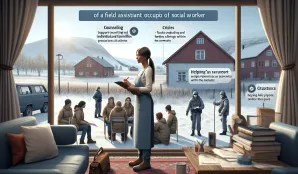
A field assistant primarily supports children, adolescents, and sometimes adults in socially vulnerable situations. The work often involves outreach activities, preventive efforts, and building relationships with individuals in need of support. Field assistants collaborate closely with social services, schools, and sometimes the police to create safe environments and prevent social problems. The work takes place both outdoors and indoors, often during evenings and weekends, with significant variation depending on the target group’s needs. The work environment can be challenging but offers the opportunity to make a tangible difference in society.
Salary development over time
The salary for field assistants has steadily increased over recent years. In 2022, the average salary was 37,500 SEK per month, which increased to 40 300 SEK in 2023. The latest data from 2024 shows a further rise to 41 600 SEK, representing approximately a 7.5% increase over two years. This positive trend is linked to an increased focus on preventive social work, with growing demand for competent field assistants. The salary increase also reflects a general effort within the public sector to attract and retain staff in social work. The gender gap has narrowed, and women now earn slightly more than men in the profession.
Field assistant salary – comprehensive overview
- Average salary: 41 600 SEK/month
- Lowest salary: 34,800 SEK/month (male, public sector, upper secondary education up to 2 years)
- Highest salary: 54,300 SEK/month (female, public sector, data unavailable)
- Hourly wage: 242 SEK (based on 166 working hours/month)
- Gender pay gap: Women earn 102 % of what men do (women: 41 700 SEK, men: 41 100 SEK)
- Regional differences: Differences exist but detailed statistics are lacking
Education and qualifications
Field assistants typically have post-secondary education in social work, often as a social worker or with similar training. Practical experience working with youth or in socially vulnerable environments is often an advantage. Sometimes, specialized courses or professional development are required depending on the employer and target group.
- Social worker degree: 3.5 years, the most common educational path
- YH-educations: Focused on social work or youth work, 2 years
- Relevant internships: Internships within social services or community organizations are beneficial
- Courses in conversation techniques and conflict management: Often in demand
- Prerequisites: Upper secondary diploma, often with a social science focus
Field assistants often work in teams and collaborate with many different actors in society, making the profession both social and developmental. Flexibility and initiative are important qualities since no two days are the same.
Common benefits and compensations
Field assistants are often offered collective agreement benefits such as occupational pension, wellness allowances, and subsidized healthcare. Other common compensations include evening and weekend work supplements and opportunities for professional development and further training within the profession.
Competition and challenges
The job market for field assistants is characterized by balance, where the number of qualified workers matches demand. Moderate employment opportunities exist nationwide, and demand is expected to increase over the next five years. The profession involves challenges such as managing complex social situations, building trust with youth, and working irregular hours. Stress, threatening situations, and the need for continuous professional development can impact the work environment. At the same time, the profession offers significant personal growth for those who enjoy varied and social work.
Tips for those who want to become a field assistant
To succeed as a field assistant, it is beneficial to combine engagement and responsiveness with a structured work approach. Developing good communication skills helps in meetings with youth and partners, while patience and the ability to handle stressful situations are crucial in daily work. Practical experience, such as through volunteering or internships, provides valuable insight into the profession’s challenges. Showing initiative and being solution-oriented facilitates cooperation with other professionals. The ability to build trust and create safe relationships is one of the most important qualities to make a difference as a field assistant.
Key facts about Field Assistant
- Education level: Post-secondary (social worker or YH-education)
- Work environment: Outreach and varied, often outdoors and in the evenings
- Work form: Often teamwork and collaboration with other authorities
- Demand: Moderate, increasing over five years
- Common sector: Public sector, especially municipal social services
Career paths and future prospects
After three to five years as a field assistant, there are opportunities to advance within social work, such as becoming a social worker, coordinator, or supervisor in youth services. Many choose to specialize in areas like substance abuse, school attendance, or crime prevention. According to forecasts from the Employment Service, demand for the profession is expected to grow, and job opportunities are moderate nationwide. Currently, there are 237 job openings for social workers, including those with a background as a field assistant, indicating good future prospects for those entering the profession.
Frequently asked questions about Field Assistant
- What does a Field Assistant earn?
- The average salary for a field assistant is 41 600 SEK per month. - What are the salary differences between men and women?
- Women earn 41 700 SEK while men earn 41 100 SEK, meaning women earn 102 % of men's salaries. - What education is required to become a field assistant?
- Most commonly, a social worker degree or equivalent YH-education in social work. - Are there regional salary differences?
- Some regional differences exist, but detailed statistics are lacking. - What is the job market like for field assistants?
- Opportunities are moderate, and demand is expected to increase in the coming years. - What are the job responsibilities of a field assistant?
- The duties involve outreach and preventive work with children, adolescents, and young adults. - What is the highest and lowest salary for a field assistant?
- The highest salary is 54,300 SEK (female, public sector), the lowest is 34,800 SEK (male, public sector).

Salary distributed by age and sector
| Age | Base salary | Monthly salary | |
|---|---|---|---|
| 18-24 | 34600 kr | 34900 kr | |
| 25-34 | 101% | 38600 kr | 38900 kr |
| 35-44 | 102% | 41900 kr | 42300 kr |
| 45-54 | 105% | 43700 kr | 44100 kr |
| 55-64 | 101% | 43900 kr | 44400 kr |
| 65-68 | 45100 kr | 45900 kr | |
| Snitt | 102% | 41300 kr | 41600 kr |
| Age | Base salary | Monthly salary | |
|---|---|---|---|
| 18-24 | 100% | 34500 kr | 34800 kr |
| 25-34 | 101% | 38500 kr | 38800 kr |
| 35-44 | 103% | 41900 kr | 42200 kr |
| 45-54 | 104% | 43300 kr | 43800 kr |
| 55-64 | 102% | 44200 kr | 44800 kr |
| 65-68 | 101% | 45100 kr | 45900 kr |
| Snitt | 101% | 41200 kr | 41500 kr |
| Age | Base salary | Monthly salary | |
|---|---|---|---|
| 18-24 | 98% | 36900 kr | 37100 kr |
| 25-34 | 101% | 39300 kr | 39400 kr |
| 35-44 | 100% | 41200 kr | 41400 kr |
| 45-54 | 103% | 42300 kr | 42500 kr |
| 55-64 | 101% | 43600 kr | 43900 kr |
| 65-68 | 96% | 43300 kr | 43600 kr |
| Snitt | 100% | 40800 kr | 41000 kr |
| Age | Base salary | Monthly salary | |
|---|---|---|---|
| 18-24 | 100% | 34400 kr | 34700 kr |
| 25-34 | 101% | 38500 kr | 38700 kr |
| 35-44 | 103% | 42000 kr | 42300 kr |
| 45-54 | 104% | 43400 kr | 43900 kr |
| 55-64 | 102% | 44300 kr | 44800 kr |
| 65-68 | 101% | 45200 kr | 46000 kr |
| Snitt | 102% | 41200 kr | 41600 kr |
| Age | Base salary | Monthly salary | |
|---|---|---|---|
| 35-44 | 42800 kr | 43300 kr | |
| 45-54 | 43700 kr | 43700 kr | |
| Snitt | 43400 kr | 43500 kr |
| Age | Base salary | Monthly salary | |
|---|---|---|---|
| 25-34 | 101% | 38200 kr | 38500 kr |
| 35-44 | 102% | 41000 kr | 41500 kr |
| 45-54 | 105% | 42000 kr | 42500 kr |
| 55-64 | 101% | 43400 kr | 43900 kr |
| Snitt | 102% | 40600 kr | 41100 kr |
| Age | Base salary | Monthly salary | |
|---|---|---|---|
| 18-24 | 100% | 34100 kr | 34800 kr |
| 25-34 | 101% | 38100 kr | 38400 kr |
| 35-44 | 103% | 40900 kr | 41300 kr |
| 45-54 | 104% | 42000 kr | 42400 kr |
| 55-64 | 102% | 43400 kr | 43900 kr |
| 65-68 | 101% | 44600 kr | 45500 kr |
| Snitt | 101% | 40600 kr | 41000 kr |
| Age | Base salary | Monthly salary | |
|---|---|---|---|
| 18-24 | 98% | 37400 kr | 37600 kr |
| 25-34 | 101% | 39200 kr | 39200 kr |
| 35-44 | 100% | 41100 kr | 41400 kr |
| 45-54 | 103% | 41600 kr | 41600 kr |
| 55-64 | 101% | 43100 kr | 43400 kr |
| 65-68 | 96% | 44100 kr | 44900 kr |
| Snitt | 100% | 40800 kr | 41000 kr |
| Age | Base salary | Monthly salary | |
|---|---|---|---|
| 18-24 | 100% | 33800 kr | 34500 kr |
| 25-34 | 101% | 37900 kr | 38300 kr |
| 35-44 | 103% | 40900 kr | 41300 kr |
| 45-54 | 104% | 42000 kr | 42600 kr |
| 55-64 | 102% | 43400 kr | 43900 kr |
| 65-68 | 101% | 44600 kr | 45500 kr |
| Snitt | 102% | 40500 kr | 41000 kr |
| Age | Base salary | Monthly salary | |
|---|---|---|---|
| 18-24 | 34600 kr | 35000 kr | |
| 25-34 | 101% | 38700 kr | 38900 kr |
| 35-44 | 102% | 42100 kr | 42400 kr |
| 45-54 | 105% | 44000 kr | 44400 kr |
| 55-64 | 101% | 44000 kr | 44500 kr |
| 65-68 | 45200 kr | 46000 kr | |
| Snitt | 102% | 41400 kr | 41700 kr |
| Age | Base salary | Monthly salary | |
|---|---|---|---|
| 18-24 | 100% | 34600 kr | 34800 kr |
| 25-34 | 101% | 38600 kr | 38800 kr |
| 35-44 | 103% | 42100 kr | 42400 kr |
| 45-54 | 104% | 43600 kr | 44000 kr |
| 55-64 | 102% | 44400 kr | 44900 kr |
| 65-68 | 101% | 45200 kr | 46000 kr |
| Snitt | 101% | 41300 kr | 41600 kr |
| Age | Base salary | Monthly salary | |
|---|---|---|---|
| 18-24 | 98% | 36800 kr | 37000 kr |
| 25-34 | 101% | 39300 kr | 39500 kr |
| 35-44 | 100% | 41200 kr | 41400 kr |
| 45-54 | 103% | 42600 kr | 42800 kr |
| 55-64 | 101% | 43800 kr | 44000 kr |
| 65-68 | 96% | 42900 kr | 42900 kr |
| Snitt | 100% | 40800 kr | 41000 kr |
| Age | Base salary | Monthly salary | |
|---|---|---|---|
| 18-24 | 100% | 34500 kr | 34700 kr |
| 25-34 | 101% | 38600 kr | 38800 kr |
| 35-44 | 103% | 42100 kr | 42400 kr |
| 45-54 | 104% | 43600 kr | 44100 kr |
| 55-64 | 102% | 44400 kr | 45000 kr |
| 65-68 | 101% | 45300 kr | 46200 kr |
| Snitt | 102% | 41300 kr | 41600 kr |
| Age | Base salary | Monthly salary | |
|---|---|---|---|
| 35-44 | 42800 kr | 43300 kr | |
| 45-54 | 43700 kr | 43700 kr | |
| Snitt | 43400 kr | 43500 kr |

About the data
All information displayed on this page is based on data from the Swedish Central Bureau of Statistics (SCB), the Swedish Tax Agency and the Swedish employment agency. Learn more about our data and data sources here.
All figures are gross salaries, meaning salaries before tax. The average salary, or mean salary, is calculated by adding up the total salary for all individuals within the profession and dividing it by the number of individuals. For specific job categories, we have also considered various criteria such as experience and education.
Profession Field assistant has the SSYK code 2661, which we use to match against the SCB database to obtain the latest salary statistics.
-
Social Worker for the Reception Unit for Children and Young People – Hässelby-Vällingby
Social workers
Tue, 14 Jul 2026 - 09:03 -

Social Secretary for Elderly and Disability Assessment – Temporary Position until September 2027
Social workers
Mon, 13 Jul 2026 - 21:41 -

Social Secretary Position in Torsby Municipality – Children and Families
Social workers
Mon, 13 Jul 2026 - 21:40
Compare salary, work tasks and job outlook in adjacent occupations to find roles with similar skills or pay levels.
-

Children's colony leader salary
Average salary: 32 700 SEK/month • Socialt arbete
Recreation leaders etc.
Compare with Field assistant
Tue, 14 Jul 2026 - 13:04 -

Child counselor, parish salary
Average salary: 32 700 SEK/month • Socialt arbete
Recreation leaders etc.
Compare with Field assistant
Tue, 14 Jul 2026 - 10:08 -

Children's choir leader salary
Average salary: 32 700 SEK/month • Socialt arbete
Recreation leaders etc.
Compare with Field assistant
Tue, 14 Jul 2026 - 13:56 -

Average salary: 34 700 SEK/month • Socialt arbete
Funeral and crematory staff
Compare with Field assistant
Tue, 14 Jul 2026 - 13:11 -

Average salary: 36 738 SEK/month • Socialt arbete
Pastors etc.
Compare with Field assistant
Tue, 14 Jul 2026 - 14:19 -

Average salary: 37 100 SEK/month • Socialt arbete
Treatment assistants and social pedagogues etc.
Compare with Field assistant
Tue, 14 Jul 2026 - 13:05


