- Salary statistics
- Bath attendant, nursing home salary
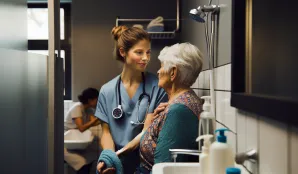
Bath attendant, nursing home salary
Latest available salary statistics are for 2025. Compare average pay, salary range and related job listings.
27 100 - 45 100 SEK / month
Women earn 101% of what men do.
Hälso- & sjukvård
Related tools
Salary progression Bath attendant, nursing home
What does a Baderska in a nursing home do? – Tasks and work environment
A Baderska in a nursing home is responsible for assisting patients and residents with personal hygiene, bathing, and basic body care in a healthcare setting. Tasks often include helping individuals with limited mobility to wash, change clothes, and perform other daily care activities. An important part of the role is to create security and privacy for each individual, as well as observing and reporting any changes in health status to other healthcare staff. The work environment is typically calm but can be physically demanding, as the job often involves lifting and close patient contact. Baderskor work both day and evening shifts and play a central role in maintaining high hygiene standards at the nursing home.
Salary development over time
The profession of Baderska in a nursing home has experienced stable and positive salary growth over the past three years. In 2022, the average salary was 27,100 SEK per month, increasing to 30 200 SEK in 2023, and further to 30 500 SEK in 2024. This corresponds to a total increase of approximately 11% during the period. The salary increase can partly be explained by increased demand for care staff and a general focus on improving working conditions within the care sector. The trend shows that the profession is valued increasingly highly, especially considering the important role Baderskor have in daily patient care. Women have, on average, experienced slightly higher salary growth than men, reflecting the gender distribution and salary structure in the public sector.
The profession of Baderska in a nursing home has deep historical roots and has evolved from a traditional service role to an important position within modern care. Many workplaces value experience and personal contact skills, making it possible for those without formal healthcare education to become appreciated colleagues.
Baderska, nursing home salary – comprehensive overview
- Average salary: 30 500 SEK/month
- Lowest salary: 26,500 SEK/month (woman, public sector, basic education)
- Highest salary: 41,700 SEK/month (woman, municipal sector, postgraduate education)
- Hourly wage: 181 SEK
- Women earn: 30 600 SEK (101% of men's salary)
- Men earn: 30 300 SEK
- Regional differences: Salary levels may vary, but generally the differences between regions are small.
Education and qualifications
To work as a Baderska in a nursing home, usually no extensive formal education is required, but experience in healthcare and social care is often advantageous. Many employers offer internal training or short courses to ensure the necessary knowledge. Personal qualities and interest in care work are often important during recruitment.
- Formal education: Care and social work programs (high school level) are meritorious
- Courses: Short courses in hygiene and ergonomics may be required
- Practical experience: Experience from elderly care or healthcare is highly valued
- Pre-knowledge: Interest in caregiving and good communication skills
- Tip: Employers may offer internal orientation for new employees
Common benefits and compensations
In addition to base salary, compensation for unsocial hours, such as evening and weekend premiums, is common. Other benefits include wellness allowances, paid work clothing, and sometimes opportunities for professional development. Some employers also offer extra vacation days or pension contributions beyond statutory requirements.
Competition and challenges
The competition for positions as a Baderska in a nursing home is moderate, but the availability of jobs varies by region and employer. Physically demanding tasks and psychosocial stress are challenges, especially in workplaces with high workload. Staff turnover can be high if working conditions are poor, but stable workplaces often attract long-term staff. Another challenge is that the role can sometimes be unclear, as it is often combined with other care tasks. Nonetheless, there is a continuous need for dedicated personnel in this field.
Tips for those wishing to become a Baderska in a nursing home
To succeed as a Baderska in a nursing home, it’s good to have genuine compassion for others and the ability to create a sense of security for patients. Good physical endurance facilitates the work, as the profession often involves heavy lifting and many moments requiring presence. Flexibility and patience are valuable traits, especially when the pace varies and each individual has different needs. Being attentive and perceptive makes it easier to notice changes in patients’ well-being, while teamwork skills contribute to a positive work environment with colleagues. Those interested in developing within the profession can take initiatives to participate in internal training and show engagement in the team. Finally, a professional attitude and good communication with both patients and relatives are appreciated.
Key facts about Baderska in a nursing home
- Education level: High school education (care and social work) is advantageous but not required
- Work form: Shift work, including day and evening shifts
- Work environment: Physically demanding with close patient contact
- Demand: 375 job openings in spring 2024
- Gender distribution: Mostly women, with slightly higher salaries than men
Career paths and future prospects
After a few years of experience as a Baderska in a nursing home, there are opportunities for advancement within healthcare and social care roles. It is common to further train as an assistant nurse or take on more specialized tasks within elderly care or rehabilitation. According to the Swedish Public Employment Service forecasts, no exact assessment is made for this specific job title due to limited statistical data, but there is a continuous demand across the entire category of other healthcare and social care personnel. Those who show engagement and interest in further education have good chances to advance to more qualified roles or take on supervisory responsibilities. The profession offers a stable job market, especially as the population ages and care needs increase.
Frequently asked questions about Baderska in a nursing home
- What does a Baderska in a nursing home earn?
- The average salary for a Baderska in a nursing home is 30 500 SEK per month. - What do salary differences between men and women look like?
- Women earn on average 30 600 SEK, which is 101% of men's salary (30 300 SEK). - What is the highest and lowest salary for the profession?
- The highest salary is 41,700 SEK and the lowest is 26,500 SEK per month. - Is education required to become a Baderska in a nursing home?
- Formal education is often advantageous but not mandatory; experience in care is highly valued. - What are the working hours for a Baderska in a nursing home?
- Work is usually in shifts, including day and evening shifts. - How many job openings are there in the profession?
- There are approximately 375 job openings in the category of other healthcare and social care personnel. - What do the job tasks involve?
- The work involves helping patients with personal hygiene, bathing, and basic care tasks.

Salary distributed by age and sector
| Age | Base salary | Monthly salary | |
|---|---|---|---|
| 18-24 | 100% | 24000 kr | 28900 kr |
| 25-34 | 99% | 25900 kr | 30200 kr |
| 35-44 | 99% | 27300 kr | 30500 kr |
| 45-54 | 98% | 28700 kr | 31700 kr |
| 55-64 | 101% | 30200 kr | 32500 kr |
| 65-68 | 114% | 31400 kr | 34800 kr |
| Snitt | 101% | 26600 kr | 30500 kr |
| Age | Base salary | Monthly salary | |
|---|---|---|---|
| 18-24 | 101% | 24100 kr | 28900 kr |
| 25-34 | 99% | 25800 kr | 30200 kr |
| 35-44 | 99% | 27300 kr | 30900 kr |
| 45-54 | 99% | 28600 kr | 31900 kr |
| 55-64 | 101% | 30200 kr | 32900 kr |
| 65-68 | 108% | 32300 kr | 36500 kr |
| Snitt | 101% | 26600 kr | 30600 kr |
| Age | Base salary | Monthly salary | |
|---|---|---|---|
| 18-24 | 103% | 25700 kr | 25700 kr |
| 25-34 | 102% | 27900 kr | 28100 kr |
| 35-44 | 96% | 31600 kr | 32200 kr |
| 45-54 | 94% | 32500 kr | 33700 kr |
| 55-64 | 94% | 33300 kr | 34800 kr |
| 65-68 | 86% | 32900 kr | 34200 kr |
| Snitt | 102% | 28500 kr | 28800 kr |
| Age | Base salary | Monthly salary | |
|---|---|---|---|
| 18-24 | 98% | 23700 kr | 28100 kr |
| 25-34 | 99% | 25400 kr | 29300 kr |
| 35-44 | 101% | 26800 kr | 30000 kr |
| 45-54 | 101% | 28300 kr | 30800 kr |
| 55-64 | 105% | 30500 kr | 32600 kr |
| 65-68 | 108% | 30200 kr | 33500 kr |
| Snitt | 101% | 26100 kr | 29600 kr |
| Age | Base salary | Monthly salary | |
|---|---|---|---|
| 18-24 | 103% | 24300 kr | 29900 kr |
| 25-34 | 99% | 26100 kr | 31200 kr |
| 35-44 | 99% | 27600 kr | 31700 kr |
| 45-54 | 99% | 28900 kr | 32900 kr |
| 55-64 | 100% | 29900 kr | 33200 kr |
| 65-68 | 107% | 33200 kr | 37700 kr |
| Snitt | 101% | 27000 kr | 31700 kr |
| Age | Base salary | Monthly salary | |
|---|---|---|---|
| 18-24 | 23700 kr | 29100 kr | |
| 25-34 | 26400 kr | 30100 kr | |
| 35-44 | 27200 kr | 28400 kr | |
| 45-54 | 28800 kr | 30300 kr | |
| 55-64 | 29900 kr | 30900 kr | |
| Snitt | 100% | 27000 kr | 29600 kr |
| Age | Base salary | Monthly salary | |
|---|---|---|---|
| 18-24 | 23700 kr | 29100 kr | |
| 25-34 | 26400 kr | 30100 kr | |
| 35-44 | 27200 kr | 28400 kr | |
| 45-54 | 28800 kr | 30300 kr | |
| 55-64 | 29900 kr | 30900 kr | |
| Snitt | 100% | 27000 kr | 29600 kr |
| Age | Base salary | Monthly salary | |
|---|---|---|---|
| 18-24 | 100% | 23900 kr | 28900 kr |
| 25-34 | 99% | 25600 kr | 30300 kr |
| 35-44 | 99% | 26700 kr | 30700 kr |
| 45-54 | 98% | 28100 kr | 32200 kr |
| 55-64 | 101% | 29400 kr | 32300 kr |
| 65-68 | 114% | 29000 kr | 31200 kr |
| Snitt | 101% | 25900 kr | 30300 kr |
| Age | Base salary | Monthly salary | |
|---|---|---|---|
| 18-24 | 101% | 23900 kr | 28700 kr |
| 25-34 | 99% | 25600 kr | 30400 kr |
| 35-44 | 99% | 26800 kr | 31000 kr |
| 45-54 | 99% | 28100 kr | 32300 kr |
| 55-64 | 101% | 29100 kr | 32700 kr |
| 65-68 | 108% | 30200 kr | 34100 kr |
| Snitt | 101% | 25900 kr | 30400 kr |
| Age | Base salary | Monthly salary | |
|---|---|---|---|
| 18-24 | 103% | 25400 kr | 25500 kr |
| 25-34 | 102% | 27500 kr | 27700 kr |
| 35-44 | 96% | 31900 kr | 33000 kr |
| 45-54 | 94% | 33000 kr | 34900 kr |
| 55-64 | 94% | 33000 kr | 35900 kr |
| 65-68 | 86% | 34300 kr | 36600 kr |
| Snitt | 102% | 28000 kr | 28600 kr |
| Age | Base salary | Monthly salary | |
|---|---|---|---|
| 18-24 | 98% | 23700 kr | 28400 kr |
| 25-34 | 99% | 25300 kr | 29500 kr |
| 35-44 | 101% | 25900 kr | 29800 kr |
| 45-54 | 101% | 27100 kr | 30600 kr |
| 55-64 | 105% | 28700 kr | 31300 kr |
| 65-68 | 108% | 29000 kr | 31600 kr |
| Snitt | 101% | 25200 kr | 29400 kr |
| Age | Base salary | Monthly salary | |
|---|---|---|---|
| 18-24 | 103% | 23900 kr | 29400 kr |
| 25-34 | 99% | 25900 kr | 31400 kr |
| 35-44 | 99% | 27200 kr | 31800 kr |
| 45-54 | 99% | 28400 kr | 33200 kr |
| 55-64 | 100% | 29100 kr | 33300 kr |
| 65-68 | 107% | 30700 kr | 35500 kr |
| Snitt | 101% | 26300 kr | 31400 kr |
| Age | Base salary | Monthly salary | |
|---|---|---|---|
| Snitt | 100% | 26000 kr | 29700 kr |
| Age | Base salary | Monthly salary | |
|---|---|---|---|
| Snitt | 100% | 26000 kr | 29700 kr |
| Age | Base salary | Monthly salary | |
|---|---|---|---|
| 18-24 | 100% | 24100 kr | 28900 kr |
| 25-34 | 99% | 26100 kr | 30100 kr |
| 35-44 | 99% | 27500 kr | 30500 kr |
| 45-54 | 98% | 28900 kr | 31600 kr |
| 55-64 | 101% | 30400 kr | 32600 kr |
| 65-68 | 114% | 32100 kr | 35700 kr |
| Snitt | 101% | 27000 kr | 30600 kr |
| Age | Base salary | Monthly salary | |
|---|---|---|---|
| 18-24 | 101% | 24200 kr | 28900 kr |
| 25-34 | 99% | 26000 kr | 30100 kr |
| 35-44 | 99% | 27500 kr | 30900 kr |
| 45-54 | 99% | 28800 kr | 31800 kr |
| 55-64 | 101% | 30500 kr | 33000 kr |
| 65-68 | 108% | 32700 kr | 36900 kr |
| Snitt | 101% | 26900 kr | 30800 kr |
| Age | Base salary | Monthly salary | |
|---|---|---|---|
| 18-24 | 103% | 26100 kr | 26100 kr |
| 25-34 | 102% | 28300 kr | 28400 kr |
| 35-44 | 96% | 31300 kr | 31600 kr |
| 45-54 | 94% | 32200 kr | 32700 kr |
| 55-64 | 94% | 33500 kr | 33800 kr |
| 65-68 | 86% | 31500 kr | 31700 kr |
| Snitt | 102% | 28900 kr | 29100 kr |
| Age | Base salary | Monthly salary | |
|---|---|---|---|
| 18-24 | 98% | 23700 kr | 27900 kr |
| 25-34 | 99% | 25500 kr | 29200 kr |
| 35-44 | 101% | 27100 kr | 30000 kr |
| 45-54 | 101% | 28600 kr | 30900 kr |
| 55-64 | 105% | 30800 kr | 32800 kr |
| 65-68 | 108% | 30500 kr | 34000 kr |
| Snitt | 101% | 26400 kr | 29800 kr |
| Age | Base salary | Monthly salary | |
|---|---|---|---|
| 18-24 | 103% | 24500 kr | 30100 kr |
| 25-34 | 99% | 26300 kr | 31000 kr |
| 35-44 | 99% | 27700 kr | 31600 kr |
| 45-54 | 99% | 29000 kr | 32800 kr |
| 55-64 | 100% | 30200 kr | 33200 kr |
| 65-68 | 107% | 33500 kr | 38100 kr |
| Snitt | 101% | 27300 kr | 31800 kr |
| Age | Base salary | Monthly salary | |
|---|---|---|---|
| 25-34 | 27000 kr | 30200 kr | |
| 55-64 | 29700 kr | 30900 kr | |
| Snitt | 100% | 27600 kr | 29600 kr |
| Age | Base salary | Monthly salary | |
|---|---|---|---|
| 25-34 | 27000 kr | 30200 kr | |
| 55-64 | 29700 kr | 30900 kr | |
| Snitt | 100% | 27600 kr | 29600 kr |

About the data
All information displayed on this page is based on data from the Swedish Central Bureau of Statistics (SCB), the Swedish Tax Agency and the Swedish employment agency. Learn more about our data and data sources here.
All figures are gross salaries, meaning salaries before tax. The average salary, or mean salary, is calculated by adding up the total salary for all individuals within the profession and dividing it by the number of individuals. For specific job categories, we have also considered various criteria such as experience and education.
Profession Bath attendant, nursing home has the SSYK code 5349, which we use to match against the SCB database to obtain the latest salary statistics.
-

Dental Assistant for Orofacial Medicine and Cariology, Region Västerbotten
Other health and care staff
Mon, 13 Jul 2026 - 06:46 -
Project Assistant for Zebrafish Research – University of Gothenburg
Other health and care staff
Wed, 8 Jul 2026 - 21:22 -
Medicine Service – Fixed-term Position at the Medicines Centre
Other health and care staff
Fri, 3 Jul 2026 - 20:35 -
Forensic Medicine Assistant in Linköping – 1-Year Fixed-Term Position
Other health and care staff
Fri, 3 Jul 2026 - 06:47
Compare salary, work tasks and job outlook in adjacent occupations to find roles with similar skills or pay levels.
-

Average salary: 54 800 SEK/month • Hälso- & sjukvård
Veterinarians
Compare with Bath attendant, nursing home
Tue, 14 Jul 2026 - 08:16 -

Average salary: 44 000 SEK/month • Hälso- & sjukvård
Registered nurses
Compare with Bath attendant, nursing home
Mon, 13 Jul 2026 - 00:46 -

Oral Surgeon Dental Nurse salary
Average salary: 33 700 SEK/month • Hälso- & sjukvård
Dental assistants
Compare with Bath attendant, nursing home
Mon, 13 Jul 2026 - 03:04 -

Average salary: 98 000 SEK/month • Hälso- & sjukvård
Specialist doctors
Compare with Bath attendant, nursing home
Tue, 14 Jul 2026 - 10:06 -

Average salary: 98 000 SEK/month • Hälso- & sjukvård
Specialist doctors
Compare with Bath attendant, nursing home
Tue, 14 Jul 2026 - 07:13 -

Average salary: 98 000 SEK/month • Hälso- & sjukvård
Specialist doctors
Compare with Bath attendant, nursing home
Tue, 14 Jul 2026 - 10:05


