Latest posts
Image that illustrates

A Färgkopist primarily works with processing and adjusting digital originals for printing, with a special focus on color management and image optimization. Tasks include calibrating color profiles, adjusting images, and ensuring the print results meet customer and print house quality standards. The work is often carried out in close collaboration with graphic designers, printers, and prepress technicians. The work environment is typically office-based in production-related settings, where precision and technical skill are crucial to ensure a professional final product.

Read more ->
Image that illustrates

A color consultant in interior design works with analyzing, planning, and recommending color schemes for indoor environments in homes, public spaces, and commercial properties. Tasks include client meetings, producing color samples, creating color palettes, and advising on material choices and lighting. The work often involves collaboration with interior architects, construction companies, and property owners. Work takes place both on-site with clients and at the office, and can include independent projects and teamwork. Flexibility and good communication skills are important since assignments vary greatly in scope and nature.

Read more ->
  • Public Opinion - Opinion Polls: Kantar-Sifo shows increased support for S, decline for SD and C
    Fri, 13 Feb 2026 - 01:35
  • National Debt - The National Debt – Sweden's debt exceeds 1,280 billion kr
    Mon, 9 Feb 2026 - 09:59
  • Swedens Policy Rate - Policy rate remains at 1.75% – Riksbank signals stability
    Thu, 29 Jan 2026 - 14:02
Image that illustrates What does a Färgkokare do? – Tasks and work environment
What does a Färgkokare do? – Tasks and work environment

A Färgkokare is responsible for producing and processing dyes within the chemical industry. The role involves monitoring and controlling manufacturing processes where chemicals are mixed, heated, and processed to produce color products of the correct quality and composition. Tasks often include handling large machinery, controlling temperatures and pressures, as well as sampling and analyzing color mixtures. The work is typically carried out in industrial environments where safety and precision are paramount, and shift work is common due to continuous production.

Read more ->
Image that illustrates What does a Färghandelsbiträde do? – Tasks and work environment
What does a Färghandelsbiträde do? – Tasks and work environment

A Färghandelsbiträde primarily works in stores specializing in paint, wallpapers, and related accessories for painting and renovation. Tasks include advising and guiding customers on color choices, materials, and techniques, as well as mixing paint according to requests and handling sales at the register. The role also involves receiving shipments, unpacking, product display, and inventory management. The work environment is often a retail setting with elements of warehouse work, where customer contact and physical labor are central parts of daily life. The profession requires good service skills and the ability to handle multiple tasks simultaneously.

Read more ->
Image that illustrates What does a Färgbrytare do? – tasks and work environment
What does a Färgbrytare do? – tasks and work environment

A Färgbrytare primarily works within the chemical industry and is responsible for monitoring and controlling processes where color pigments and chemicals are mixed to achieve precise shades and qualities. Tasks include adjusting machinery, inspecting raw materials, sampling, and quality control during production. The role also involves supervising production lines, troubleshooting deviations, and documenting process parameters. The work environment often involves shift work in production facilities, where safety routines and precision are crucial for maintaining both product quality and workplace safety.

Read more ->
Image that illustrates What does a color mixer do in a printing house? – Tasks and work environment
What does a color mixer do in a printing house? – Tasks and work environment

A color mixer in a printing house is responsible for preparing, blending, and adjusting colors used in various printing processes. This involves precisely matching color shades according to customer requirements, following recipes, and ensuring that the color mixture is optimal for the specific material and machinery. The work often takes place in a production environment where accuracy, color sense, and technical knowledge are crucial. The color mixer collaborates closely with printers and quality managers to deliver print products with high color quality and consistency. The work environment is characterized by standing work, handling chemicals, and sometimes shift work depending on the printing house's production schedule.

Read more ->
Image that illustrates What does a textile color mixer do? – Tasks and work environment
What does a textile color mixer do? – Tasks and work environment

A textile color mixer primarily prepares and blends dye baths for textile coloring, following specific recipes and quality requirements. Tasks include precise weighing and dosing of dyes, monitoring dyeing processes, and quality checks of finished materials. The role often involves working in production environments with machinery used to apply color or treatments to textiles. The work environment can be noisy and involve contact with chemicals, requiring accuracy, safety awareness, and good physical condition. Collaboration with other machine operators and technicians is common, especially in larger textile factories.

Read more ->
Image that illustrates What does a Färgblandare do? – Tasks and work environment
What does a Färgblandare do? – Tasks and work environment

A Färgblandare primarily works within the chemical industry and is responsible for mixing color components according to precise recipes, often in larger quantities for industrial use. Tasks include weighing and measuring raw materials, monitoring mixing processes, controlling color quality, and documenting and reporting results according to established routines. The work is usually carried out in production facilities with advanced equipment and involves precision, quality control, and sometimes shift work. Since Färgblandare often handle chemical products, strict adherence to safety regulations and the use of protective equipment are required.

Read more ->
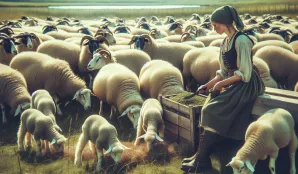
Image that illustrates What does a sheep farmer do? – Tasks and work environment
What does a sheep farmer do? – Tasks and work environment

A sheep farmer is responsible for the daily care and breeding of sheep, focusing on both animal welfare and the production of meat, wool, and sometimes milk. Tasks include feeding, cleaning stables, health checks, lambing, wool shearing, and maintaining pastures and fences. The job requires presence outdoors in varying weather conditions and often involves physically demanding work. Many sheep farms are small-scale and run as family businesses, which can lead to irregular and sometimes long working hours, especially during lambing season.

Read more ->
Image that illustrates What does a Färdtjänstsamordnare do? – Tasks and Work Environment
What does a Färdtjänstsamordnare do? – Tasks and Work Environment

A Färdtjänstsamordnare works with planning, coordinating, and administering transport services for individuals with special needs. The main task is to ensure that travelers have access to adapted transportation according to applicable regulations and individual needs. The work involves contact with travelers, drivers, and transport companies, as well as handling bookings, schedule changes, and urgent re-planning. Often, the work takes place in an office environment where phone and digital systems are important tools, but there are also elements of customer contact and collaboration with various actors within public transport and social services.

Read more ->