News and articles
- Home
- Articles

Latest posts

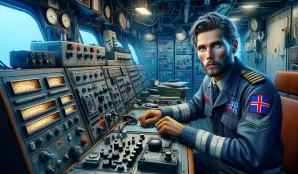
A ship electrician is responsible for the installation, maintenance, and repair of electrical systems onboard ships. Tasks include troubleshooting electrical systems, servicing generators and engines, and managing control and monitoring systems. The work is often carried out in engine rooms, confined spaces, and environments with high safety standards, where access to spare parts and tools may be limited. The profession requires precision, technical understanding, and the ability to work independently under pressure, especially at sea where quick interventions can be critical for the safety of the vessel.
Read more ->
A Fresh Food Manager is responsible for leading and developing the fresh food department in a store, often within grocery retail. Tasks include purchasing, assortment planning, staff management, quality assurance, and customer service. The role involves close collaboration with suppliers, colleagues, and customers to ensure the department offers attractive and fresh products. The working environment is characterized by a high pace, varied tasks, and clear responsibility for both results and team well-being.
Read more ->-
Opinion Polls: Kantar-Sifo shows increased support for S, decline for SD and C
Fri, 13 Feb 2026 - 01:35 -
Policy rate remains at 1.75% – Riksbank signals stability
Thu, 29 Jan 2026 - 14:02
A sheep farmer is responsible for the daily care of sheep and lambs on farms and rural properties. Tasks include feeding, watering, caring for barns and pastures, monitoring animal health, as well as assisting during lambing and other critical periods. Additional duties involve shearing, tagging, weighing, and sometimes basic veterinary procedures. The work environment is characterized by outdoor work year-round, often in changing weather, with physically demanding tasks such as heavy lifting and long working hours during lambing season. At the same time, the profession offers proximity to animals and nature, which many find rewarding.
Read more ->
A pharmacologist in clinical practice studies and analyzes how medicines affect humans, especially in connection with disease treatment. Tasks often include planning and conducting clinical trials, evaluating drug effects and side effects, and optimizing medication use within healthcare. The work is usually carried out in close collaboration with doctors, researchers, and other specialists at hospitals, universities, or within the pharmaceutical industry. The work environment is often dynamic and demands high levels of analytical ability, precision, and communication skills.
Read more ->
A pharmaceutical operator works to monitor and operate machines that manufacture medicines and other pharmaceutical products. Tasks include starting, monitoring, and adjusting production equipment, inspecting raw materials, performing quality checks, and documenting production data according to strict procedures. The work environment is often a laboratory or factory setting, with high demands for hygiene, safety, and precision. Shift work and teamwork are common, where clear communication and focus on quality are essential to maintain product safety.
Read more ->
A pharmacist, pharmacy technician mainly works with dispensing medications, advising patients on medication use, and ensuring the correct medicine is provided properly. Tasks also include checking prescriptions, medication reviews, and contact with both customers and healthcare staff. The role involves significant responsibility for patient safety, requiring accuracy and good communication skills. The work is primarily conducted at pharmacies, but also within health centers, hospitals, or the pharmaceutical industry.
Read more ->
A pharmacist, apothecary is responsible for ensuring the safe and correct handling of medicines, as well as providing advice to customers and patients on medication use. Tasks include dispensing prescriptions, providing information about medicines and their side effects, and working with quality assurance and drug development within pharmacies, hospitals, and the pharmaceutical industry. The work environment is often clinical or laboratory-based, but customer contact and teamwork are also common, especially in pharmacy settings where service and communication are central to the profession.
Read more ->
A Färjvakt is responsible for safety and efficiency during the operation of ferries that transport vehicles and passengers across water routes. Tasks include supervising loading and unloading, assisting with mooring, and managing communication with passengers and crew. The role also involves regular checks of safety equipment and following emergency procedures. Färjvakter often work outdoors, sometimes in challenging weather conditions, and shift work is common to cover the ferry's operating hours.
Read more ->
A Färgtappare primarily works within the chemical industry and is responsible for monitoring and managing processes where dyes are produced, mixed, and packaged. The job involves controlling machines and automated systems to ensure safe and efficient production. Precision is required when sampling, adjusting mixtures, and documenting production data. The work environment is often industrial, meaning work takes place in production facilities where safety regulations and protective equipment are a natural part of daily life.
Read more ->
A Färgrivare primarily works within the chemical industry and is responsible for preparing, mixing, and monitoring color and pigment solutions used in various manufacturing processes. Tasks include precise weighing and dosing of chemicals, as well as machine and process control to ensure the final product maintains the correct quality and color shade. Färgrivare often work in production facilities with high safety, accuracy, and routine compliance requirements. The work environment can be noisy and require protective equipment, and shifts are common, including day and night shifts.
Read more ->