News and articles
- Home
- Articles

Latest posts
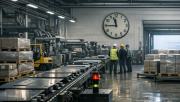
A warehouse manager is responsible for leading, planning, and optimizing operations at a warehouse or terminal. Tasks often include receiving, storing, and distributing goods, inventory management, and handling inbound and outbound deliveries. The warehouse manager plays a central role in ensuring that logistics flows operate efficiently, and that work environment and safety routines are followed. The profession typically involves coordinating staff, communicating with suppliers and transporters, and working with digital warehouse management systems. The work environment is often physically active, but the role also requires administrative skills and leadership.
Read more ->
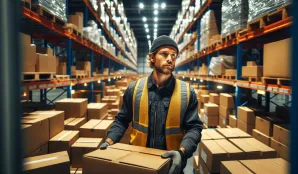
Warehouse clerks work with receiving, storing, and picking goods in various types of storage facilities. Typical tasks include accepting deliveries, checking and registering goods, as well as picking and packing items for dispatch. The profession often involves working with forklifts and other warehouse tools. The work environment is usually physical and can involve heavy lifting and working in different temperatures, depending on the warehouse's focus. Organization, accuracy, and the ability to work efficiently are central qualities in the role of a warehouse clerk.
Read more ->-
Opinion Poll Status Novus: Unchanged Support – Social Democrats Largest
Wed, 19 Nov 2025 - 08:35 -
The National Debt – Level, Development, and Significance for Sweden
Wed, 8 Oct 2025 - 08:00
A warehouse manager is responsible for the daily operations and organization of warehouse activities. Core tasks include planning of goods receipt, storage, inventory, personnel management, and logistics planning. The role often involves supervising workflows, optimizing storage space, and ensuring compliance with safety regulations. The warehouse manager acts as a link between management and warehouse staff, with responsibility for meeting deadlines and quality standards. The work environment is typically dynamic and can be both physical and administrative, with tasks alternating between office work and presence in the warehouse.
Read more ->
A Warehouse Clerk is responsible for receiving, storing, picking, and dispatching goods within warehouse and terminal operations. Tasks often include order picking, inventory, loading and unloading goods, and ensuring the warehouse remains organized and efficient. Warehouse Clerks work both independently and in teams, often using forklifts and other technical aids to handle heavy or bulky items. The work environment can vary from large, automated warehouses to smaller operations, and work is usually indoors but may sometimes include outdoor elements. The pace is often high, and accuracy is crucial to ensure the right goods reach customers and recipients on time.
Read more ->
Warehouse workers specializing in forklift driving primarily handle, move, and store goods at warehouses, terminals, and distribution centers. The work involves receiving, inspecting, and registering goods, picking orders, and ensuring the correct products are shipped to customers or stores. Forklift operators use various types of forklifts, such as counterbalance trucks, reach trucks, and order pickers, to streamline material flows and organize the warehouse environment. The work environment is often characterized by a fast pace, varying working hours, and good physical condition requirements, but also clear safety routines and collaboration with colleagues in logistics and transportation.
Read more ->
A Warehouse Assistant primarily handles receiving, inspecting, registering, and organizing goods within warehouse and terminal operations. Daily tasks also include picking and packing orders, inventory counting, and managing incoming and outgoing deliveries. The work environment is often characterized by a fast pace, physical activity, and the use of technical tools such as forklifts and digital warehouse systems. Warehouse Assistants are found across various industries, from retail and e-commerce to logistics companies and manufacturing, where accuracy and teamwork are crucial for ensuring an efficient warehouse flow.
Read more ->
Warehouse workers are responsible for receiving, handling, storing, and dispatching goods within various types of warehouses and terminals. Tasks may include picking and packing orders, registering goods in data systems, loading and unloading cargo, and using forklifts or other lifting aids. The work environment is often physical and can involve heavy lifting, shift work, and sometimes cold or noisy conditions. Efficiency, accuracy, and teamwork are crucial to ensure smooth flow of goods and timely deliveries to customers.
Read more ->
Warehouse workers in manual goods handling are responsible for receiving, inspecting, storing, and distributing goods at warehouses, distribution centers, or terminals. Tasks often include loading and unloading, picking and packing orders, and inventory management. The work is mainly manual, involving heavy lifting and physical activity as a natural part of the workday. Equipment like forklifts is often used, but many tasks still require manual effort and precision. The work environment can vary depending on the season, warehouse size, and industry, but the pace is often high, and teamwork is crucial for efficient logistics operations.
Read more ->
A customer service assistant in a store is responsible for greeting customers, answering questions, and resolving issues related to purchases or services. Tasks often include providing product information, handling complaints, processing returns, and guiding customers to the right department or product. Many stores also involve administration of customer clubs, gift cards, and other store-specific services. The work environment is usually dynamic and social, with close contact with both customers and colleagues. The pace can vary depending on the season, campaigns, and customer flow, and the profession requires flexibility and a service-minded attitude.
Read more ->
An office cleaner is responsible for keeping workplaces clean, pleasant, and hygienic. Daily tasks include dusting, emptying trash bins, vacuuming, mopping floors, and cleaning toilets and kitchen areas. Filling consumables and sometimes light window cleaning are also included. The work takes place in office environments where precision and discretion are highly valued. Office cleaners often work early mornings or late evenings to avoid disturbing regular operations, which can mean varying working hours.
Read more ->