News and articles
- Home
- Articles






Latest posts

A cloakroom attendant is responsible for receiving, storing, and returning outerwear and belongings to guests at events, theaters, concerts, restaurants, or other public venues. The profession often involves direct contact with visitors where service skills and attentiveness are key qualities. The work environment can vary—from busy periods during large events to quieter times with fewer visitors. Cloakroom attendants often work evenings and weekends, sometimes in teams, and are expected to handle stressful situations professionally.
Read more ->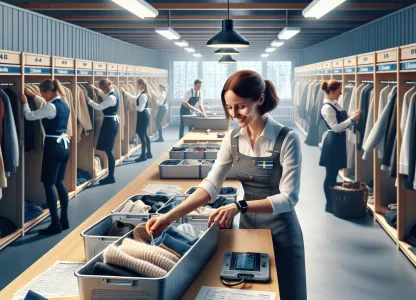
A wardrobe attendant primarily works with receiving, storing, and returning guests' outerwear and valuables at various events, theaters, concert halls, or entertainment venues. Tasks also include maintaining order and safety in the wardrobe area, handling payments, and providing service and information to visitors. The work environment often features a high pace, especially during larger events, requiring social skills and stress tolerance. Wardrobe attendants typically have varied working hours, often in the evenings and on weekends, depending on the nature of the events.
Read more ->-

Opinion Polls: Kantar-Sifo shows increased support for S, decline for SD and C
Fri, 13 Feb 2026 - 01:35 -

Policy rate remains at 1.75% – Riksbank signals stability
Thu, 29 Jan 2026 - 14:02

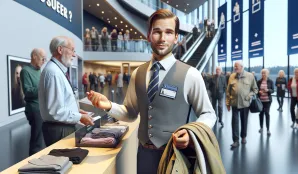
A cloakroom attendant is responsible for receiving, storing, and returning outerwear and belongings to visitors at venues such as theaters, concert halls, nightclubs, or event arenas. Tasks include organizing and labeling submitted garments, managing receipt systems, and sometimes handling payments for the service. Work often takes place in environments with many people and varying pace, where service skills and accuracy are crucial. Cloakroom attendants often work long shifts and need to handle both stressful periods and calmer moments with the same professionalism.
Read more ->
A wardrobe attendant is responsible for receiving, storing, and returning outerwear and belongings to visitors at venues such as theaters, concert halls, restaurants, or event spaces. The role often involves direct contact with guests, requiring both service skills and attention to detail. The work environment is typically social and can be both stationary and mobile, often in settings with a high pace and varying noise levels. Wardrobe attendants often work evenings and weekends when events and public activities are at their peak.
Read more ->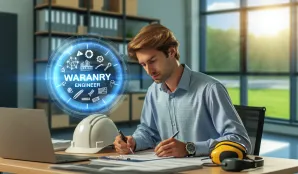
A warranty engineer in the construction industry is responsible for ensuring that construction projects meet agreed warranty requirements and technical specifications after completion. Common tasks include handling claims, performing technical evaluations, and coordinating measures between contractors, clients, and suppliers. The role requires meticulous documentation of warranty issues, follow-up on defect reports, and close collaboration with project management and technical experts. The work environment is often a mix of office work and site visits at construction sites, meaning the warranty engineer moves between meetings, inspections, and administrative tasks.
Read more ->
A warranty case officer is responsible for managing and administering warranty claims for products or services, often on behalf of manufacturers, resellers, or insurance companies. Tasks include receiving and reviewing warranty requests, communicating with customers and suppliers, and making decisions to approve or deny applications. The role requires careful documentation and the ability to interpret agreements and terms. The work mainly takes place in an office environment, often at a computer and phone, with collaboration with colleagues in customer service and technical support common. Warranty case officers belong to the customer service profession, meaning contact with customers and case handling occurs at a high pace with high service demands.
Read more ->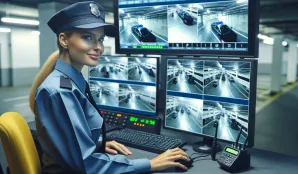
A Garagevakt is responsible for safety and order in parking facilities, garages, and similar environments. The profession involves monitoring vehicles and people, preventing theft and vandalism, and handling incidents that may occur in environments with many vehicles and individuals. Tasks also include patrolling, managing technical surveillance systems, and sometimes contacting customers or property owners. The work is often shift-based, which can include evenings and weekends. The work environment varies between indoor settings in larger parking garages and outdoor areas, requiring vigilance and the ability to act quickly when needed.
Read more ->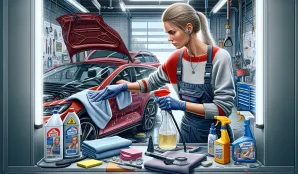
A garage assistant mainly works with washing, reconditioning, and servicing vehicles in various garages, car dealerships, or service centers. Tasks can include everything from washing and waxing cars to changing tires, vacuuming interiors, topping up fluids, and sometimes basic maintenance. Many garage assistants handle both manual and machine work, and the working environment is often physically demanding with elements of heavy lifting, chemicals, and noise. The work is often performed in teams, and the pace can be high, especially during periods of high demand for car services, such as tire changes before winter or summer seasons.
Read more ->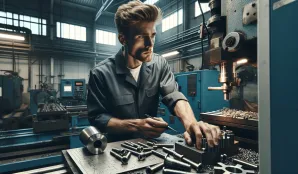
A Gängfräsare works with metal processing by creating threads in workpieces using advanced milling machines. The profession requires precision and technical knowledge, as machines are often programmed and monitored to ensure high quality in production. The work environment is largely workshop-based, with proximity to machines, metal shavings, and sometimes noisy environments. Safety routines and attention to detail are central to daily work, which can range from prototype production to series manufacturing within industrial production.
Read more ->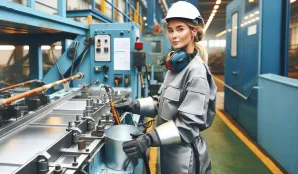
A Galvanisatör works with surface treatment of metals by applying a protective coating, usually zinc, to prevent corrosion and rust. The tasks include preparing metal surfaces, monitoring the galvanizing process, and ensuring that the final quality meets standards. The work often takes place in an industrial environment, where safety routines and precision are essential. Galvanisatörer handle chemicals and operate various machines, requiring both technical understanding and good physical condition.
Read more ->