News and articles
- Home
- Articles

Latest posts
A development engineer in chemistry works on developing, improving, and optimizing chemical products, processes, or materials. Tasks often include research and development in laboratory environments, analysis of chemical processes, testing new methods, and implementing innovations into production. Many work in teams with other engineers, researchers, and production technicians, requiring good collaboration and communication skills. The work environment can range from advanced laboratories to office settings, depending on the project phase and employer focus. Safety is central, especially when handling chemicals and process equipment.
Read more ->
A development engineer in electronics works on designing, improving, and quality-assuring electronic products and systems. Tasks can include circuit board design, hardware testing, embedded system programming, and technical documentation. Typical employers are technology companies in industry, telecommunications, automotive, and medical technology. The work is often project-based, collaborating with other engineers and specialists, where creativity and problem-solving skills are important. The work environment is usually office-based but can also involve laboratory work, site visits, or field testing.
Read more ->-
Opinion Poll Status Novus: Unchanged Support – Social Democrats Largest
Wed, 19 Nov 2025 - 08:35
A Development Manager in electrical power is responsible for leading and coordinating development projects within electrical engineering fields, with a particular focus on operation, maintenance, and innovation within the energy sector. Tasks include strategic planning, technical project management, resource allocation, and collaboration with both internal teams and external stakeholders. The role often involves identifying new technical solutions, optimizing existing processes, and ensuring compliance with laws and industry standards. The work environment is usually office-based but may also include visits to production facilities and meetings with partners. High demands are placed on leadership, communication skills, and technical expertise.
Read more ->
An exhibition host primarily works with welcoming and guiding visitors at museums, art galleries, exhibitions, and other cultural events. The tasks include providing information about the exhibition, answering questions, supervising the premises, and ensuring visitors have a positive and safe experience. It often involves handling simple administrative tasks, receiving bookings, and sometimes conducting guided tours for groups. The work environment is social and outward-facing, with significant variation depending on the organization's focus and size. Many exhibition hosts work shifts, including weekends and evenings, to cover opening hours when most visitors come.
Read more ->
An exhibition technician is responsible for building, installing, and maintaining exhibitions at museums, galleries, fairs, and other public venues. Tasks include assembling display cases and lighting, handling audio-visual equipment technically, and ensuring that exhibit objects are handled correctly and safely. The work environment varies between workshops, exhibition spaces, and sometimes transportation, with both independent work and collaboration with colleagues and exhibition producers common. Physical work, precision, and attention to detail are central parts of the profession.
Read more ->
An exhibition producer is responsible for planning, coordinating, and executing exhibitions within museums, art galleries, event venues, and other cultural institutions. Tasks include concept development, budget management, logistics, leading workgroups, and collaborating with artists, designers, and technical staff. The role often requires navigating between creative and administrative duties, ensuring that the exhibition meets both artistic and practical requirements. The work environment varies from office settings to exhibition spaces and may involve working at inconvenient hours during openings or dismantling of exhibitions.
Read more ->
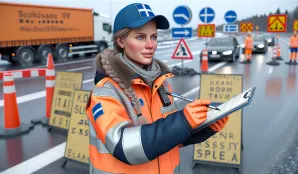
A staking technician in construction and civil engineering plays a crucial role in ensuring that construction projects are carried out correctly according to drawings and technical specifications. The profession involves measuring out and marking exact positions for building components, roads, or facilities on-site, often using advanced measurement equipment and digital tools. The work environment is varied and can include everything from office work to outdoor work at construction sites, sometimes under tough weather conditions. Attention to detail and good communication skills are important qualities, as the staking technician collaborates with designers, site managers, and construction workers to ensure that different parts of the project are correctly positioned.
Read more ->
An equipment engineer in construction is responsible for planning, development, and management of technical systems and equipment at construction sites. The role often involves evaluating, sizing, and leading the installation of machinery and technical solutions used in the construction of everything from residential buildings to infrastructure projects. Tasks range from design and technical calculations to quality control and coordination between different trades on the construction site. The work environment includes both office tasks and field presence, requiring flexibility and good communication skills.
Read more ->
A deployment technician primarily works with planning, executing, and following up on technical rollouts of IT systems, network equipment, or software within companies and organizations. Tasks often include installation, configuration, and testing of new systems, as well as troubleshooting and support during and after deployment. The role also involves documenting work, coordinating with other technicians, and communicating with clients to ensure that implementation meets the organization's needs. Deployment technicians typically operate in a combination of office environments and on-site at customer locations, requiring both technical skills and good communication abilities.
Read more ->
A research secretary in an interest organization is responsible for collecting, analyzing, and presenting information that supports the organization's interests and influence. Tasks often include preparing reports, participating in consultation processes, drafting opinions, and monitoring societal developments in relevant areas. The work is usually carried out in close collaboration with colleagues from different departments, experts, and external partners. The environment is typically office-based, and the pace can be high, especially around political announcements or when handling important consultations. Research secretaries often work in larger cities where many national interest organizations are headquartered, and the work environment is characterized by analytical tasks, meetings, and deadlines.
Read more ->