How Gambling on Foreign Betting Sites Affects Your Finances
- Articles
- Tips

Tips
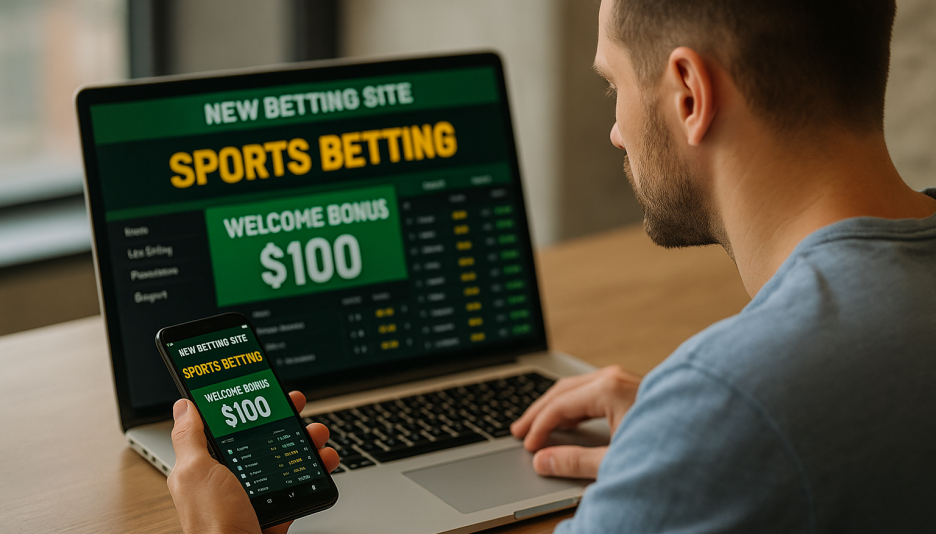

How Gambling Affects Your Wallet
For many who follow interest rates, loans, and household budgets on Statsskuld.se, the phrase "new betting sites without Swedish license" appears as part of a larger trend: more international betting companies are launching quick, mobile-optimized platforms with more flexible promotions than Swedish ones. The question for a financially conscious reader is not whether it is allowed to gamble (it is permitted to use foreign licenses), but how it impacts your net income, the risk of liquidity shortages, and your debt situation.
What Do New Betting Sites Without a Swedish License Mean?
After the Gaming Act of 2019, Swedish operators must hold a license from the Swedish Gambling Authority, be connected to Spelpaus, and adhere to bonus restrictions. New international sites operate under different licenses, often within the EU/EEA (Malta, Estonia) but also outside (e.g., Curacao). They are not connected to Spelpaus and can therefore offer more bonus formats, more payment options, and sometimes higher odds. This makes the experience freer – but also more dependent on your own setting of limits for budget, time, and risk.
Why Do “New” Operators Appeal – and What Does It Mean for the Economy?
Newcomers aim to gain market share and therefore compete with more generous campaigns, smoother registration, and quick apps. For the user, it may seem like a better product. However, from a household economy perspective, the conditions matter most: how high the turnover requirements are, which markets can be used, how long the deadline is, and what payment and currency exchange fees are. Two bonuses that look similar on the surface can result in completely different net outcomes.
Think in terms of a simple income statement: bonus value minus expected margin loss during turnover, minus payment and currency exchange costs, and where applicable, taxes. If the conditions force you to play on markets with high house margins, the actual payout decreases, and the bonus “eats itself up.”
Bonuses and Promotions – Calculate the Net, Not the Headline
Swedish licenses generally allow one welcome bonus per player; new international sites can offer welcome packages, reloads, free spins, cashback, and VIP programs. These may look like extra capital, but turnover requirements, minimum odds, maximum bets, and time limits determine what remains once you’re done. A “big” bonus with high requirements and narrow markets often results in a low net, especially if you also pay currency exchange (EUR/USD), withdrawal fees, or are slowed down by lengthy KYC processes that tie up capital.
Odds and Game Selection – Not a Shortcut to Returns
Higher odds seem like a better “price” for the same risk, but only if you actually get to play on markets with low margins. Many conditions exclude the best markets during bonus periods. A large game selection (football, hockey, tennis, e-sports, virtual sports) is entertaining but does not change the fundamental economics: the house margin is the cost you always bear, similar to fund fees in savings.
Live Betting and Pace – When Speed Becomes a Cost
New sites often promote live betting, cash out, and streaming. This increases the pace and the risk of playing more than planned. In household terms, higher pace means more decisions, more transactions, and greater variation. If your goal is a stable net, live betting should be within strictly predefined limits; otherwise, the variance quickly erodes any campaign advantages.
Payment Methods and Crypto – Friction That Eats Margins
International platforms usually offer Skrill, Neteller, MiFinity, cards, bank transfers, and sometimes cryptocurrencies. The advantage is speed; the downside is fees and currency exchange. Playing in euros or dollars can cost a few percent in double exchange (in and out). Small percentages become significant when multiplied by the entire turnover requirement. Additionally, the first withdrawal often takes longer due to identity verification – capital that is held up waiting for verification is a liquidity cost.
Registration and Simplicity – Smooth Flow, but Unlocking Withdrawals Takes Time
Flexible registration (email + password or immediate deposit) speeds up the start. But expect KYC when you want to withdraw funds. A good tip is to verify your identity and make a small test withdrawal before increasing stakes, so you know the process works and your capital isn’t stuck when you need it.
Tax Rules – Affect Your Final Result
Winnings from EU/EEA-licensed companies are usually tax-free for Swedish players. Winnings from operators outside the EU/EEA are generally taxable and must be declared in Sweden. Taxes directly impact your net returns after costs and can turn a “good” campaign into a mediocre one when everything is summed up. Save your betting history, deposit, and withdrawal documentation, and note the license country – just as carefully as you would with interest and dividend documentation in your portfolio.
Security and Licenses – Choose Gambling Sites with Clear Frameworks
Established licenses like Malta Gaming Authority and Estonia’s equivalent impose requirements for fair play, separation of customer funds, complaint processes, and data protection. New operators need to build trust and often signal this with open license numbers, clear terms, and accessible customer service. Lack of transparency is a warning sign – just like an unclear investment prospectus.
Budget, Debt Risk, and Everyday Finances
From the perspective of the National Debt Office, these three questions are central: does gambling affect your buffer, do you risk liquidity shortages during the month, and is there any form of credit financing involved? Gambling should never be financed with loans; interest combined with variance is a weak calculation. Separate a small gambling fund from your salary and bill accounts, set a maximum level per month, and stick to it regardless of campaigns. If you already manage installment plans, payday loans, or payment defaults, it’s wise to abstain – your financial room is needed to stabilize your debt situation.
Warning Signs to Take Seriously
If gambling begins to replace essential expenses, if you “chase losses,” or if you use credit to gamble, your finances have left the entertainment zone. Pause, close accounts, use site limits, and focus on strengthening your buffer and amortization. This will have the fastest effect on your debt curve and reduce daily stress.
Overall Picture for Statsskuld.se Readers
New betting sites without Swedish licenses often deliver better technology, more campaigns, and sometimes higher odds. But for household finances, the details matter most: license country (tax), conditions (turnover requirements and markets), payment flows (fees and exchange rates), and your own risk framework. Treat each offer as a financial product: read the fine print, calculate the net after costs, plan your liquidity, and compare it to alternative uses of capital – amortization, savings buffer, index funds, or interest accounts. If the numbers still look positive, the timing is right, and your budget holds, gambling can be a choice within your entertainment allowance. Otherwise, it’s better for both debt levels and peace of mind to pass on the campaign and let the money work in your balance sheet instead.
Register an account before you can comment









2,10 %
-0.2%
1.75 %
0%
Sweden's national debt
1 163 102 427 951KR
Latest posts
-

Ipsos Opinion: Stable situation, Liberals still below threshold
Wed, 25 Mar 2026 - 19:35 -

Save Big with Vimla – Mobile Plan for 20 SEK/Month + 100 GB Extra Data
Wed, 4 Mar 2026 - 22:00
Read more


