Municipality
- Articles
- Municipality

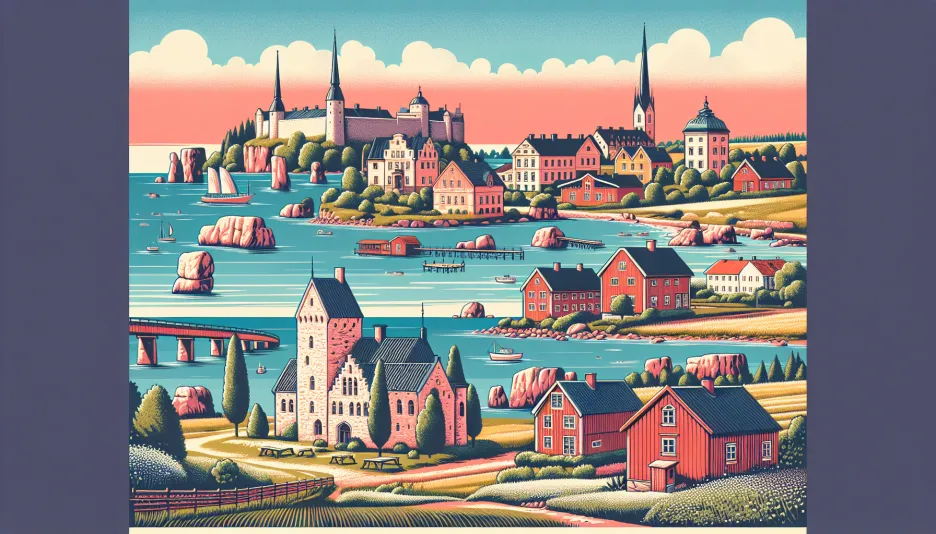
Gotland Municipality – facts, statistics, and insights
Gotland Municipality is unique in Sweden – the entire island constitutes a single municipality. Its location in the middle of the Baltic Sea, distinctive nature, and the historic town of Visby attract both residents and thousands of visitors each year. Here, a mix of small-town vibrancy, rural landscapes, and a strong local identity blend with medieval walls, digital entrepreneurship, and modern societal issues.
Population and Demographics
Gotland has just over 60,000 inhabitants, making it one of the smaller municipalities in terms of population – but among the larger in terms of area. Visby is the central locality, housing nearly half of the island’s population, while the rest live in smaller communities and rural areas. The population tends to be slightly older than the national average, and Gotland is known for attracting returnees, many families with children, and entrepreneurs seeking quality of life outside the big cities.
The typical Gotlander is close to the sea, nature, and local cultural offerings. During summer, the population often doubles due to tourists, creating a unique dynamic for both public services and businesses.
It is fascinating how Gotland manages to combine its small-scale everyday life with enormous summer tourism – a challenge that demands high levels of service and flexibility.
Tax, Welfare, and Municipal Services
The municipal tax rate on Gotland is 33.6%, slightly above the national average. Since Gotland is a so-called regional municipality, it is responsible for both traditional municipal tasks and functions typically handled by regions, such as healthcare and public transportation. There is no separate county council tax, and the burial fee is 0.29%. Members of the Church of Sweden also pay a church fee of 1.89%.
Tax revenues fund everything from schools, elder care, and health centers to roads, cultural activities, and public transport. Providing equitable services across the island, where distances can be large but community bonds strong, is particularly challenging. The municipality invests heavily in digitalization and smart solutions to reach even smaller communities.
- Municipal tax: 33.6%
- County council tax: 0%
- Burial fee: 0.29%
- Church fee: 1.89% (for members)
Economy and Labor Market
Gotland’s economy is diverse: a strong public sector, growing private enterprise, and a thriving tourism industry. Many residents work in tourism, retail, healthcare, and education, but agriculture and food production also play a key role. During summer, employment increases significantly due to tourism, while winter tends to be quieter. Unemployment is close to the national average, with clear seasonal variations.
Entrepreneurship is vital to Gotland’s society, and the island is known for its many small businesses and creative ventures – especially in food, crafts, and digital services. Proximity to Stockholm via ferry and flights also facilitates business and remote work opportunities.
Education, Business, and Future Outlook
Gotland offers elementary schools, high schools, and Campus Gotland – a branch of Uppsala University providing a broad range of higher education programs. This enables young people to stay on the island for studies and contributes to a vibrant student life, especially in Visby.
The local economy is small-scale but innovative. Companies operate within IT, sustainable energy, food, and tourism sectors. The municipality actively works to attract new businesses and develop sustainable solutions. Many newcomers appreciate the balance between work and leisure, with access to nature and opportunities for both career development and quality of life.
Geography and Attractions
Gotland is Sweden’s largest island, known for its dramatic coastlines, sea stacks, sandy beaches, and unique light. Visby, with its medieval walls and cobblestone streets, is a UNESCO World Heritage Site and attracts visitors from around the world. Outside the city, fishing villages, meadows, forests, and over 800 kilometers of coastline await. The island hosts Sweden’s largest medieval week, Almedalen Week, and numerous cultural and natural experiences year-round.
- Visby – UNESCO World Heritage City and hub for culture, education, and entertainment
- Sea stacks at Fårö and Lilla Varholmen
- Unique sandy beaches and cycling routes
- Storsudret and authentic Gotlandic farm cafés
FAQ about Gotland Municipality
- What is the municipal tax rate on Gotland?
The municipal tax rate is 33.6%. There is no separate county council tax. - How many people live on Gotland?
Just over 60,000 people are registered residents on Gotland. - Who are the largest employers?
The public sector (municipality and region), retail, tourism, and agriculture are major employers. - What is unique about Gotland as a municipality?
The entire island is one municipality, combining small-town life, nature, and a vibrant cultural scene with high summer tourism. - What educational opportunities are available?
Elementary schools, high schools, and Campus Gotland (Uppsala University) are located on the island.









Sweden's national debt


