Municipality
- Articles
- Municipality

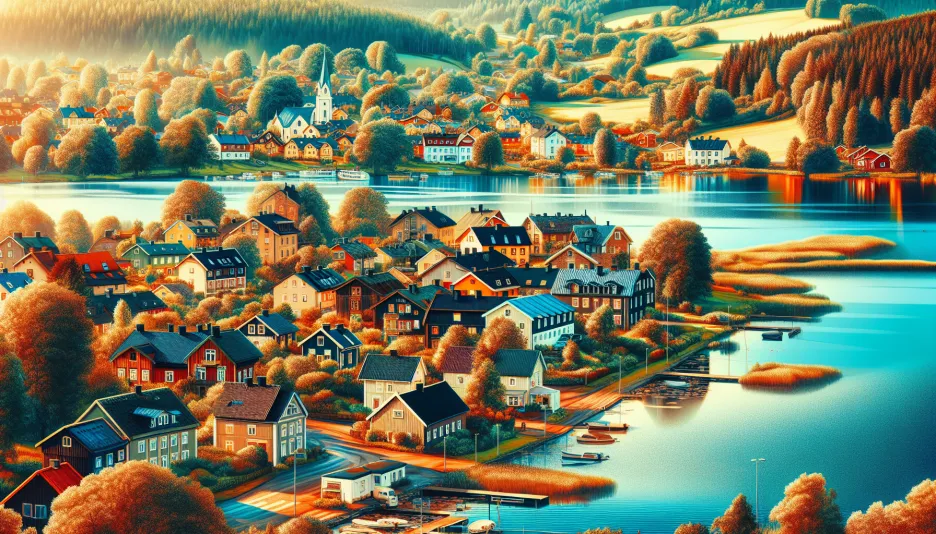
Gnesta Municipality – facts, statistics, and insights
Gnesta Municipality is a small but vibrant gem in the heart of Sörmland. With its strategic location between Stockholm and Nyköping, the municipality attracts both commuters and nature lovers. Here, the tranquility of small-town life combines with the opportunities of the city, reflected in both population structure and local industry.
Population and Demographics
Gnesta has a steadily growing population in recent years. Many young families have chosen to settle here, attracted by safe residential areas, proximity to nature, and good transportation links. The municipality has a diverse age structure, where both families with children and seniors find a comfortable environment.
In-migration from Stockholm and other parts of the country has contributed to a clear growth profile. The increasing population creates demands for services and infrastructure but also energizes the community with optimism and future prospects.
It is fascinating how Gnesta manages to combine the closeness of small-town life with the attractiveness of the city – a balance evident in both its population and business climate.
Tax, Welfare, and Municipal Services
Gnesta's municipal tax rate is 22.12%, which together with the county council tax (10.83%) results in a total tax burden of 32.95% – excluding church fee. Additionally, there is a mandatory funeral fee of 0.29%, and members of the Church of Sweden pay a church fee of 1.4%.
The tax revenues are used to fund schools, elder care, preschools, social services, and leisure activities. Investments in safety, childcare, and elder care are clear priorities. Gnesta has maintained a high level of service despite its relatively small size but faces challenges as the population grows.
- Schools and childcare constitute a large part of the budget
- Elder care is well-developed and tailored to needs
- Associations and recreational facilities receive support to enhance quality of life
Economy and Labor Market
Gnesta's local industry is small-scale but growing, with many local companies in construction, retail, services, and agriculture. The municipality’s role as a commuter town is prominent – many residents work in Stockholm, Södertälje, or Nyköping, giving Gnesta a unique labor market dynamic.
There is also increasing interest in starting businesses locally, especially within green industries and crafts. The municipality actively works to attract new enterprises and create more local jobs, including through business councils and support programs.
- Commuting to larger cities is common among residents
- Small business and entrepreneurship are encouraged
- Strong ties to Sörmland's agricultural and food production traditions
Geography and Attractions
Gnesta is known for its scenic environment with lakes, forests, and open landscapes. The location by Lake Frösjön is popular among swimmers and outdoor enthusiasts, offering fine hiking trails and cycling paths. The municipality has also gained fame through the film “The Boy in the Grave,” which was filmed here.
The Gnesta train station makes it easy to travel to and from Stockholm, which is a crucial factor for many choosing to live here. The town center features charming cafes, small shops, and cultural activities – proof that small-scale living can be both attractive and lively.
- Popular beaches at Frösjön and Klämmingen
- Gnesta market and various cultural events attract visitors
- Historic buildings and beautiful farms characterize the landscape
FAQ – Frequently Asked Questions about Gnesta Municipality
- What is the municipal tax rate in Gnesta?
The municipal tax rate is 22.12%. The total tax burden excluding church fee is 32.95%. - What are the tax revenues used for?
The funds go to schools, healthcare, social services, childcare, leisure, and other community functions. - What is it like to live in Gnesta?
You get the security of small-town life, proximity to nature, and good commuting options to larger cities. - Who are the biggest employers?
The municipality itself, retail, service industries, and small businesses form the base, but many commute to other towns. - What is unique about Gnesta?
The blend of countryside, small-town charm, and proximity to the city – along with a strong local identity and culture.







Sweden's national debt
-

Ipsos Opinion: Stable situation, Liberals still below threshold
Wed, 25 Mar 2026 - 19:35 -

Save Big with Vimla – Mobile Plan for 20 SEK/Month + 100 GB Extra Data
Wed, 4 Mar 2026 - 22:00


