Municipality
- Articles
- Municipality

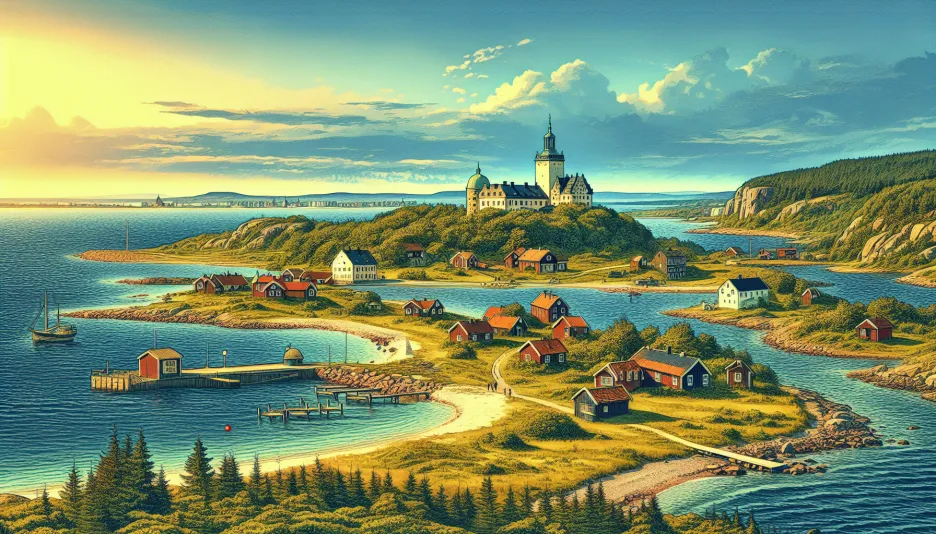
Varberg Municipality – facts, statistics, and insights
Varberg is a coastal gem in Halland that combines historical roots with a modern lifestyle. The municipality is known for its long sandy beach, the iconic cold bathhouse, and a growing population attracted by both surf waves and employment opportunities. Here, sea, city, and countryside meet – and it shows in everything from business to leisure activities.
Population and Demographics
Varberg’s population has steadily increased over a long period. The municipality has an attractive geographical location close to both Gothenburg and the Halland countryside. This makes Varberg a popular place for families with children, seniors, commuters, and entrepreneurs. The age structure is diverse, with a clear influx of young adults and families, creating a dynamic community atmosphere.
It is striking how Varberg manages to combine small-town community with large-town growth – a balance that few municipalities in Sweden handle so well.
Tax, Welfare, and Municipal Services
In Varberg, the total municipal tax rate is 20.33%, while the county council tax is 11.4%. Together, this results in a tax burden of 31.73% (excluding a church fee of 1.46%). The burial fee is 0.29%. Tax revenues are invested in everything from schools and elderly care to culture, leisure, and infrastructure.
Varberg is known for its investments in schools and childcare, but also for a well-developed primary healthcare system and a vibrant association life. The municipality faces similar challenges as many other growing areas: to expand services and infrastructure in line with population growth. At the same time, this creates opportunities for development and innovative welfare solutions.
Economy and Job Market
Varberg’s business sector is diverse and robust. Tourism, trade, construction, and the public sector are major employers, but there is also a growing tech and service sector. Its location along the E6 motorway and railway makes the municipality attractive for companies wanting quick access to Gothenburg and southern Sweden.
- Strong job market with lower unemployment compared to the national average.
- Several new business establishments, especially in logistics and services.
- Tourism makes a significant contribution, especially during the summer months.
Economically, Varberg remains stable, but the municipality invests heavily in new schools, residential areas, and infrastructure to meet future needs.
Education and Business
Educational opportunities are good in Varberg. There are both primary and secondary schools with a good reputation, as well as adult education and close cooperation with regional universities. The municipality aims to give young people a good start in life and attract skilled labor to the local business sector.
The business environment is characterized by small enterprises, but also some larger employers within the public sector, trade, and technology. Many entrepreneurs choose Varberg due to its natural surroundings and excellent communications.
Geography and Attractions
Varberg is perhaps best known for its long coastline and popular sandy beaches. The cold bathhouse, Varberg Fortress, and Apelviken attract visitors all year round. The municipality is also one of Sweden’s top surf destinations, which influences both urban life and the local economy.
- Long cycling paths and beautiful nature reserves for outdoor activities.
- Historical sites and a rich cultural scene.
- Easy to commute to and from – by train and car.
Whether you seek tranquility or the pulse of a growing community, Varberg offers a mix that few other Swedish municipalities can match.
FAQ – Common questions about Varberg Municipality
- What is the municipal tax rate in Varberg?
The municipal tax rate is 20.33%. Combined with the county council tax, the total tax burden is 31.73% (excluding church fee). - What is Varberg most known for?
Varberg is known for its coast, cold bathhouse, surfing culture, and the well-preserved fortress. - What does the job market look like?
Unemployment is low and the business sector is diverse, including tourism, trade, and technology companies. - What educational opportunities are available?
The municipality offers everything from primary school to adult education and has close cooperation with universities in the region. - What are the tax revenues used for?
They mainly go to schools, healthcare, social services, infrastructure, and culture.










Sweden's national debt
-

Ipsos Opinion: Stable situation, Liberals still below threshold
Wed, 25 Mar 2026 - 19:35 -

Save Big with Vimla – Mobile Plan for 20 SEK/Month + 100 GB Extra Data
Wed, 4 Mar 2026 - 22:00


