- Salary statistics
- Orthopedic assistant, manufacturing salary
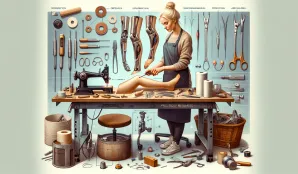
Orthopedic assistant, manufacturing salary
Latest available salary statistics are for 2025. Compare average pay, salary range and related job listings.
32 000 - 44 900 SEK / month
Women earn 82% of what men do.
Hantverksyrken
Related tools
Salary progression Orthopedic assistant, manufacturing
What does an orthopaedic assistant in manufacturing do? – Tasks and work environment
An orthopaedic assistant in manufacturing works with producing, customizing, and sometimes repairing orthopaedic aids such as prostheses, orthoses, and support bandages. The tasks involve creating products based on doctors' or orthopaedic engineers' instructions to support, correct, or replace body parts, thereby improving the patient's quality of life. The work is often carried out in a workshop environment with a mix of manual craftsmanship and machine processing of materials like plastic, metal, and textiles. The profession requires accuracy, a good eye for detail, and the ability to work ergonomically and hygienically, as the work sometimes involves patient contact during fittings or adjustments.
Salary development over time
The salary for an orthopaedic assistant in manufacturing has shown a stable and clearly upward trend over the past three years. In 2022, the average salary was 31,900 SEK per month, increasing to 34 800 SEK in 2023. In 2024, the average salary has continued to rise to 40 900 SEK, representing a total increase of approximately 9% over the three-year period. This salary development reflects an increased demand for skilled workers in fine mechanical professions and a general trend towards higher wages in technically advanced craftsmanship. Differences in education and experience also influence salary progression, as does the industry’s degree of innovation and technological development.
Orthopaedic assistant in manufacturing salary – comprehensive overview
- Average salary: 40 900 SEK/month
- Lowest salary: 28,300 SEK/month (female)
- Highest salary: 40,900 SEK/month (male)
- Hourly wage: 209 SEK
- Gender differences: Women earn an average of 28,300 SEK, men 41 600 SEK (women 82% of men's salary)
- Regional differences: No specific regional data available, but variations may occur depending on the labor market and the geographic location of orthopaedic clinics.
Education and qualifications
To work as an orthopaedic assistant in manufacturing, a high school education in technology or craftsmanship is usually required, often with specialization in fine mechanics or orthopaedic technology. Post-secondary courses and vocational higher education in orthopaedic technology are available and can be advantageous. Many employers also value practical experience from a workshop environment, and internships or traineeships are common during employment.
- High school education: Technology or craftsmanship programs with a focus on fine mechanics or orthopaedic technology (3 years)
- Post-secondary education: Vocational higher education in orthopaedic technology (1–2 years, meritorious but not always required)
- Practical experience: Internship or trainee position in an orthopaedic workshop is recommended
- Courses and certifications: Specialized courses in material science, ergonomics, and patient interaction can be beneficial
- Prerequisites: Good fine motor skills and technical interest
Many orthopaedic assistants in manufacturing have the opportunity to work closely with technicians and healthcare professionals, providing a unique insight into how technology and medicine collaborate to improve patients' everyday lives. The combination of practical craftsmanship and patient contact makes the profession unusually varied and socially stimulating.
Common benefits and compensations
Orthopaedic assistants in manufacturing are often offered benefits such as wellness allowances, work clothing, insurance, and sometimes opportunities for skills development through internal or external courses. Flexitime and some individual adjustment of working hours are also common, especially at larger workplaces. In some cases, extra compensation for unsocial hours or overtime may be provided.
Competition and challenges
The competition for positions as an orthopaedic assistant in manufacturing is generally moderate but can vary depending on the geographic area and the number of orthopaedic clinics. A challenge in the profession is technological development, which requires continuous further training and adaptation to new materials and methods. Physical strain, monotonous tasks, and the need for high precision can also be demanding. Access to internships and supervision affects the ability of recent graduates to enter the profession quickly. Since the profession belongs to the fine mechanics occupational group, specific statistics are sometimes hard to find, which can complicate salary negotiations and career planning.
Tips for those who want to become an orthopaedic assistant in manufacturing
To succeed as an orthopaedic assistant in manufacturing, it is important to be precise, patient, and genuinely interested in practical work. Developing good fine motor skills and working methodically facilitate the production of detailed orthopaedic aids. Curiosity and willingness to learn new materials and techniques are crucial as the industry develops rapidly. Collaboration and social skills are necessary since the role often involves contact with patients and colleagues from different professions. Flexibility and problem-solving ability are important qualities for handling unexpected challenges in production. Being attentive to ergonomics and work environment can help prevent strain injuries. Finally, an open mind for development and further education provides good conditions for a long-term career in the field.
Key facts about orthopaedic assistant in manufacturing
- Educational level: High school education with a focus on technology or craftsmanship, often supplemented with practical training
- Occupational group: Fine mechanic
- Work environment: Workshop environment, sometimes with patient contact
- Demand: 341 available jobs within the fine mechanic occupational group
- Gender differences: Women earn 82% of men's salaries in the profession
Career paths and future prospects
After three to five years in the profession, an orthopaedic assistant in manufacturing can advance to more specialized roles, such as orthopaedic technician or production supervisor. Further education and experience also open opportunities in research and development of new orthopaedic products or as trainers for new assistants. According to the Swedish Public Employment Service's forecasts, no specific assessment is made for the profession due to limited data, but there is ongoing demand within the fine mechanic occupational group, as indicated by the 341 available jobs. The industry is influenced by technological development and demographic changes, which may lead to increased demand for orthopaedic aids as the population ages. Related occupations include orthopaedic technicians, instrument makers, and medical technology engineers.
Frequently asked questions about orthopaedic assistants in manufacturing
- What does an orthopaedic assistant in manufacturing earn?
- The average salary is 40 900 SEK per month, but it varies depending on experience, gender, and education. - What are the gender differences in salary for an orthopaedic assistant in manufacturing?
- Men earn an average of 41 600 SEK, women 28,300 SEK; women earn approximately 82% of men's salaries. - What education is required to become an orthopaedic assistant in manufacturing?
- A high school education in technology or craftsmanship is recommended, preferably supplemented with internships or post-secondary specialization. - Are there many job opportunities for orthopaedic assistants in manufacturing?
- There are 341 available jobs according to the latest data. - What are the highest and lowest salaries for an orthopaedic assistant in manufacturing?
- The highest salary is 40,900 SEK (male), the lowest is 28,300 SEK (female). - Does the workplace location affect the salary for orthopaedic assistants?
- Regional differences exist, but specific statistics are lacking for this profession. - What are the future prospects for orthopaedic assistants in manufacturing?
- No exact forecast exists, but demand for skilled personnel is expected to remain stable.

Salary distributed by age and sector
| Age | Base salary | Monthly salary | |
|---|---|---|---|
| 18-24 | 29800 kr | 31500 kr | |
| 25-34 | 36700 kr | 39900 kr | |
| 35-44 | 37500 kr | 41400 kr | |
| 45-54 | 39200 kr | 41600 kr | |
| 55-64 | 39700 kr | 44500 kr | |
| Snitt | 82% | 37500 kr | 40900 kr |
| Age | Base salary | Monthly salary | |
|---|---|---|---|
| 18-24 | 89% | 30500 kr | 31700 kr |
| 25-34 | 92% | 35500 kr | 38200 kr |
| 35-44 | 83% | 36500 kr | 38900 kr |
| 45-54 | 94% | 37400 kr | 38100 kr |
| 55-64 | 99% | 37500 kr | 38600 kr |
| 65-68 | 37500 kr | 37500 kr | |
| Snitt | 88% | 35800 kr | 37500 kr |
| Age | Base salary | Monthly salary | |
|---|---|---|---|
| 18-24 | 89% | 30500 kr | 31700 kr |
| 25-34 | 92% | 35500 kr | 38200 kr |
| 35-44 | 83% | 36500 kr | 38900 kr |
| 45-54 | 94% | 37400 kr | 38100 kr |
| 55-64 | 99% | 37500 kr | 38600 kr |
| 65-68 | 37500 kr | 37500 kr | |
| Snitt | 88% | 35800 kr | 37500 kr |
| Age | Base salary | Monthly salary | |
|---|---|---|---|
| 25-34 | 37000 kr | 40400 kr | |
| 35-44 | 37700 kr | 41800 kr | |
| 45-54 | 39600 kr | 42400 kr | |
| 55-64 | 40300 kr | 45900 kr | |
| Snitt | 37900 kr | 41700 kr |
| Age | Base salary | Monthly salary | |
|---|---|---|---|
| 25-34 | 37000 kr | 40400 kr | |
| 35-44 | 37700 kr | 41800 kr | |
| 45-54 | 39600 kr | 42400 kr | |
| 55-64 | 40300 kr | 45900 kr | |
| Snitt | 37900 kr | 41700 kr |
| Age | Base salary | Monthly salary | |
|---|---|---|---|
| 25-34 | 37100 kr | 40500 kr | |
| 35-44 | 37900 kr | 42100 kr | |
| 45-54 | 39500 kr | 42100 kr | |
| 55-64 | 40200 kr | 45200 kr | |
| Snitt | 82% | 38000 kr | 41600 kr |
| Age | Base salary | Monthly salary | |
|---|---|---|---|
| 18-24 | 89% | 31600 kr | 33300 kr |
| 25-34 | 92% | 36400 kr | 39000 kr |
| 35-44 | 83% | 37000 kr | 39400 kr |
| 45-54 | 94% | 37600 kr | 38400 kr |
| 55-64 | 99% | 37600 kr | 38700 kr |
| 65-68 | 37500 kr | 37500 kr | |
| Snitt | 88% | 36600 kr | 38300 kr |
| Age | Base salary | Monthly salary | |
|---|---|---|---|
| 18-24 | 89% | 31600 kr | 33300 kr |
| 25-34 | 92% | 36400 kr | 39000 kr |
| 35-44 | 83% | 37000 kr | 39400 kr |
| 45-54 | 94% | 37600 kr | 38400 kr |
| 55-64 | 99% | 37600 kr | 38700 kr |
| 65-68 | 37500 kr | 37500 kr | |
| Snitt | 88% | 36600 kr | 38300 kr |
| Age | Base salary | Monthly salary | |
|---|---|---|---|
| 25-34 | 37300 kr | 40800 kr | |
| 35-44 | 38100 kr | 42600 kr | |
| 45-54 | 39900 kr | 42900 kr | |
| 55-64 | 40800 kr | 46800 kr | |
| Snitt | 38300 kr | 42400 kr |
| Age | Base salary | Monthly salary | |
|---|---|---|---|
| 25-34 | 37300 kr | 40800 kr | |
| 35-44 | 38100 kr | 42600 kr | |
| 45-54 | 39900 kr | 42900 kr | |
| 55-64 | 40800 kr | 46800 kr | |
| Snitt | 38300 kr | 42400 kr |
| Age | Base salary | Monthly salary | |
|---|---|---|---|
| Snitt | 82% | 33100 kr | 34100 kr |
| Age | Base salary | Monthly salary | |
|---|---|---|---|
| 18-24 | 89% | 29100 kr | 29500 kr |
| 25-34 | 92% | 32600 kr | 35900 kr |
| 35-44 | 83% | 30600 kr | 32900 kr |
| 45-54 | 94% | 35800 kr | 36100 kr |
| 55-64 | 99% | 36200 kr | 38200 kr |
| Snitt | 88% | 32000 kr | 33700 kr |
| Age | Base salary | Monthly salary | |
|---|---|---|---|
| 18-24 | 89% | 29100 kr | 29500 kr |
| 25-34 | 92% | 32600 kr | 35900 kr |
| 35-44 | 83% | 30600 kr | 32900 kr |
| 45-54 | 94% | 35800 kr | 36100 kr |
| 55-64 | 99% | 36200 kr | 38200 kr |
| Snitt | 88% | 32000 kr | 33700 kr |

About the data
All information displayed on this page is based on data from the Swedish Central Bureau of Statistics (SCB), the Swedish Tax Agency and the Swedish employment agency. Learn more about our data and data sources here.
All figures are gross salaries, meaning salaries before tax. The average salary, or mean salary, is calculated by adding up the total salary for all individuals within the profession and dividing it by the number of individuals. For specific job categories, we have also considered various criteria such as experience and education.
Profession Orthopedic assistant, manufacturing has the SSYK code 7311, which we use to match against the SCB database to obtain the latest salary statistics.
-
Dental Technician Wanted at Katrineholms Tandtekniska AB
Precision mechanics
Fri, 3 Jul 2026 - 23:03 -

Trained Watchmaker Wanted in Skellefteå – Key Role in a Growing Company
Precision mechanics
Thu, 2 Jul 2026 - 22:39



Compare salary, work tasks and job outlook in adjacent occupations to find roles with similar skills or pay levels.
-

Average salary: 40 900 SEK/month • Hantverksyrken
Precision mechanics
Compare with Orthopedic assistant, manufacturing
Tue, 14 Jul 2026 - 17:12 -

Average salary: 35 000 SEK/month • Hantverksyrken
Glass technicians
Compare with Orthopedic assistant, manufacturing
Tue, 14 Jul 2026 - 19:52 -

Average salary: 34 000 SEK/month • Hantverksyrken
Musical instrument makers and other artisans
Compare with Orthopedic assistant, manufacturing
Tue, 14 Jul 2026 - 18:48 -

Average salary: 34 000 SEK/month • Hantverksyrken
Musical instrument makers and other artisans
Compare with Orthopedic assistant, manufacturing
Tue, 14 Jul 2026 - 17:10 -

Average salary: 38 800 SEK/month • Hantverksyrken
Blacksmiths
Compare with Orthopedic assistant, manufacturing
Tue, 14 Jul 2026 - 11:07 -

Average salary: 34 000 SEK/month • Hantverksyrken
Musical instrument makers and other artisans
Compare with Orthopedic assistant, manufacturing
Tue, 14 Jul 2026 - 16:17


