- Salary statistics
- Nuclear power inspector salary
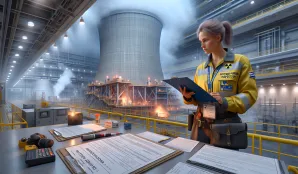
Nuclear power inspector salary
Latest available salary statistics are for 2025. Compare average pay, salary range and related job listings.
44 500 - 61 000 SEK / month
Women earn 93% of what men do.
Naturvetenskapligt arbete
Related tools
Salary progression Nuclear power inspector
What does a nuclear power inspector do? – Tasks and work environment
Nuclear power inspectors are responsible for monitoring safety at nuclear facilities and ensuring compliance with laws and regulations. The work involves regular inspections, review of technical documentation, investigation of deviations, and follow-up of safety procedures. Inspectors often collaborate with other authorities, experts, and facility owners to ensure operations are conducted safely and responsibly. The work environment can vary between office work, site visits under strict safety protocols, and participation in emergency preparedness exercises.
Salary development over time
The salary of a nuclear power inspector has shown stable and positive growth in recent years. In 2022, the average salary was 48,500 SEK per month, increasing to 49300 SEK in 2023 and further to 53 100 SEK in 2024. This represents a total increase of approximately 6.2% over three years. This salary development reflects both increased demand for qualified personnel in the nuclear sector and a growing focus on safety issues, which has raised skill requirements and salary levels. The market's need for specialized inspectors, along with high educational standards, has also contributed to rising wages in the profession. Salary differences between genders have been relatively small but persist, with women earning 93% of men's salaries.
Nuclear Power Inspector salary – comprehensive overview
- Average salary: 53 100 SEK/month
- Lowest salary: 41,600 SEK/month (female, private sector worker)
- Highest salary: 58,500 SEK/month (male, municipal sector, research education)
- Hourly wage: 310 SEK/hour
- Women’s salary as a percentage of men’s: 93% (50 300 SEK/month vs 54 200 SEK/month)
- Regional differences: Limited data available, some variation may occur depending on proximity to nuclear facilities.
Education and qualifications
To work as a nuclear power inspector, a university degree in engineering, science, or energy is usually required, often with specialization in nuclear technology, physics, or equivalent. Many employers also seek specific courses in radiation protection, safety, and legislation, as well as practical experience from nuclear operations. The educational path is often long and requires both theoretical and practical specialization.
- Formal degree: Master of Science or engineering degree in engineering, physics, or energy (5 years)
- Certifications: Courses in radiation protection, safety, and nuclear law
- Practical experience: Relevant work experience from nuclear industry or authorities
- Prerequisites: Science or technical high school education
- Tips for choosing: Specializing in nuclear technology and safety during studies increases opportunities
Many nuclear power inspectors have the opportunity to participate in international collaborations and exchanges, as nuclear safety is a globally important area. This can provide valuable experience and insights into how different countries address safety issues.
Common benefits and compensations
Nuclear power inspectors are often covered by collective agreements and offered benefits such as occupational pension, wellness allowances, flexible working hours, and further training opportunities. Travel to or work at nuclear facilities may also involve compensation for travel time, per diems, and other allowances.
Competition and challenges
The profession as a nuclear power inspector is characterized by high competition for positions, as the number of roles is limited and education requirements are high. Specialized knowledge in nuclear technology and safety legislation is crucial for recruitment. Challenges in the role can also include complex technical problems, high responsibility for safety, and the need to stay constantly updated on laws and international guidelines. Since nuclear power is a debated area, inspectors may also face societal influence and opinion shaping. Technological developments and changing energy policies also impact the demand for qualified professionals in this field.
Tips for aspiring nuclear power inspectors
To succeed as a nuclear power inspector, it is beneficial to combine analytical skills with a strong safety mindset and meticulousness. Early specialization in nuclear technology or radiation protection during studies can provide an advantage, along with practical experience from the nuclear industry. Being communicative and able to collaborate with different professional groups is also essential, as inspectors often work with technicians and decision-makers. High integrity and the ability to make objective decisions under pressure are important qualities, as well as a willingness to continuously update oneself on new regulations and technical solutions. Applying for trainee positions or internships within authorities or nuclear companies can also open doors to the profession.
Key facts about Nuclear Power Inspectors
- Salary range: 41,600–58,500 SEK/month
- Average salary: 53 100 SEK/month
- Education level: Master’s degree or engineering degree (5 years) with specialization in nuclear technology
- Work environment: Combination of office work and site visits under strict safety protocols
- Recruitment situation: 143 available jobs in related fields, limited number of pure inspector roles
Career paths and future prospects
After three to five years as a nuclear power inspector, career development can lead to expert roles in supervision, leadership positions such as section manager, or project leader for safety issues. There are also opportunities to work internationally, for example within UN agencies or European regulatory bodies. The future outlook is somewhat uncertain, as the profession is part of a broader occupational group where the Swedish Public Employment Service does not make a specific assessment for nuclear inspectors. However, technological advancements, increased safety requirements, and generational change suggest a continued need for qualified inspectors, even though the number of positions is limited. There are 143 available jobs in related fields, indicating some demand, but competition for the most specialized roles can be fierce.
Frequently asked questions about Nuclear Power Inspectors
- What does a Nuclear Power Inspector earn?
- The average salary is 53 100 SEK per month, ranging from 41,600 SEK to 58,500 SEK. - How does one become a Nuclear Power Inspector?
- The route goes via higher education in engineering or science, often a master’s or engineering degree, with specialization in nuclear technology and radiation protection. - Are there differences between men's and women's salaries?
- Yes, women earn 93% of what men do in the profession. - What are the job responsibilities of a Nuclear Power Inspector?
- Tasks include inspections, reviewing reports, safety assessments, and collaboration with other authorities. - What is the job market like for Nuclear Power Inspectors?
- The number of positions is limited but demand exists, especially in related fields where 143 jobs are advertised. - What personal qualities are important?
- Analytical ability, accuracy, integrity, and good communication are crucial.

Salary distributed by age and sector
| Age | Base salary | Monthly salary | |
|---|---|---|---|
| 25-34 | 99% | 42300 kr | 42500 kr |
| 35-44 | 98% | 50900 kr | 51100 kr |
| 45-54 | 100% | 57600 kr | 57800 kr |
| 55-64 | 65700 kr | 65800 kr | |
| Snitt | 93% | 52900 kr | 53100 kr |
| Age | Base salary | Monthly salary | |
|---|---|---|---|
| 18-24 | 104% | 38900 kr | 38900 kr |
| 25-34 | 101% | 42500 kr | 42600 kr |
| 35-44 | 98% | 50300 kr | 50500 kr |
| 45-54 | 100% | 56500 kr | 56700 kr |
| 55-64 | 99% | 62200 kr | 62300 kr |
| 65-68 | 111% | 62400 kr | 62400 kr |
| Snitt | 96% | 51300 kr | 51400 kr |
| Age | Base salary | Monthly salary | |
|---|---|---|---|
| 18-24 | 104% | 38900 kr | 38900 kr |
| 25-34 | 102% | 42400 kr | 42600 kr |
| 35-44 | 97% | 49400 kr | 49500 kr |
| 45-54 | 100% | 55800 kr | 55900 kr |
| 55-64 | 93% | 61300 kr | 61300 kr |
| 65-68 | 61200 kr | 61200 kr | |
| Snitt | 95% | 50600 kr | 50700 kr |
| Age | Base salary | Monthly salary | |
|---|---|---|---|
| 25-34 | 100% | 42500 kr | 42900 kr |
| 35-44 | 95% | 52500 kr | 52800 kr |
| 45-54 | 96% | 58800 kr | 59000 kr |
| 55-64 | 101% | 64700 kr | 65000 kr |
| 65-68 | 105% | 65300 kr | 65300 kr |
| Snitt | 94% | 53100 kr | 53400 kr |
| Age | Base salary | Monthly salary | |
|---|---|---|---|
| Snitt | 65800 kr | 66100 kr |
| Age | Base salary | Monthly salary | |
|---|---|---|---|
| Snitt | 65800 kr | 66100 kr |
| Age | Base salary | Monthly salary | |
|---|---|---|---|
| 25-34 | 99% | 42500 kr | 42600 kr |
| 35-44 | 98% | 51200 kr | 51400 kr |
| 45-54 | 100% | 57600 kr | 57800 kr |
| 55-64 | 66500 kr | 66600 kr | |
| Snitt | 93% | 54100 kr | 54200 kr |
| Age | Base salary | Monthly salary | |
|---|---|---|---|
| 18-24 | 104% | 38200 kr | 38200 kr |
| 25-34 | 101% | 42400 kr | 42500 kr |
| 35-44 | 98% | 50500 kr | 50700 kr |
| 45-54 | 100% | 56600 kr | 56700 kr |
| 55-64 | 99% | 62200 kr | 62300 kr |
| 65-68 | 111% | 61400 kr | 61400 kr |
| Snitt | 96% | 51800 kr | 52000 kr |
| Age | Base salary | Monthly salary | |
|---|---|---|---|
| 18-24 | 104% | 38200 kr | 38200 kr |
| 25-34 | 102% | 42300 kr | 42400 kr |
| 35-44 | 97% | 49700 kr | 49800 kr |
| 45-54 | 100% | 55800 kr | 55900 kr |
| 55-64 | 93% | 61800 kr | 61800 kr |
| 65-68 | 60700 kr | 60700 kr | |
| Snitt | 95% | 51200 kr | 51300 kr |
| Age | Base salary | Monthly salary | |
|---|---|---|---|
| 25-34 | 100% | 42600 kr | 42800 kr |
| 35-44 | 95% | 53700 kr | 53900 kr |
| 45-54 | 96% | 60000 kr | 60200 kr |
| 55-64 | 101% | 64300 kr | 64600 kr |
| 65-68 | 105% | 64000 kr | 64000 kr |
| Snitt | 94% | 54700 kr | 55000 kr |
| Age | Base salary | Monthly salary | |
|---|---|---|---|
| 25-34 | 99% | 42000 kr | 42400 kr |
| 35-44 | 98% | 50300 kr | 50500 kr |
| 45-54 | 100% | 57500 kr | 57700 kr |
| Snitt | 93% | 50100 kr | 50300 kr |
| Age | Base salary | Monthly salary | |
|---|---|---|---|
| 18-24 | 104% | 39700 kr | 39700 kr |
| 25-34 | 101% | 42700 kr | 43000 kr |
| 35-44 | 98% | 49700 kr | 49900 kr |
| 45-54 | 100% | 56400 kr | 56600 kr |
| 55-64 | 99% | 61900 kr | 61900 kr |
| 65-68 | 111% | 68000 kr | 68000 kr |
| Snitt | 96% | 49800 kr | 50100 kr |
| Age | Base salary | Monthly salary | |
|---|---|---|---|
| 18-24 | 104% | 39700 kr | 39700 kr |
| 25-34 | 102% | 42800 kr | 43100 kr |
| 35-44 | 97% | 48300 kr | 48400 kr |
| 45-54 | 100% | 55900 kr | 55900 kr |
| 55-64 | 93% | 57200 kr | 57200 kr |
| Snitt | 95% | 48400 kr | 48600 kr |
| Age | Base salary | Monthly salary | |
|---|---|---|---|
| 25-34 | 100% | 42500 kr | 42900 kr |
| 35-44 | 95% | 51100 kr | 51400 kr |
| 45-54 | 96% | 57200 kr | 57600 kr |
| 55-64 | 101% | 65400 kr | 65500 kr |
| 65-68 | 105% | 67000 kr | 67000 kr |
| Snitt | 94% | 51400 kr | 51800 kr |

About the data
All information displayed on this page is based on data from the Swedish Central Bureau of Statistics (SCB), the Swedish Tax Agency and the Swedish employment agency. Learn more about our data and data sources here.
All figures are gross salaries, meaning salaries before tax. The average salary, or mean salary, is calculated by adding up the total salary for all individuals within the profession and dividing it by the number of individuals. For specific job categories, we have also considered various criteria such as experience and education.
Profession Nuclear power inspector has the SSYK code 2111, which we use to match against the SCB database to obtain the latest salary statistics.
-
Postdoctoral Researcher in NanoCT and Battery Research at MAX IV and Chalmers
Physicists and astronomers
Mon, 13 Jul 2026 - 23:50 -
Researcher for FemtoMAX at MAX IV, Lund University
Physicists and astronomers
Mon, 13 Jul 2026 - 20:44 -
Postdoc in X-ray Diffraction and Computed Tomography (XRD-CT) – Battery Research
Physicists and astronomers
Mon, 13 Jul 2026 - 20:36 -

Postdoctoral Position in Quantum Materials and Neutron Diffraction at ILL Grenoble
Physicists and astronomers
Fri, 10 Jul 2026 - 21:30 -

Postdoctoral Researcher in Extragalactic Astrophysics with JWST
Physicists and astronomers
Fri, 10 Jul 2026 - 21:00
Compare salary, work tasks and job outlook in adjacent occupations to find roles with similar skills or pay levels.
-

Average salary: 55 000 SEK/month • Naturvetenskapligt arbete
Chemists
Compare with Nuclear power inspector
Mon, 13 Jul 2026 - 06:18 -

Average salary: 53 100 SEK/month • Naturvetenskapligt arbete
Physicists and astronomers
Compare with Nuclear power inspector
Mon, 13 Jul 2026 - 15:53 -

Environmental coordinator, environmental management and control (ISO, EMAS) salary
Average salary: 49 900 SEK/month • Naturvetenskapligt arbete
Specialists in environmental protection and environmental technology
Compare with Nuclear power inspector
Mon, 13 Jul 2026 - 21:32 -

Average salary: 42 600 SEK/month • Naturvetenskapligt arbete
Plant and animal biologists
Compare with Nuclear power inspector
Tue, 14 Jul 2026 - 06:01 -

Cryptologist, mathematician salary
Average salary: 75 600 SEK/month • Naturvetenskapligt arbete
Mathematicians and actuaries
Compare with Nuclear power inspector
Tue, 14 Jul 2026 - 03:32 -

Master of Science in Engineering, Biotechnology Industry salary
Average salary: 48 100 SEK/month • Naturvetenskapligt arbete
Cell and molecular biologists etc.
Compare with Nuclear power inspector
Mon, 13 Jul 2026 - 21:52


