- Salary statistics
- Chicken keeper salary
Chicken keeper salary
Latest available salary statistics are for 2025. Compare average pay, salary range and related job listings.
29 000 - 33 900 SEK / month
Women earn 100% of what men do.
Naturbruk
Related tools
Salary progression Chicken keeper
What does a Chicken Farmer do? – Tasks and Work Environment
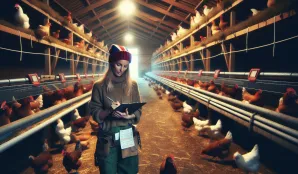
A Chicken Farmer is responsible for daily supervision, feeding, and care of chickens, mainly within egg production or meat farming. Tasks also include health and welfare checks, cleaning of stables and facilities, as well as monitoring climate and ventilation to ensure optimal conditions. The work environment is often physically demanding and mostly indoors in a barn setting, but outdoor work may also be included depending on the production setup. The profession involves early mornings and sometimes weekend work, as animal needs must be met year-round.
Salary Development Over Time
The salary for Chicken Farmers has shown steady growth in recent years. In 2022, the average salary was 27,200 SEK per month, while in 2023 it increased to 29 400 and has remained at that level during 2024. This represents a roughly 4.4% increase between 2022 and 2023, but salary growth has plateaued since. The somewhat faster increase during 2022–2023 can be explained by increased demand for labor in agriculture, as well as general wage adjustments in the industry. It is common for salary development in this profession to be relatively slow, especially since many work part-time and the labor market is characterized by some competition for permanent positions. Gender pay gaps exist, with women earning on average 100% of men's salaries.
Chicken Farmer Salary – Complete Overview
- Average salary: 29 400 SEK/month
- Lowest salary: 27,000 SEK/month (female, private sector, vocational education 3 years)
- Highest salary: 32,500 SEK/month (female, public sector, vocational education up to 2 years)
- Hourly wage: 171 SEK
- Women: 29 300 SEK/month (100% of men's salary)
- Men: 29,700 SEK/month
- Regional differences: Data on variation is lacking, but salary levels may differ between rural areas and larger production districts.
Education and Qualifications
To work as a Chicken Farmer, a vocational education focusing on agriculture or animal husbandry is usually required. Many employers value practical experience working with animals, and it is common for professionals to combine education with internships or trainee positions. Formal certification requirements are rare, but certain specialized courses in animal health, biosafety, and work environment can be advantageous.
- Vocational education: Nature Conservation Program, animal focus (3 years)
- Internships: Practical components and on-the-job training are often included
- Courses: Biosafety, animal health, work environment
- Prerequisites: Basic upper secondary school eligibility
- Experience: Practical experience in animal care is highly meritorious
Many Chicken Farmers quickly take on broad responsibilities and may be involved in everything from hatching to production planning, which provides a varied workday and close contact with the animals throughout their lifecycle.
Common Benefits and Compensation
Chicken Farmers are often offered benefits such as work clothing, wellness allowances, and sometimes subsidized meals. Collective agreement-based compensation for unsociable hours is common, and some employers provide training opportunities or further education in animal husbandry and work environment. Pension contributions and insurance are typically included in employment conditions.
Competition and Challenges
The market for Chicken Farmers features great employment opportunities but also some competition for permanent full-time positions. A significant portion of workers in the profession work part-time, making many positions temporary or seasonal. Recruitment difficulties occur, especially in areas dominated by large facilities with high labor needs. Challenges include physically demanding work, early mornings, and work environment issues related to dust and noise. Success requires resilience and a genuine interest in animal welfare.
Tips for Aspiring Chicken Farmers
To succeed as a Chicken Farmer, it is good to have a genuine interest in animals and to be meticulous, as animal health and production quality depend on daily care and attention. Good physical condition is an advantage since the work is often heavy and demanding, especially during busy periods. Flexibility is important because the workday can start early and sometimes requires weekend or evening work. Being cooperative and having good communication skills facilitates teamwork and interaction with animal owners, while a sense of responsibility and initiative are crucial for making quick decisions in unexpected situations. Early internships and showing engagement in professional development increase chances of employment.
Key Facts about Chicken Farmers
- Education level: Vocational training (agriculture, animals)
- Work environment: Physically demanding, barn environment, often early mornings
- Work form: Part-time and full-time, sometimes seasonal
- Demand: Large opportunities for work nationwide
- Special skills: Animal health, biosafety, work environment
Career Paths and Future Outlook
After 3–5 years in the profession, a Chicken Farmer can advance to supervisory roles, such as foreman at a larger facility, or specialize in areas like animal health and production technology. There are also opportunities for further education as a operations manager or to start one's own business within poultry farming. According to the Swedish Public Employment Service, job prospects are generally good, and demand is expected to remain stable over five years. The recruitment situation is characterized by some shortage of full-time workers, meaning experienced and dedicated Chicken Farmers often have good chances of permanent employment. Currently, there are 360 job openings in the profession, indicating a stable job market.
Frequently Asked Questions about Chicken Farmers
- What does a Chicken Farmer earn?
- The average salary is 29 400 SEK per month, but variations occur depending on experience, gender, and sector. - How to become a Chicken Farmer?
- Most commonly, a vocational education in agriculture with a focus on animals, along with practical experience from farming. - Are there salary differences between men and women?
- Yes, women earn on average 100% of what men do within the profession. - What are the working hours for a Chicken Farmer?
- Working hours are often early mornings, sometimes weekends, and can be full-time or part-time. - What does the job market look like for Chicken Farmers?
- Opportunities for employment are plentiful, with many vacancies and unchanged demand according to forecasts. - What are the duties of a Chicken Farmer?
- Supervision, feeding, cleaning, health checks, and monitoring of the animals' environment are central tasks. - Is certification required to work as a Chicken Farmer?
- No, formal certification is rarely required, but education and experience are valuable merits.

Salary distributed by age and sector
| Age | Base salary | Monthly salary | |
|---|---|---|---|
| 18-24 | 25200 kr | 26300 kr | |
| 25-34 | 28700 kr | 29300 kr | |
| 35-44 | 29700 kr | 30600 kr | |
| 45-54 | 30900 kr | 31400 kr | |
| 55-64 | 29900 kr | 30300 kr | |
| Snitt | 100% | 28700 kr | 29400 kr |
| Age | Base salary | Monthly salary | |
|---|---|---|---|
| 18-24 | 28400 kr | 30800 kr | |
| 25-34 | 99% | 29200 kr | 30800 kr |
| 35-44 | 115% | 31500 kr | 32600 kr |
| 45-54 | 32100 kr | 33400 kr | |
| 55-64 | 98% | 31000 kr | 32400 kr |
| Snitt | 99% | 30300 kr | 31800 kr |
| Age | Base salary | Monthly salary | |
|---|---|---|---|
| 18-24 | 28400 kr | 30800 kr | |
| 25-34 | 99% | 29200 kr | 30800 kr |
| 35-44 | 115% | 31500 kr | 32600 kr |
| 45-54 | 32100 kr | 33400 kr | |
| 55-64 | 98% | 31000 kr | 32400 kr |
| Snitt | 99% | 30300 kr | 31800 kr |
| Age | Base salary | Monthly salary | |
|---|---|---|---|
| 18-24 | 25200 kr | 26200 kr | |
| 25-34 | 28700 kr | 29300 kr | |
| Snitt | 99% | 28600 kr | 29300 kr |
| Age | Base salary | Monthly salary | |
|---|---|---|---|
| 18-24 | 25200 kr | 26200 kr | |
| 25-34 | 28700 kr | 29300 kr | |
| Snitt | 99% | 28600 kr | 29300 kr |
| Age | Base salary | Monthly salary | |
|---|---|---|---|
| Snitt | 100% | 29100 kr | 29500 kr |
| Age | Base salary | Monthly salary | |
|---|---|---|---|
| 25-34 | 99% | 29900 kr | 31000 kr |
| 35-44 | 115% | 28100 kr | 28800 kr |
| 55-64 | 98% | 30300 kr | 32900 kr |
| Snitt | 99% | 29600 kr | 32000 kr |
| Age | Base salary | Monthly salary | |
|---|---|---|---|
| 25-34 | 99% | 29900 kr | 31000 kr |
| 35-44 | 115% | 28100 kr | 28800 kr |
| 55-64 | 98% | 30300 kr | 32900 kr |
| Snitt | 99% | 29600 kr | 32000 kr |
| Age | Base salary | Monthly salary | |
|---|---|---|---|
| Snitt | 99% | 29100 kr | 29500 kr |
| Age | Base salary | Monthly salary | |
|---|---|---|---|
| Snitt | 99% | 29100 kr | 29500 kr |
| Age | Base salary | Monthly salary | |
|---|---|---|---|
| 18-24 | 24200 kr | 25700 kr | |
| 25-34 | 29400 kr | 30000 kr | |
| Snitt | 100% | 28300 kr | 29300 kr |
| Age | Base salary | Monthly salary | |
|---|---|---|---|
| 18-24 | 28300 kr | 30400 kr | |
| 25-34 | 99% | 29100 kr | 30700 kr |
| 35-44 | 115% | 32000 kr | 33100 kr |
| 45-54 | 32300 kr | 33200 kr | |
| 55-64 | 98% | 31100 kr | 32400 kr |
| Snitt | 99% | 30400 kr | 31800 kr |
| Age | Base salary | Monthly salary | |
|---|---|---|---|
| 18-24 | 28300 kr | 30400 kr | |
| 25-34 | 99% | 29100 kr | 30700 kr |
| 35-44 | 115% | 32000 kr | 33100 kr |
| 45-54 | 32300 kr | 33200 kr | |
| 55-64 | 98% | 31100 kr | 32400 kr |
| Snitt | 99% | 30400 kr | 31800 kr |
| Age | Base salary | Monthly salary | |
|---|---|---|---|
| 25-34 | 29400 kr | 30000 kr | |
| Snitt | 99% | 28300 kr | 29300 kr |
| Age | Base salary | Monthly salary | |
|---|---|---|---|
| 25-34 | 29400 kr | 30000 kr | |
| Snitt | 99% | 28300 kr | 29300 kr |

About the data
All information displayed on this page is based on data from the Swedish Central Bureau of Statistics (SCB), the Swedish Tax Agency and the Swedish employment agency. Learn more about our data and data sources here.
All figures are gross salaries, meaning salaries before tax. The average salary, or mean salary, is calculated by adding up the total salary for all individuals within the profession and dividing it by the number of individuals. For specific job categories, we have also considered various criteria such as experience and education.
Profession Chicken keeper has the SSYK code 6121, which we use to match against the SCB database to obtain the latest salary statistics.
-

Stable Assistant Needed for Weekday Mornings – Östra Torns Equestrian Club
Breeders and caretakers of farm animals
Sat, 11 Jul 2026 - 20:33 -

Animal Caretaker for Pig Production – Full Time in Rural Setting
Breeders and caretakers of farm animals
Fri, 10 Jul 2026 - 21:33 -

Stable Technician at Lövsta Agricultural Research, Uppsala
Breeders and caretakers of farm animals
Thu, 9 Jul 2026 - 01:54 -

Employee Wanted for Dairy Farm (600 Cows)
Breeders and caretakers of farm animals
Mon, 6 Jul 2026 - 23:46 -

Animal Caretaker / Farm Manager at Aviagen SweChick AB
Breeders and caretakers of farm animals
Mon, 6 Jul 2026 - 17:44
Compare salary, work tasks and job outlook in adjacent occupations to find roles with similar skills or pay levels.
-

Operations manager, agriculture, agricultural pets salary
Average salary: 29 400 SEK/month • Naturbruk
Breeders and caretakers of farm animals
Compare with Chicken keeper
Tue, 14 Jul 2026 - 13:07 -

Average salary: 44 900 SEK/month • Naturbruk
Specialists and advisors in agriculture etc.
Compare with Chicken keeper
Tue, 14 Jul 2026 - 14:59 -

Homeowners, mixed operation salary
Average salary: 28 900 SEK/month • Naturbruk
Plant growers and animal breeders, mixed operations
Compare with Chicken keeper
Tue, 14 Jul 2026 - 13:06 -

Replacement, mixed operation salary
Average salary: 28 900 SEK/month • Naturbruk
Plant growers and animal breeders, mixed operations
Compare with Chicken keeper
Tue, 14 Jul 2026 - 08:16 -

Average salary: 32 000 SEK/month • Naturbruk
Gardeners etc.
Compare with Chicken keeper
Tue, 14 Jul 2026 - 11:00 -

EU inspector, agricultural support salary
Average salary: 44 900 SEK/month • Naturbruk
Specialists and advisors in agriculture etc.
Compare with Chicken keeper
Tue, 14 Jul 2026 - 13:58


