- Salary statistics
- Zoo keeper, zoo, circus salary
Zoo keeper, zoo, circus salary
Latest available salary statistics are for 2025. Compare average pay, salary range and related job listings.
26 000 - 32 000 SEK / month
Naturbruk
Related tools
Salary progression Zoo keeper, zoo, circus
What does an animal caretaker in a zoo and circus do? – Tasks and work environment
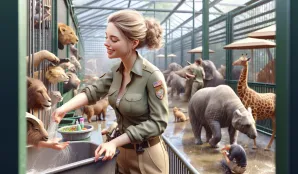
An animal caretaker in a zoo or circus works with caring for, feeding, and maintaining animals in captivity. Tasks include daily supervision, cleaning enclosures and pens, preparing feed, and observing animal health and behavior. Some tasks also involve training, enrichment, and occasionally basic veterinary care. The work environment is often outdoors and varies greatly depending on the season, weather, and animal species. Physical workload, irregular hours, and close contact with both animals and visitors characterize the profession.
Salary development over time
The salary for an animal caretaker in a zoo and circus has shown varied development over the past three years. In 2022, the average salary was 25,000 SEK, followed by an increase to 26 300 SEK in 2023. During 2024, however, the average salary has decreased to 30 000 SEK, which corresponds to a reduction of approximately 5.4 percent from the previous year. This variation may be due to changes in the job market, seasonal employment availability, and different education levels among employees. The profession is also influenced by budget conditions of employers, especially in the public and non-profit sectors, which sometimes leads to salary fluctuations between years.
Animal caretakers in zoos and circuses salary – comprehensive overview
- Average salary: 30 000 SEK/month
- Lowest salary: 25,100 SEK/month (woman, high school education)
- Highest salary: 28,000 SEK/month (woman, post-secondary education)
- Hourly wage: 158 SEK
- Gender differences: Women 30 000 SEK, specific data for men is unavailable
- Regional differences: Data not available
Education and qualifications
To work as an animal caretaker in a zoo or circus, a high school education with a focus on animal care is generally required, often supplemented with internships or experience from similar work. Many employers view post-secondary studies in animal care or ethology positively, and some positions may require specific certifications or courses depending on the animal species. Practical experience, responsibility, and good physical condition are important factors in recruitment.
- High school education: Animal care program, 3 years
- Post-secondary education: Vocational training or university courses in animal care, 1–3 years
- Internship: Often mandatory during education
- Certifications: For example, training in animal handling or occupational safety
- Prerequisites: Often B driving license and good physical health
Many animal caretakers have the opportunity to work with rare species and develop unique expertise, especially in conservation projects. Contacts with researchers and participation in public education are also among the most appreciated aspects of the profession.
Common benefits and compensations
Animal caretakers in zoos or circuses often have access to work clothing, wellness allowances, and sometimes subsidized staff meals. Other benefits may include opportunities for further training, internal skill development, and access to staff rooms or basic accommodation during seasonal employment. Compensation for unsocial hours and weekend work is included in some agreements.
Competition and challenges
The competition for positions as an animal caretaker in zoos and circuses is generally high, especially at larger and well-known workplaces. The number of available jobs is limited relative to the number of qualified candidates, which means employers can set high requirements for experience and specialized knowledge. Seasonal variations, physically demanding tasks, and sometimes psychologically stressful situations, such as illness or euthanasia of animals, pose challenges in the profession. Flexibility and readiness to work evenings, weekends, and overtime are also required.
Tips for aspiring animal caretakers in zoos and circuses
To succeed as an animal caretaker in zoos and circuses, it is beneficial to be both resilient and flexible, as the work often involves early mornings and weekend shifts. A genuine interest in animals and patience are crucial, since contact with animals requires respect and gentleness. Practical experience, such as internships or volunteer work, provides valuable credentials and increases chances of employment. Initiative and responsibility help when unexpected situations arise, and good teamwork skills are important in work groups where communication about animal welfare is central. A continuous desire to develop and learn, especially in areas like animal health and behavior, is also a key factor for success in this profession.
Key facts about Animal Caretakers, zoos, circuses
- Education level: High school or post-secondary with a focus on animal care
- Work environment: Physically demanding, outdoor and indoor, seasonal variation
- Typical employment: Full-time or seasonal employment
- Demand: 360 available jobs within the profession (2024)
- Special skills: Animal handling, ethology, and the ability to observe animal behavior
Career paths and future prospects
After three to five years in the profession, an animal caretaker can develop into specialized roles, such as team leader, head caretaker, or animal educator. Opportunities also exist to work in conservation efforts, educational activities, or research related to animal behavior and health. According to employment forecasts, demand for animal caretakers remains stable, but competition for permanent positions stays high. Those who pursue further education and gain specialized skills, for example in exotic species or animal training, have good chances for career advancement within the field.
Frequently asked questions about Animal Caretakers, zoos, circuses
- What does an animal caretaker in a zoo and circus earn?
- The average salary is 30 000 SEK per month, with variation depending on education and experience. - What education is required to become an animal caretaker?
- High school education with a focus on animal care, preferably supplemented with internships and/or post-secondary studies. - Are there salary differences between men and women?
- Women earn an average of 30 000 SEK. Specific data for men is unavailable, but the highest salary for men is 27,500 SEK. - What is the job market like for animal caretakers?
- There are 360 available jobs within the profession, but competition for permanent positions is high. - What tasks are included in the profession?
- Caretaking, feeding, cleaning, observing animals, and sometimes basic veterinary procedures. - Can the profession be furthered through education?
- Yes, further education in animal care, ethology, or specialization in certain species is common. - What are the highest and lowest salaries?
- The highest salary is 28,000 SEK and the lowest is 25,100 SEK, depending on education and sector.

Salary distributed by age and sector
| Age | Base salary | Monthly salary | |
|---|---|---|---|
| 18-24 | 23300 kr | 27500 kr | |
| 25-34 | 29600 kr | 30700 kr | |
| Snitt | 28500 kr | 30000 kr |
| Age | Base salary | Monthly salary | |
|---|---|---|---|
| 18-24 | 103% | 25200 kr | 26000 kr |
| 25-34 | 108% | 26700 kr | 27700 kr |
| 35-44 | 27300 kr | 27600 kr | |
| 45-54 | 29000 kr | 29600 kr | |
| 55-64 | 99% | 27200 kr | 28400 kr |
| Snitt | 103% | 26900 kr | 27700 kr |
| Age | Base salary | Monthly salary | |
|---|---|---|---|
| 18-24 | 103% | 25200 kr | 26000 kr |
| 25-34 | 108% | 26700 kr | 27700 kr |
| 35-44 | 27300 kr | 27600 kr | |
| 45-54 | 29000 kr | 29600 kr | |
| 55-64 | 99% | 27200 kr | 28400 kr |
| Snitt | 103% | 26900 kr | 27700 kr |
| Age | Base salary | Monthly salary | |
|---|---|---|---|
| 18-24 | 22900 kr | 27900 kr | |
| Snitt | 29000 kr | 30600 kr |
| Age | Base salary | Monthly salary | |
|---|---|---|---|
| 18-24 | 22900 kr | 27900 kr | |
| Snitt | 29000 kr | 30600 kr |
| Age | Base salary | Monthly salary | |
|---|---|---|---|
| 18-24 | 103% | 25300 kr | 25400 kr |
| 25-34 | 108% | 25300 kr | 25800 kr |
| 55-64 | 99% | 28200 kr | 28700 kr |
| Snitt | 103% | 26600 kr | 27000 kr |
| Age | Base salary | Monthly salary | |
|---|---|---|---|
| 18-24 | 103% | 25300 kr | 25400 kr |
| 25-34 | 108% | 25300 kr | 25800 kr |
| 55-64 | 99% | 28200 kr | 28700 kr |
| Snitt | 103% | 26600 kr | 27000 kr |
| Age | Base salary | Monthly salary | |
|---|---|---|---|
| 18-24 | 23200 kr | 27600 kr | |
| 25-34 | 29700 kr | 30800 kr | |
| Snitt | 29400 kr | 31000 kr |
| Age | Base salary | Monthly salary | |
|---|---|---|---|
| 18-24 | 103% | 25200 kr | 26100 kr |
| 25-34 | 108% | 26800 kr | 27800 kr |
| 35-44 | 27300 kr | 27500 kr | |
| 45-54 | 29100 kr | 29700 kr | |
| 55-64 | 99% | 27000 kr | 28400 kr |
| Snitt | 103% | 26900 kr | 27700 kr |
| Age | Base salary | Monthly salary | |
|---|---|---|---|
| 18-24 | 103% | 25200 kr | 26100 kr |
| 25-34 | 108% | 26800 kr | 27800 kr |
| 35-44 | 27300 kr | 27500 kr | |
| 45-54 | 29100 kr | 29700 kr | |
| 55-64 | 99% | 27000 kr | 28400 kr |
| Snitt | 103% | 26900 kr | 27700 kr |
| Age | Base salary | Monthly salary | |
|---|---|---|---|
| 18-24 | 22800 kr | 27900 kr | |
| Snitt | 30200 kr | 32000 kr |
| Age | Base salary | Monthly salary | |
|---|---|---|---|
| 18-24 | 22800 kr | 27900 kr | |
| Snitt | 30200 kr | 32000 kr |

About the data
All information displayed on this page is based on data from the Swedish Central Bureau of Statistics (SCB), the Swedish Tax Agency and the Swedish employment agency. Learn more about our data and data sources here.
All figures are gross salaries, meaning salaries before tax. The average salary, or mean salary, is calculated by adding up the total salary for all individuals within the profession and dividing it by the number of individuals. For specific job categories, we have also considered various criteria such as experience and education.
Profession Zoo keeper, zoo, circus has the SSYK code 6129, which we use to match against the SCB database to obtain the latest salary statistics.
-
Animal Care Assistant Wanted at Hags Gårdsveterinär in Avesta
Other animal breeders and animal caretakers
Mon, 13 Jul 2026 - 21:18 -
Job in Robotic Milking and Feeding
Other animal breeders and animal caretakers
Sat, 11 Jul 2026 - 20:32 -

Veterinary Care Assistant Needed in Stockholm – AnnSam AB
Other animal breeders and animal caretakers
Thu, 9 Jul 2026 - 21:18 -
Animal Caretaker for Newborns – Granepig AB
Other animal breeders and animal caretakers
Mon, 6 Jul 2026 - 21:37 -
Animal Caretaker Needed in Stockholm – AnnSam AB
Other animal breeders and animal caretakers
Mon, 6 Jul 2026 - 20:38
Compare salary, work tasks and job outlook in adjacent occupations to find roles with similar skills or pay levels.
-

Average salary: 33 600 SEK/month • Naturbruk
Forestry workers
Compare with Zoo keeper, zoo, circus
Tue, 14 Jul 2026 - 09:56 -

Homeowners, plant cultivation salary
Average salary: 31 752 SEK/month • Naturbruk
Growers of agricultural crops, fruit and berries
Compare with Zoo keeper, zoo, circus
Tue, 14 Jul 2026 - 08:16 -

Average salary: 30 200 SEK/month • Naturbruk
Horticulturists
Compare with Zoo keeper, zoo, circus
Mon, 13 Jul 2026 - 00:46 -

Landowners, agriculture mixed plant species salary
Average salary: 31 752 SEK/month • Naturbruk
Growers of agricultural crops, fruit and berries
Compare with Zoo keeper, zoo, circus
Tue, 14 Jul 2026 - 09:48 -

Ground preparation driver, forestry salary
Average salary: 33 500 SEK/month • Naturbruk
Operators of agricultural and forestry machinery
Compare with Zoo keeper, zoo, circus
Tue, 14 Jul 2026 - 05:43 -

Average salary: 30 000 SEK/month • Naturbruk
Other animal breeders and animal caretakers
Compare with Zoo keeper, zoo, circus
Sat, 11 Jul 2026 - 14:48


