- Salary statistics
- Fire Chief salary
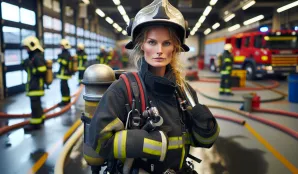
Fire Chief salary
Latest available salary statistics are for 2025. Compare average pay, salary range and related job listings.
29 500 - 41 700 SEK / month
Women earn 94% of what men do.
Säkerhetsarbete
Related tools
Salary progression Fire Chief
What does a Fire Chief do? – Tasks and Work Environment
A Fire Chief works to lead and coordinate rescue efforts during accidents, fires, and other emergency situations. The role involves responsibility for a team of firefighters and making quick decisions under pressure. The Fire Chief plans and leads drills, ensures safety during operations, and often participates in the operational work themselves. The work environment is characterized by varied tasks, shift work, and sometimes risky situations requiring both physical and mental resilience.
Salary Development Over Time
The salary for a Fire Chief has increased steadily in recent years. In 2022, the average salary was 36 400 SEK per month, rising the following year to 37 400 SEK, and ultimately reaching 38 500 SEK in 2024. This represents a total increase of approximately 7.2% over three years. The salary development reflects both increased responsibilities in the role and a general trend where demand for leadership skills in emergency services has grown. Gender differences persist but have decreased somewhat in recent years, possibly due to targeted initiatives for equality and skill development within the profession. Overall, the market’s need for experienced leaders in safety and rescue has contributed to higher salary levels.
Fire Chief Salary – Complete Overview
- Average salary: 38 500 SEK/month
- Lowest salary: 29,800 SEK/month (female, public sector)
- Highest salary: 41,300 SEK/month (male, private sector)
- Hourly wage: 225 SEK
- Gender pay gap: Women earn 94% of what men do (36 400 SEK vs. 38 700 SEK)
- Regional differences: Data on regional variations is lacking, but differences may occur depending on employer and location.
Education and Qualifications
To work as a Fire Chief, both formal education and experience from rescue services are required. The profession is based on a fundamental firefighter training, followed by further education and leadership courses. Experience from emergency response is often a requirement, along with the ability to lead and make decisions under stress.
- Basic training: Firefighting (SMO), 2 years
- Further training: Leadership and supervisory courses within rescue services
- Practical experience: Several years as a firefighter are required
- Certifications: Courses in incident command and work environment
- Prerequisites: Good physical ability and a driver’s license
Many Fire Chiefs also engage in community education efforts, such as conducting fire drills at schools and companies. This work helps increase public safety awareness and can be a pathway for those wanting to develop into more preventive roles within rescue services.
Common Benefits and Compensation
Fire Chiefs are often covered by collective agreements that provide on-call allowances, holiday pay, and pension contributions. Other common benefits include wellness grants, opportunities for further training, and access to occupational health services. Compensation for standby and on-call duties is common, especially for work outside regular hours.
Competition and Challenges
The competition for positions as a Fire Chief is significant, especially in metropolitan areas and attractive municipalities. Since positions are often filled internally among experienced firefighters, extensive experience and leadership skills are required to be considered. Challenges in the role include stressful and sometimes dangerous tasks, high demands on physical and mental capacity, and the need for continuous skill development. Limited turnover in senior positions means career paths can be long-term.
Tips for Aspiring Fire Chiefs
To succeed as a Fire Chief, it’s beneficial to combine leadership skills with practical experience in rescue services. Developing good communication skills facilitates teamwork and public interactions. Strong physical fitness is crucial due to the demanding nature of the work, and the ability to make quick decisions is vital in emergencies. Showing initiative and pursuing further training can increase chances of obtaining a leadership role. Managing stress and inspiring others are also valuable, especially when leading teams through difficult operations. Finally, humility and a genuine safety mindset are essential for building trust both within and outside the team.
Key Facts about Fire Chiefs
- Education level: At least 2-year SMO training and further leadership development
- Work environment: Shift work and field operations under varying conditions
- Typical employment: Permanent employment within municipal or state rescue services
- Demand: 190 job openings within the profession
- Special skills: Incident command, risk assessment, and training initiatives
Career Paths and Future Outlook
After several years of experience as a Fire Chief, there are opportunities to advance to higher supervisory roles, such as team leader, incident commander, or training manager within rescue services. Some choose to specialize further in areas like risk management, prevention, or education. Forecasts from the Employment Service indicate that there is not enough data for an exact outlook, but the profession reports about 190 job openings. This suggests stable demand for leadership skills, although competition for the most attractive positions can be high. Regional differences exist, and career development opportunities are often better in larger organizations or municipalities.
Frequently Asked Questions about Fire Chiefs
- What does a Fire Chief earn?
- The average salary is 38 500 SEK per month, with variation between 29,800 SEK and 41,300 SEK depending on experience and employer. - How does one become a Fire Chief?
- By first training as a firefighter (SMO), gaining experience, and then furthering education in leadership and incident command. - Is there a difference between men's and women's salaries?
- Yes, women earn on average 94% of what men do within the profession. - What are the working hours for a Fire Chief?
- Shift work is common, including unsocial hours, on-call duty, and standby. - What are the future prospects?
- There are 190 job openings within the profession, but no exact forecast for the future. - What are the most common benefits?
- On-call allowances, wellness grants, occupational pension, and compensation for standby are common. - What are the physical requirements to become a Fire Chief?
- Good physical condition and endurance are essential due to the demanding nature of the work.

Salary distributed by age and sector
| Age | Base salary | Monthly salary | |
|---|---|---|---|
| 18-24 | 31300 kr | 33500 kr | |
| 25-34 | 100% | 35000 kr | 36000 kr |
| 35-44 | 96% | 37300 kr | 38100 kr |
| 45-54 | 39100 kr | 40100 kr | |
| 55-64 | 40300 kr | 41900 kr | |
| Snitt | 94% | 37500 kr | 38500 kr |
| Age | Base salary | Monthly salary | |
|---|---|---|---|
| 18-24 | 99% | 31300 kr | 33400 kr |
| 25-34 | 99% | 35000 kr | 35800 kr |
| 35-44 | 96% | 37300 kr | 38000 kr |
| 45-54 | 96% | 39200 kr | 40000 kr |
| 55-64 | 98% | 40400 kr | 41700 kr |
| 65-68 | 38700 kr | 42900 kr | |
| Snitt | 94% | 37500 kr | 38400 kr |
| Age | Base salary | Monthly salary | |
|---|---|---|---|
| 18-24 | 97% | 27000 kr | 29700 kr |
| 25-34 | 31200 kr | 34700 kr | |
| 35-44 | 32200 kr | 35000 kr | |
| 45-54 | 32500 kr | 34300 kr | |
| 55-64 | 34900 kr | 35000 kr | |
| Snitt | 93% | 30000 kr | 32800 kr |
| Age | Base salary | Monthly salary | |
|---|---|---|---|
| 18-24 | 99% | 32800 kr | 34700 kr |
| 25-34 | 99% | 35100 kr | 35900 kr |
| 35-44 | 96% | 37400 kr | 38000 kr |
| 45-54 | 96% | 39200 kr | 40100 kr |
| 55-64 | 98% | 40500 kr | 41800 kr |
| 65-68 | 38800 kr | 42600 kr | |
| Snitt | 94% | 37600 kr | 38500 kr |
| Age | Base salary | Monthly salary | |
|---|---|---|---|
| Snitt | 37500 kr | 41500 kr |
| Age | Base salary | Monthly salary | |
|---|---|---|---|
| Snitt | 37500 kr | 41500 kr |
| Age | Base salary | Monthly salary | |
|---|---|---|---|
| 18-24 | 31400 kr | 33600 kr | |
| 25-34 | 100% | 35000 kr | 36000 kr |
| 35-44 | 96% | 37400 kr | 38200 kr |
| 45-54 | 39200 kr | 40200 kr | |
| 55-64 | 40300 kr | 41900 kr | |
| Snitt | 94% | 37600 kr | 38700 kr |
| Age | Base salary | Monthly salary | |
|---|---|---|---|
| 18-24 | 99% | 31300 kr | 33500 kr |
| 25-34 | 99% | 35000 kr | 35900 kr |
| 35-44 | 96% | 37400 kr | 38100 kr |
| 45-54 | 96% | 39300 kr | 40100 kr |
| 55-64 | 98% | 40400 kr | 41700 kr |
| 65-68 | 38700 kr | 42900 kr | |
| Snitt | 94% | 37600 kr | 38500 kr |
| Age | Base salary | Monthly salary | |
|---|---|---|---|
| 18-24 | 97% | 27100 kr | 29800 kr |
| 25-34 | 31500 kr | 34400 kr | |
| 35-44 | 32600 kr | 35700 kr | |
| 45-54 | 32500 kr | 34300 kr | |
| 55-64 | 34900 kr | 35000 kr | |
| Snitt | 93% | 30400 kr | 33100 kr |
| Age | Base salary | Monthly salary | |
|---|---|---|---|
| 18-24 | 99% | 32900 kr | 34800 kr |
| 25-34 | 99% | 35100 kr | 35900 kr |
| 35-44 | 96% | 37500 kr | 38100 kr |
| 45-54 | 96% | 39300 kr | 40100 kr |
| 55-64 | 98% | 40500 kr | 41800 kr |
| 65-68 | 38800 kr | 42600 kr | |
| Snitt | 94% | 37700 kr | 38600 kr |
| Age | Base salary | Monthly salary | |
|---|---|---|---|
| Snitt | 37500 kr | 41700 kr |
| Age | Base salary | Monthly salary | |
|---|---|---|---|
| Snitt | 37500 kr | 41700 kr |
| Age | Base salary | Monthly salary | |
|---|---|---|---|
| 25-34 | 100% | 35100 kr | 35900 kr |
| 35-44 | 96% | 36400 kr | 36700 kr |
| Snitt | 94% | 35600 kr | 36400 kr |
| Age | Base salary | Monthly salary | |
|---|---|---|---|
| 18-24 | 99% | 31200 kr | 33200 kr |
| 25-34 | 99% | 35100 kr | 35600 kr |
| 35-44 | 96% | 36300 kr | 36600 kr |
| 45-54 | 96% | 36900 kr | 38400 kr |
| 55-64 | 98% | 41000 kr | 41000 kr |
| Snitt | 94% | 35500 kr | 36200 kr |
| Age | Base salary | Monthly salary | |
|---|---|---|---|
| 18-24 | 97% | 26500 kr | 29000 kr |
| Snitt | 93% | 27300 kr | 30800 kr |
| Age | Base salary | Monthly salary | |
|---|---|---|---|
| 18-24 | 99% | 32500 kr | 34400 kr |
| 25-34 | 99% | 35200 kr | 35600 kr |
| 35-44 | 96% | 36400 kr | 36700 kr |
| 45-54 | 96% | 36900 kr | 38400 kr |
| 55-64 | 98% | 41000 kr | 41000 kr |
| Snitt | 94% | 35800 kr | 36400 kr |

About the data
All information displayed on this page is based on data from the Swedish Central Bureau of Statistics (SCB), the Swedish Tax Agency and the Swedish employment agency. Learn more about our data and data sources here.
All figures are gross salaries, meaning salaries before tax. The average salary, or mean salary, is calculated by adding up the total salary for all individuals within the profession and dividing it by the number of individuals. For specific job categories, we have also considered various criteria such as experience and education.
Profession Fire Chief has the SSYK code 5411, which we use to match against the SCB database to obtain the latest salary statistics.
-

Part-time Firefighter Needed in Vilhelmina, Saxnäs, and Dikanäs
Firefighters
Tue, 14 Jul 2026 - 08:59 -
Firefighters Wanted by Rescue Service West – Permanent and Fixed-Term Positions
Firefighters
Mon, 13 Jul 2026 - 06:54 -
Firefighters Wanted at Rescue Service West – Full-time and Fixed-term
Firefighters
Mon, 13 Jul 2026 - 06:52 -
Firefighter for Emergency Response – West Södermanland Rescue Services
Firefighters
Mon, 13 Jul 2026 - 06:22

Compare salary, work tasks and job outlook in adjacent occupations to find roles with similar skills or pay levels.
-

Quality assurance, the Swedish Customs salary
Average salary: 43 000 SEK/month • Säkerhetsarbete
Customs and coast guard officers
Compare with Fire Chief
Tue, 14 Jul 2026 - 10:07 -

Aviation safety coordinator salary
Average salary: 42 800 SEK/month • Säkerhetsarbete
Safety inspectors etc.
Compare with Fire Chief
Tue, 14 Jul 2026 - 10:55 -

Average salary: 35 400 SEK/month • Säkerhetsarbete
Security guards and bouncers
Compare with Fire Chief
Tue, 14 Jul 2026 - 00:07 -

Average salary: 35 200 SEK/month • Säkerhetsarbete
Other security and protection staff
Compare with Fire Chief
Tue, 14 Jul 2026 - 05:30 -

Average salary: 43 900 SEK/month • Säkerhetsarbete
Police officers
Compare with Fire Chief
Mon, 13 Jul 2026 - 18:09 -

Average salary: 35 400 SEK/month • Säkerhetsarbete
Security guards and bouncers
Compare with Fire Chief
Mon, 13 Jul 2026 - 17:47


