- Salary statistics
- Sculptor, stone salary
Sculptor, stone salary
Latest available salary statistics are for 2025. Compare average pay, salary range and related job listings.
43 692 - 41 986 SEK / month
Kultur, media, design
Related tools
Salary progression Sculptor, stone
What does a stone sculptor do – tasks and work environment
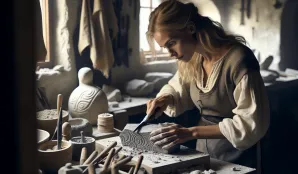
A stone sculptor works with creating artistic and functional objects by processing and shaping stone materials. Typical tasks include selecting the right stone, sketching designs, chiseling and polishing surfaces, and detailed work to achieve the desired expression. The work can take place both in studios and outdoors, for example during restorations of culturally significant buildings, decorations in public spaces, or in the production of gravestones and sculptures. The work environment often involves heavy lifting, dust, and noise, requiring good physical fitness and safety awareness. Stone sculptors sometimes collaborate with clients, architects, or other artists, and the profession often involves periods of intensive work before delivery or exhibitions.
Salary development over time
The salary for stone sculptors has shown a steady increase over the past three years. In 2022, the average salary was 36,200 SEK per month, which increased to 39 779 SEK during 2023. In 2024, the average salary was 41 986 SEK per month, representing a total increase of approximately 10% over the period. This positive trend can largely be explained by increased demand for craftsmanship in building conservation, restoration, and public art, alongside a limited supply of qualified stone sculptors. The level of education and specialization within the profession also contribute to salary development, as does a growing appreciation for traditional craftsmanship in society.
Stone sculptor salary – comprehensive overview
- Average salary: 41 986 SEK/month
- Lowest/Highest salary: No statistical data available
- Hourly wage: 239 SEK/hour
- Gender differences: Specific salary data for men and women are not available
- Regional differences: No data available on regional salary differences
Education and qualifications
The educational path to becoming a stone sculptor is often artistic and craft-oriented, where both formal studies and practical experience are important. Many choose to attend art or craft schools, but apprenticeships and specialized courses are also common. Prior knowledge in art, design, or craft is valuable, and ongoing further education is typical to stay updated on techniques and materials.
- Formal education: Art or craft education at secondary or post-secondary level (2–4 years)
- Specialized courses: Courses in stonemasonry, sculpture, and material science
- Internships: Apprenticeships or practical training with established sculptors
- Prerequisites: Artistic portfolio and basic knowledge of design
- Further education: Workshops and master classes in specific techniques
Many stone sculptors combine their artistic work with assignments in restoration or building conservation. This provides variety in tasks and the opportunity to contribute to the preservation of cultural heritage.
Common benefits and compensations
Among the most common benefits for stone sculptors are wellness allowances, work clothing, and sometimes access to specialized equipment or workshop facilities. Larger employers may also include insurance, pension contributions, and professional development as part of the employment package.
Competition and challenges
The profession of stone sculptor is characterized by a limited job market and high competition for commissions, especially in artistic projects and public decorations. Many work as self-employed or on a project basis, which can cause income and workload fluctuations. Technological advances in machinery and digital sculpting challenge traditional methods, but demand for genuine craftsmanship and unique artistic expression remains. Establishing oneself may take time and often requires a strong network within the cultural sector and marketing skills. Long-term success depends on both artistic skill and business acumen.
Tips for aspiring stone sculptors
To succeed as a stone sculptor, it is good to combine patience with a strong sense for details. Being meticulous and methodical helps with precision work and reduces the risk of mistakes in the heavy material. Creativity is essential for developing unique expressions and solving technical challenges during work. Good physical condition facilitates daily tasks, which often involve heavy lifting and repetitive movements. Building a network within the cultural and construction sectors can lead to more commissions and collaborations. Curiosity and willingness to continually learn new techniques or materials are important qualities for development in the profession. Early documentation and showcasing of your work, for example through a digital portfolio, can be crucial for attracting clients and employers.
Key facts about Stone Sculptors
- Education level: Post-secondary art or craft education (2–4 years)
- Work environment: Workshop, studio, and sometimes outdoor settings
- Typical employment: Self-employed or project-based employment
- Demand: Limited number of positions, 620 available jobs within the profession
- Special skills: Material knowledge, design, and restoration
Career paths and future prospects
After three to five years in the profession, many stone sculptors have built a broader client base and can undertake more advanced or specialized projects, such as restoring historic buildings or creating public art. Some choose to further develop their artistic practice and exhibit their own works, while others engage in teaching or start their own business. According to the Swedish Public Employment Service's forecasts, it is difficult to make an exact assessment for stone sculptors due to limited statistical data, but opportunities exist within the visual artists group where 620 jobs were listed. Future prospects are strongly influenced by societal investments in culture, construction, and preservation, as well as the individual's ability to network and market their services.
Frequently asked questions about Stone Sculptors
- What does a stone sculptor earn?
- The average salary is 41 986 SEK per month, with an hourly wage of 239 SEK. - What education is required to become a stone sculptor?
- Post-secondary art or craft education and often an internship or apprenticeship. - What is the job market like for stone sculptors?
- The job market is limited, but there are 620 available positions within the profession of visual artists. - What are the occupational health and safety risks?
- Heavy lifting, dust, noise, and risk of injury when working with machines and tools. - Can I work as a self-employed person?
- Yes, many stone sculptors choose to run their own business or work on a project basis. - What personal qualities are important?
- Accuracy, creativity, patience, and good physical condition are particularly valuable.

Salary distributed by age and sector

About the data
All information displayed on this page is based on data from the Swedish Central Bureau of Statistics (SCB), the Swedish Tax Agency and the Swedish employment agency. Learn more about our data and data sources here.
All figures are gross salaries, meaning salaries before tax. The average salary, or mean salary, is calculated by adding up the total salary for all individuals within the profession and dividing it by the number of individuals. For specific job categories, we have also considered various criteria such as experience and education.
Profession Sculptor, stone has the SSYK code 2651, which we use to match against the SCB database to obtain the latest salary statistics.


Compare salary, work tasks and job outlook in adjacent occupations to find roles with similar skills or pay levels.
-

Average salary: 51 000 SEK/month • Kultur, media, design
Directors and producers of film, theater etc.
Compare with Sculptor, stone
Tue, 14 Jul 2026 - 10:06 -

Average salary: 42 800 SEK/month • Kultur, media, design
Authors etc.
Compare with Sculptor, stone
Sat, 11 Jul 2026 - 15:07 -

Average salary: 42 800 SEK/month • Kultur, media, design
Authors etc.
Compare with Sculptor, stone
Tue, 14 Jul 2026 - 10:58 -

Average salary: 41 986 SEK/month • Kultur, media, design
Visual artists etc.
Compare with Sculptor, stone
Tue, 14 Jul 2026 - 13:04 -

Average salary: 35 600 SEK/month • Kultur, media, design
Other professions in culture and entertainment
Compare with Sculptor, stone
Mon, 13 Jul 2026 - 20:39 -

Average salary: 36 700 SEK/month • Kultur, media, design
Stage managers and script supervisors etc.
Compare with Sculptor, stone
Mon, 13 Jul 2026 - 20:01


