- Salary statistics
- Designer, game salary
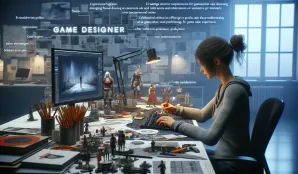
Designer, game salary
Latest available salary statistics are for 2025. Compare average pay, salary range and related job listings.
39 400 - 53 200 SEK / month
Women earn 82% of what men do.
Kultur, media, design
Related tools
Salary progression Designer, game
What does a Game Designer do? – Tasks and Work Environment
A game and digital media designer works on developing and designing game experiences, from concept to finished product. Tasks often include concept development, game design, interaction design, creating game mechanics, and balancing different elements within the game. The work is carried out in close collaboration with programmers, artists, and sound designers, making communication skills central. The work is often project-based, involving rapid changes, iterations, and testing. The work environment is usually office-based, but opportunities for remote work exist, especially within larger game studios and international companies.
Salary development over time
Salaries for game and digital media designers have shown some variation in recent years. In 2022, the average salary was 46,800 SEK per month, while in 2023 it slightly decreased to 47 700. However, in 2024, the salary has risen again to 49 300, representing an increase of approximately 4.4 percent compared to the previous year. This development reflects an increased demand for qualified game developers, while skill requirements are becoming higher. Fluctuations may also be due to changes in the gaming industry and competition for talent, with larger companies offering higher salaries to retain experienced designers. The recent year's salary increase can partly be attributed to digital transformation and a growing gaming market both nationally and internationally.
Game Designer salary – comprehensive overview
- Average salary: 49 300 SEK/month
- Lowest salary: 41,600 SEK (men), 42,100 SEK (women)
- Highest salary: 52,300 SEK (men), 44,900 SEK (women)
- Hourly wage: 287 SEK
- Gender differences: Women earn 82% of what men do (42 700 SEK vs. 51 900 SEK)
- Regional differences: Specific regional differences are lacking, but variations may occur depending on location and company size.
Education and qualifications
To work as a game designer, a post-secondary education in game design, digital media, or related creative fields is usually required. Many employers value practical experience and project portfolios highly, and it’s common to combine formal education with self-study and internships. The industry is fast-changing, making continuous skills development and adaptability important qualities.
- Post-secondary education: For example, a university degree in game design (3 years or more)
- Courses and certifications: Specialized courses in game design, UX, graphics
- Internships/Trainee programs: Internships or trainee programs at game studios
- Prerequisites: Basic knowledge of design principles and digital tools
- Self-study/Online: Online courses, tutorials, and participation in game jams
- Tips for choosing: A strong portfolio and experience from personal game projects are highly valuable
Many game designers regularly participate in “game jams” – intensive competitions where small teams create game prototypes in just a few days. These events are not only a way to build a portfolio but also an excellent networking opportunity and a chance to quickly test new ideas.
Common benefits and compensations
Game industry designers are often offered benefits such as wellness allowances, flexible working hours, remote work options, and access to modern work tools. Other common compensations include bonus programs, skills development, and sometimes profit sharing, especially at larger studios. Employers also emphasize creating a creative and inclusive work environment where employees participate in training and industry events.
Competition and challenges
The competition for positions as a Game Designer in the digital media industry is intense, especially in larger cities and at leading studios. The industry is characterized by high demands for technical and creative skills, and work samples and portfolios often determine hiring decisions. Rapid technological development requires ongoing education and adaptation to new tools and methods. Challenges may also include project-based employment and periods of high workload, especially before launches. Despite this, the profession attracts many due to the opportunity to realize personal ideas and work in international teams.
Tips for aspiring Game Designers
To succeed as a game designer, it’s good to combine creativity with technical understanding and strong collaboration skills. Building a solid portfolio through personal projects and participation in game jams demonstrates initiative and drive. Curiosity and willingness to learn new tools and techniques facilitate keeping up with industry developments. Good communication skills ease collaboration in cross-functional teams where ideas and feedback are exchanged continuously. It’s also important to be persistent and solution-oriented, as game development often involves many revisions and challenges before the final product. Networking and building relationships in the industry can open doors to new opportunities and projects. Finally, a structured working approach is appreciated, especially when balancing creative freedom with project requirements and deadlines.
Key facts about Game Designer
- Educational level: Post-secondary education (at least 3 years)
- Work environment: Office-based, often project-oriented
- Work form: Usually full-time, sometimes remote work
- Demand: Approximately 620 job openings in 2024
- Gender distribution: Women earn 82% of men’s salary
Career paths and future outlook
After three to five years in the profession, a game designer can advance to roles such as Lead Designer, Game Producer, or take responsibility for larger parts of the development process. Experienced designers often specialize in areas like game systems, narrative design, or user experience (UX). According to the Employment Service, there is no precise forecast for this profession due to limited data, but ongoing digitalization and industry growth indicate good future prospects. The number of job openings in the group is 620, showing a certain demand, although competition for attractive positions is high. New technologies and international collaborations also open up more career opportunities and possibilities to work globally.
Frequently asked questions about Game Designer
- What does a Game Designer earn?
- A game designer has an average salary of 49 300 SEK per month, but this can vary depending on experience, education, and employer. - What is required to become a Game Designer?
- Post-secondary education in game design or digital media, along with a strong portfolio and practical experience, are usually necessary. - Are there salary differences between men and women?
- Yes, women earn on average 82% of what men do within the profession. - What does the job market look like for a Game Designer?
- There are approximately 620 job openings, but competition for attractive positions is high. - What are the typical tasks of a Game Designer?
- Developing game ideas, creating game mechanics, and collaborating with other specialists in project teams. - What education is recommended?
- Higher education in game design, digital media, or related fields, along with supplementary courses and internships. - Is remote work possible?
- Yes, the possibility of remote work is increasing, especially with larger or international employers.

Salary distributed by age and sector
| Age | Base salary | Monthly salary | |
|---|---|---|---|
| 25-34 | 89% | 44400 kr | 44500 kr |
| 35-44 | 77% | 51700 kr | 51800 kr |
| 45-54 | 55400 kr | 55600 kr | |
| Snitt | 82% | 49200 kr | 49300 kr |
| Age | Base salary | Monthly salary | |
|---|---|---|---|
| 35-44 | 39800 kr | 39800 kr | |
| 45-54 | 45600 kr | 45800 kr | |
| Snitt | 43600 kr | 43700 kr |
| Age | Base salary | Monthly salary | |
|---|---|---|---|
| 35-44 | 39800 kr | 39800 kr | |
| 45-54 | 45600 kr | 45800 kr | |
| Snitt | 43600 kr | 43700 kr |
| Age | Base salary | Monthly salary | |
|---|---|---|---|
| 25-34 | 89% | 44400 kr | 44500 kr |
| 35-44 | 77% | 51700 kr | 51800 kr |
| 45-54 | 55400 kr | 55700 kr | |
| Snitt | 82% | 49200 kr | 49300 kr |
| Age | Base salary | Monthly salary | |
|---|---|---|---|
| 25-34 | 89% | 44400 kr | 44500 kr |
| 35-44 | 77% | 51700 kr | 51800 kr |
| 45-54 | 55400 kr | 55700 kr | |
| Snitt | 82% | 49200 kr | 49300 kr |
| Age | Base salary | Monthly salary | |
|---|---|---|---|
| 25-34 | 89% | 46000 kr | 46100 kr |
| 35-44 | 77% | 55400 kr | 55500 kr |
| 45-54 | 55300 kr | 55500 kr | |
| Snitt | 82% | 51800 kr | 51900 kr |
| Age | Base salary | Monthly salary | |
|---|---|---|---|
| 35-44 | 40600 kr | 40600 kr | |
| 45-54 | 45600 kr | 45800 kr | |
| Snitt | 44500 kr | 44600 kr |
| Age | Base salary | Monthly salary | |
|---|---|---|---|
| 35-44 | 40600 kr | 40600 kr | |
| 45-54 | 45600 kr | 45800 kr | |
| Snitt | 44500 kr | 44600 kr |
| Age | Base salary | Monthly salary | |
|---|---|---|---|
| 25-34 | 89% | 46000 kr | 46100 kr |
| 35-44 | 77% | 55500 kr | 55600 kr |
| 45-54 | 55400 kr | 55500 kr | |
| Snitt | 82% | 51800 kr | 51900 kr |
| Age | Base salary | Monthly salary | |
|---|---|---|---|
| 25-34 | 89% | 46000 kr | 46100 kr |
| 35-44 | 77% | 55500 kr | 55600 kr |
| 45-54 | 55400 kr | 55500 kr | |
| Snitt | 82% | 51800 kr | 51900 kr |
| Age | Base salary | Monthly salary | |
|---|---|---|---|
| 25-34 | 89% | 41100 kr | 41200 kr |
| 35-44 | 77% | 42600 kr | 42800 kr |
| Snitt | 82% | 42500 kr | 42700 kr |
| Age | Base salary | Monthly salary | |
|---|---|---|---|
| 25-34 | 89% | 41100 kr | 41200 kr |
| 35-44 | 77% | 42600 kr | 42800 kr |
| Snitt | 82% | 42500 kr | 42700 kr |
| Age | Base salary | Monthly salary | |
|---|---|---|---|
| 25-34 | 89% | 41100 kr | 41200 kr |
| 35-44 | 77% | 42600 kr | 42800 kr |
| Snitt | 82% | 42500 kr | 42700 kr |

About the data
All information displayed on this page is based on data from the Swedish Central Bureau of Statistics (SCB), the Swedish Tax Agency and the Swedish employment agency. Learn more about our data and data sources here.
All figures are gross salaries, meaning salaries before tax. The average salary, or mean salary, is calculated by adding up the total salary for all individuals within the profession and dividing it by the number of individuals. For specific job categories, we have also considered various criteria such as experience and education.
Profession Designer, game has the SSYK code 2173, which we use to match against the SCB database to obtain the latest salary statistics.
-

Web Developer – Modern Tech & Innovative Team in Stockholm
Designers in games and digital media
Tue, 21 Jul 2026 - 04:09 -

Student Position in Web Design and SEO – Security Industry in Stockholm
Designers in games and digital media
Tue, 14 Jul 2026 - 21:27 -

2D Artist at Hacksaw Studios in Stockholm
Designers in games and digital media
Tue, 14 Jul 2026 - 20:38 -
Website Development Intern – Build and Develop Digital Products
Designers in games and digital media
Fri, 10 Jul 2026 - 22:04
Compare salary, work tasks and job outlook in adjacent occupations to find roles with similar skills or pay levels.
-

Mixers, sound technicians salary
Average salary: 39 700 SEK/month • Kultur, media, design
Lighting, sound and stage technicians
Compare with Designer, game
Sat, 25 Jul 2026 - 05:12 -

Average salary: 37 300 SEK/month • Kultur, media, design
Actors
Compare with Designer, game
Sun, 26 Jul 2026 - 00:30 -
Average salary: 45 500 SEK/month • Kultur, media, design
Journalists etc.
Compare with Designer, game
Fri, 24 Jul 2026 - 06:32 -

Average salary: 35 600 SEK/month • Kultur, media, design
Other professions in culture and entertainment
Compare with Designer, game
Sat, 25 Jul 2026 - 09:48 -

Average salary: 38 900 SEK/month • Kultur, media, design
Librarians and archivists
Compare with Designer, game
Sun, 26 Jul 2026 - 01:22 -

Average salary: 47 400 SEK/month • Kultur, media, design
Musicians, singers and composers
Compare with Designer, game
Mon, 20 Jul 2026 - 07:20


