Latest posts
Image that illustrates

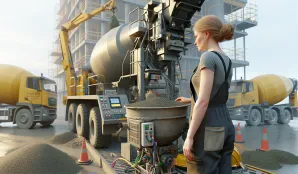
A Bergtruckförare is responsible for operating and managing large trucks in underground environments, often within mining and construction projects. The primary tasks include transporting ore, stones, ballast, or other materials between different locations in mining tunnels, shafts, and underground facilities. The operator needs to have good knowledge of safety procedures, machinery technology, and be able to work both independently and in teams. The work environment is characterized by noise, dust, limited light, and sometimes confined spaces, demanding high attention and safety awareness. Shift work is common, and the days can be physically demanding.

Read more ->
Image that illustrates

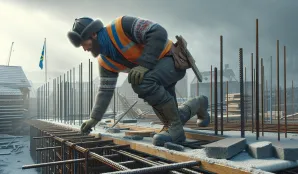
A mining engineer primarily works with planning, leading, and optimizing processes within mining technology and metallurgy. Tasks often include designing mines, evaluating ore deposits, developing extraction methods, and managing operations related to mineral extraction and processing. Much of the work involves collaboration with other technical specialists, geologists, and production staff. The work environment can range from office work with analysis and project management to fieldwork at mines and facilities, where safety and environmental standards demand high precision and responsibility.

Read more ->
  • Public Opinion - Opinion Poll Status Novus: Unchanged Support – Social Democrats Largest
    Wed, 19 Nov 2025 - 08:35
  • National Debt - The National Debt – Level, Development, and Significance for Sweden
    Wed, 8 Oct 2025 - 08:00
Image that illustrates What does a Bedrock Geologist do? – Tasks and Work Environment
What does a Bedrock Geologist do? – Tasks and Work Environment

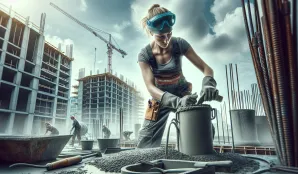
A Bedrock Geologist analyzes and interprets the solid rocks of the Earth's crust to understand their composition, structure, and development history. Tasks include field studies, sampling, laboratory analyses, and report writing, often within prospecting, environmental assessment, or infrastructure projects. Bedrock Geologists regularly collaborate with other specialists and may work outdoors in varied terrain or indoors at computers for analysis and documentation. The work environment combines independent work and teamwork, with travel to different locations where geological investigations are needed.

Read more ->
Image that illustrates What does a Beredningsjurist do? – tasks and work environment
What does a Beredningsjurist do? – tasks and work environment

Beredningsjurister primarily work with preparing and handling cases for decision-making within authorities, courts, or other legal bodies. The role involves investigating legal questions, analyzing legislation, preparing decision bases, and sometimes presenting cases before decision-makers. Beredningsjurister often collaborate with other lawyers, case handlers, and decision-makers to ensure that cases are managed correctly and efficiently. The work environment is typically office-based, characterized by a fast pace, analytical tasks, and high demands for accuracy. The position often involves working under tight deadlines and strict quality standards, requiring strong organizational skills and legal expertise.

Read more ->
Image that illustrates What does a development engineer in textiles and wood do? – Tasks and work environment
What does a development engineer in textiles and wood do? – Tasks and work environment

A development engineer specializing in textiles and wood is responsible for planning, organizing, and streamlining production processes within these material areas. The role involves developing and improving methods for preparation, processing, and manufacturing, often in close collaboration with production staff, developers, and quality managers. The work environment varies between office work, laboratory settings, and direct presence in production. The focus is on optimizing workflows, ensuring quality, and contributing to sustainable solutions within the textile and wood industries.

Read more ->
Image that illustrates What does a Development Engineer in Telecommunications do? – Tasks and Work Environment
What does a Development Engineer in Telecommunications do? – Tasks and Work Environment

A Development Engineer in telecommunications is responsible for planning, designing, and preparing technical solutions for telecommunications networks and infrastructures. The work includes creating technical drawings, calculating material requirements, coordinating with contractors, and ensuring that projects comply with applicable standards and regulations. The role often involves close collaboration with project managers, technicians, and suppliers to ensure installations and upgrades are carried out efficiently and safely. The work environment is typically office-based, but fieldwork occurs, especially during site visits and inspections of ongoing projects.

Read more ->
Image that illustrates What does a manufacturing engineer in mechanical engineering do? – Tasks and work environment
What does a manufacturing engineer in mechanical engineering do? – Tasks and work environment

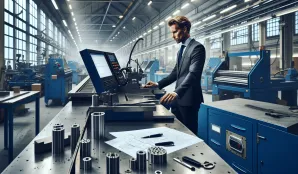
Manufacturing engineers in mechanical engineering are responsible for planning, developing, and optimizing processes for manufacturing machine parts and components. Their tasks often include analyzing technical drawings, developing work instructions, selecting materials and production methods, and ensuring that production occurs resource-efficiently and with quality assurance. The role also involves collaborating with designers, production staff, and purchasers to solve technical problems and improve production flows. The work environment is typically based in industrial companies or workshops, involving both office work and presence on the production floor.

Read more ->
Image that illustrates What does a Process Engineer in Chemical Engineering do? – Tasks and Work Environment
What does a Process Engineer in Chemical Engineering do? – Tasks and Work Environment

A process engineer in chemical engineering is responsible for planning, developing, and optimizing processes within chemical production. The role involves analyzing and improving manufacturing methods, ensuring quality and efficiency, and working closely with both production and research and development. Typical tasks include creating process descriptions, testing new raw materials and techniques, and troubleshooting operational issues. The work environment is often diverse, switching between laboratory work, office tasks, and on-site production, where safety protocols and precision are central to daily routines.

Read more ->
Image that illustrates What does a preparation engineer in electric power do? – Tasks and work environment
What does a preparation engineer in electric power do? – Tasks and work environment

A preparation engineer in electric power works with planning, design, and preparation of power grids and facilities for electricity distribution. The role involves investigating, sizing, and cost-estimating new electrical installations, as well as developing technical solutions for reconstructions and maintenance of existing networks. Contact with contractors, project managers, and authorities is often extensive, and the work is carried out in close collaboration with other technical specialists. The work environment is primarily office-based, but site visits for inspection of facilities and construction sites are regularly conducted.

Read more ->
Image that illustrates What does an electronics preparation engineer do? – Tasks and work environment
What does an electronics preparation engineer do? – Tasks and work environment

An electronics preparation engineer is responsible for planning, preparing, and optimizing manufacturing processes for electronic components and systems. Tasks include creating work instructions, selecting materials and production methods, and ensuring drawings and technical specifications are followed. The role requires close collaboration with production, development, and quality assurance to achieve high efficiency and quality. The work environment is typically office-based but may also involve regular visits to production facilities or factories, often characterized by technology-intensive settings and sometimes a fast pace.

Read more ->