News and articles
- Home
- Articles

Latest posts

A process engineer in mining and metallurgy mainly works on developing, optimizing, and monitoring processes for extracting and refining metals and minerals. Tasks include designing and improving production flows, quality control, environmental work, and troubleshooting in complex technical systems. Collaboration with other engineers, technicians, and production staff is common to ensure facilities operate efficiently and sustainably. The work environment can vary between laboratories, offices, and heavy industrial settings where safety routines are central. Flexibility and problem-solving skills are important traits in this role.
Read more ->
A production engineer in mining and metallurgy is responsible for optimizing and monitoring production processes in mining operations and metal manufacturing. Tasks include process development, quality control, operations supervision, and implementing new technical solutions to improve efficiency and safety. It often involves data analysis, evaluating production results, and suggesting improvements. The work environment can vary between office settings and work on-site at production facilities or mines, where high safety standards are required. Collaboration with operators, technicians, and other engineers is central, as is communication with management and external suppliers.
Read more ->-
Opinion Poll Status Novus: Unchanged Support – Social Democrats Largest
Wed, 19 Nov 2025 - 08:35 -
The National Debt – Level, Development, and Significance for Sweden
Wed, 8 Oct 2025 - 08:00
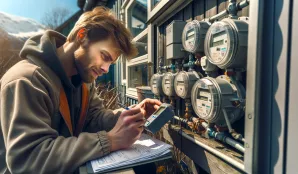
A control technician in mining and metallurgy is responsible for monitoring, controlling, and quality-assuring processes in mineral and metal extraction and refining. Typical tasks include installing, testing, and calibrating measurement instruments, monitoring automated systems, and analyzing process data to detect deviations. The work often takes place in an industrial environment where safety procedures are central, and the work environment can be noisy and physically demanding. Collaboration with engineers, process operators, and maintenance staff is common, as well as working in shifts or on-call to ensure continuous operation.
Read more ->
A care worker/mentor in a day center supports individuals with various functional variations in their daily activities and social contexts. The tasks include planning, executing, and following up on activities that promote development, participation, and independence for the participants. The work often takes place in groups, but individual support is also common. The work environment is characterized by close contact with users, a clear pedagogical approach, and collaboration with colleagues, relatives, and other healthcare and social care professionals. Flexibility, patience, and responsiveness are important qualities to meet the diverse needs of participants in an environment where no two days are the same.
Read more ->
A process operator specializing in converter/anode works in the metal industry and is responsible for monitoring, controlling, and optimizing processes in the production and treatment of metals. Tasks often include handling and adjusting machines, monitoring process parameters, and ensuring the production meets quality and safety standards. The role also involves troubleshooting, maintenance, and collaboration with technicians and engineers to improve processes. The work environment is typically industrial, involving shift work, noisy environments, and sometimes handling chemicals or high temperatures.
Read more ->
A Fritidsgårdsföreståndare or fritidspedagog is responsible for creating a safe and developmental environment for children and youth at leisure centers, schools, or after-school programs. Tasks include planning and leading activities, supervising staff, and collaborating with parents and other stakeholders. The role often involves engaging with young people of different ages and needs, actively promoting inclusion, social development, and meaningful leisure time. The work environment is varied and demands flexibility and strong leadership skills, as activities can range from calm evenings to periods of high activity.
Read more ->
A doctoral student within colleges and universities dedicates most of their time to research within their specific subject area. Tasks include planning and conducting scientific studies, analyzing data, writing scientific articles, and participating in seminars and conferences. Teaching and supervision of undergraduate students can also be included, as well as administrative tasks related to research projects. The work environment is characterized by independent work in close collaboration with supervisors and research groups, often in international and interdisciplinary settings.
Read more ->
A process engineer in mining and metallurgy is responsible for developing, optimizing, and monitoring technical processes involved in the extraction and refining of metals and minerals. Tasks often include analyzing raw materials and process flows, quality assurance, energy efficiency, and implementing new technologies. The process engineer works closely with production teams, environmental experts, and management to ensure operations are safe, efficient, and sustainable. The work environment varies between office work, laboratories, and field visits to mines or processing plants, requiring both technical skills and good communication abilities.
Read more ->
A recreation center director, often with a background as a leisure pedagogue, plays a central role in leading and developing activities for children and youth at community centers. Tasks include planning and organizing activities, managing staff and budgets, and creating a safe and stimulating environment for visitors. Working closely with young people and supporting their social development is a key part of the role. The work environment involves meeting many people, varying working hours, and a fast pace, where flexibility and good communication skills are essential. The work is often team-based with other youth leaders and educators, but requires independent responsibility as well.
Read more ->
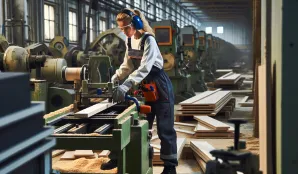
A production technician in mining/metallurgy works on developing, optimizing, and monitoring processes involved in extracting and refining metals and minerals. Tasks often include streamlining production flows, quality assurance, troubleshooting, and implementing new technical solutions. The profession involves close collaboration with operators, engineers, and other technical specialists. The work environment varies between offices, laboratories, production facilities, and mining sites, requiring both technical skills and a strong ability to follow safety regulations.
Read more ->