News and articles
- Home
- Articles





Latest posts
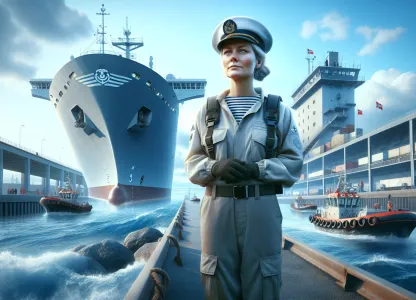
A Jungman works onboard ships and is an important part of the crew in maritime operations. The tasks are practical and varied, focusing on ship maintenance, deck work, loading and unloading, and safety routines. The role often involves assisting sailors and officers with various duties such as cleaning, painting, and equipment inspection. The work environment is diverse and mainly outdoors, meaning work is performed under changing weather conditions and sometimes for extended periods at sea. Safety awareness and good physical condition are crucial for success and well-being in this profession.
Read more ->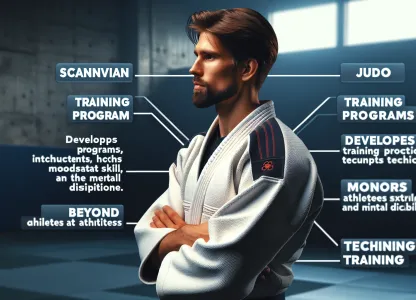
A Judoka coach is responsible for instructing and developing practitioners in judo techniques, tactics, and physical ability. The work includes planning and conducting training sessions, individual and group exercises, as well as coaching athletes before and during competitions. Judoka coaches often work in sports clubs, schools, or specialized clubs and collaborate with other coaches and leaders. The work environment is characterized by physical activity, varying work hours, and a strong focus on safety and pedagogy.
Read more ->-

Opinion Landscape: Novus February 2026 – Social Democrats Still Largest
Thu, 19 Feb 2026 - 01:35 -

Policy rate remains at 1.75% – Riksbank signals stability
Thu, 29 Jan 2026 - 14:02


A journalist works with collecting, reviewing, editing, and communicating information to the public through various channels such as newspapers, radio, television, and digital platforms. Tasks include interviewing people, investigating social issues, writing reports and news articles, and producing segments for broadcast media. The work is often characterized by tight deadlines, high pace, and demands for accuracy, while also requiring the ability to handle unexpected events and adapt to a changing media landscape. The working environment can vary from offices and newsrooms to fieldwork, which may involve travel or working at inconvenient hours.
Read more ->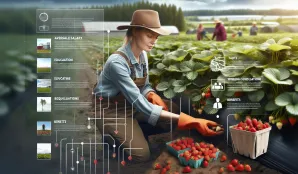
A strawberry picker is responsible for the entire process of strawberry cultivation, from planning and soil preparation to harvest and sales. The work includes manual tasks as well as machine-assisted activities, such as planting, fertilizing, watering, and pest control. During the harvest season, the pace is high and workdays are often long, especially in favorable weather when the berries ripen quickly. The cultivation environment is outdoors and involves both physical effort and some exposure to weather, requiring endurance and flexibility. In addition to practical tasks, administrative duties, sales planning, and sometimes personnel management during peak season are often included.
Read more ->
An Agricultural Advisor functions as a specialist and support for farmers and companies within the agricultural sector. Tasks include analyzing economic and technical conditions, providing advice on crop selection, plant protection, animal husbandry, and environmental issues, as well as developing strategies for increased profitability and sustainability. Advisory work can be conducted both on-site at the client’s location and via digital channels, resulting in a varied work environment with elements of field visits, office work, and meetings. Collaboration with authorities, research institutions, and other advisors is common.
Read more ->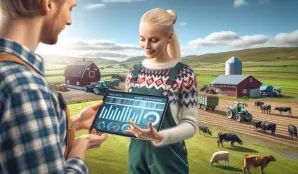
An Agricultural Consultant works by providing advice and support to farmers and companies within the agricultural sector. Tasks often include analyzing cultivation methods, financial planning, environmental issues, and implementing new technology. The consultant acts as a link between practical farming activities and research results or regulatory requirements. Work takes place both in the field, where direct contact with farmers is central, and in offices, where documentation, reporting, and analysis constitute a significant part of daily work. Flexibility and good communication skills are important qualities for success in this role.
Read more ->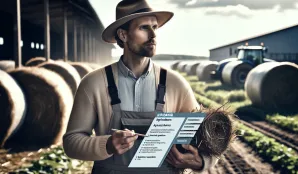
An Agricultural Instructor works to educate, supervise, and advise farmers, students, or other professionals within the agricultural sector. Tasks often include planning and conducting practical and theoretical training, providing advice on cultivation, animal husbandry, and environmental issues, as well as developing new work methods in agriculture. The work environment can vary between classrooms, farm visits, and advisory settings, requiring good communication skills and practical experience of everyday farm life. The role also involves collaboration with other specialists and industry actors to ensure high-quality training that is up-to-date with the latest research and regulations.
Read more ->
An agricultural researcher works on developing and improving methods within agriculture through scientific research. Tasks often include planning and conducting experiments in crop production, animal husbandry, or soil science, analyzing results, and publishing scientific findings. The work environment varies between laboratories, fieldwork on farms, and offices where data is processed and reports are written. Collaboration with agricultural companies, authorities, and other researchers is a central part of the profession, as is staying updated on the latest research in the field.
Read more ->
An agricultural worker in crop production is responsible for the entire production chain of agricultural crops, from sowing to harvest. Tasks include planning the growing season, soil preparation, sowing, watering, fertilization, and weed and pest control. During the harvest period, work is often intense and requires flexibility, as weather and market conditions can affect working hours and activities. The work environment varies between fields, greenhouses, and machinery halls, and much of the work is outdoors with heavy machinery and tools. Seasonal variations mean that workload can be high at certain times, while winter months are sometimes used for planning, maintenance of equipment, and administration.
Read more ->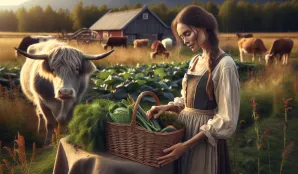
Farmers work with growing crops and raising animals on farms of varying sizes. Tasks include planning, sowing, harvesting, feeding, animal health, machinery maintenance, and selling products. Many farmers run their own operations, involving both strategic decisions and daily chores. The work environment is often physically demanding, with long outdoor days, sometimes in tough weather conditions. Technological advances have led to increased mechanization, but the work still requires practical skill and flexibility.
Read more ->