News and articles
- Home
- Articles






Latest posts
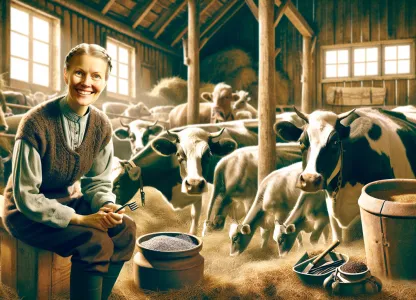
A dairy farm worker in livestock is responsible for the daily care of animals on the farm, primarily cows, pigs, sheep, or goats. Tasks include feeding the animals, ensuring access to clean water, cleaning stables, and monitoring animal health. Many workers also assist with births, perform simple medical procedures, and report anomalies to animal owners or veterinarians. The work environment is often physically demanding and outdoors-based, with early mornings and work during weekends and public holidays. Ergonomic challenges and contact with animals require strength, endurance, and precision.
Read more ->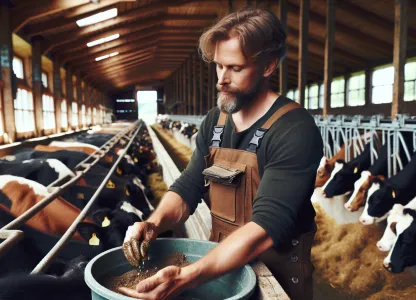
A farm manager within agricultural livestock is responsible for the daily operation of barns and other facilities where cattle, pigs, sheep, or other farm animals are kept. Tasks include supervising and caring for animals, feeding, monitoring health, and planning work schedules for staff. The role also involves reporting on animal conditions, following animal welfare regulations, and coordinating efforts during illness or calving. The work environment is physically demanding and often outdoors or in barn settings, with varying shifts and sometimes on-call duties when extra supervision is needed.
Read more ->-

Opinion Landscape: Novus February 2026 – Social Democrats Still Largest
Thu, 19 Feb 2026 - 01:35 -

Policy rate remains at 1.75% – Riksbank signals stability
Thu, 29 Jan 2026 - 14:02

A farm manager in agricultural livestock is responsible for the operation and care of farm animal herds, such as cows, pigs, or sheep. Tasks include daily supervision, feeding, health checks, breeding planning, documentation, and managing staff at larger farms. The profession is practical and often involves direct contact with animals, demanding good animal knowledge and responsibility. The work environment includes both indoor and outdoor work, with physical tasks and working at inconvenient hours, especially during calving or illness among the animals.
Read more ->
A farm manager in mixed operations is responsible for leading and coordinating the farm's activities, which include both animal husbandry and crop cultivation. Tasks involve planning work efforts, monitoring animal health, machinery maintenance, and caring for the cultivated land. The role also requires budgeting, personnel planning, and often close collaboration with others in agriculture, such as advisors and suppliers. The work environment is varied and may involve indoor and outdoor work, often in changing weather conditions, with high demands on flexibility and problem-solving skills.
Read more ->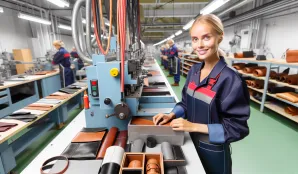
Leather goods workers mainly work with manufacturing, repairing, and processing leather products such as bags, belts, shoes, and other accessories. Tasks can include cutting, sewing, assembly, surface treatment, and quality control. The profession often involves both traditional hand tools and advanced machinery, requiring good technical understanding and dexterity. The work environment is typically workshop- or factory-based, where noise, dust, and strong odors from materials and adhesives may be present. Safety regulations and ergonomic aids are important to reduce strain injuries and other work-related risks.
Read more ->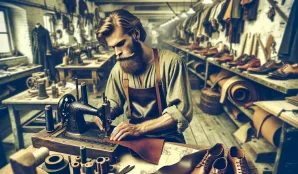
A leather seamster works with sewing, repairing, and manufacturing products in leather, such as bags, shoes, belts, and custom orders for industry or crafts. The work is often carried out in small workshops, studios, or smaller industrial environments where both machine sewing and handwork are involved. The work environment is characterized by precision, accuracy, and often repetitive movements, as detailed leather sewing requires high skill and patience. It is common for leather seamsters to handle various machines and tools, and to communicate with customers and suppliers to ensure high quality of the final product.
Read more ->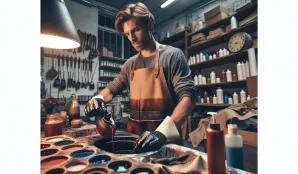
Leather dyers primarily work with treating and dyeing leather within the textile, leather, and tannery industries. Tasks include preparing raw materials, mixing and applying dyes, and monitoring the coloring process in specialized machines. It is important to follow precise instructions to ensure an even and durable dyeing, often according to customer specifications. The work environment is usually industrial and can involve working in noisy and humid locations, sometimes with contact with chemicals and machinery that require careful handling and safety awareness.
Read more ->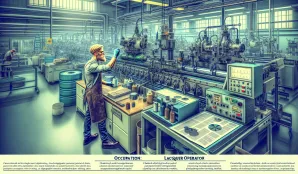
A lack cooker primarily works with producing and processing lacquers and similar chemical products within industry. The profession involves monitoring and controlling machines and processes that mix, heat, and cook raw materials into finished lacquer products. The work often takes place in larger production facilities where high demands are placed on accuracy, quality, and safety. The work environment can be noisy and involve contact with chemicals, requiring the use of protective equipment and good knowledge of safety regulations. Maintenance of machines and quality checks of the products produced are also often included.
Read more ->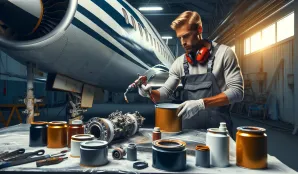
An industrial painter primarily works with applying protective and decorative coatings to metals, plastics, or other materials within manufacturing industries. Tasks include surface pre-treatment, mixing paints and coatings, and precise application using spray guns or other tools in specialized spray booths. High demands are placed on accuracy, precision, and safety, especially since work often occurs in environments with strong chemicals and ventilation systems. The work environment can be noisy and requires protective gear such as respirators and coveralls to minimize health and safety risks.
Read more ->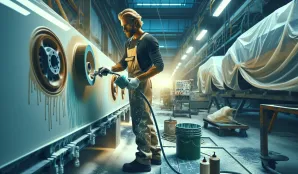
A painter within craftsmanship mainly works with treating and finishing various materials, typically wood, metal, or plastic, to give them the desired color and surface. The work is often carried out in carpentry shops, workshops, or industrial companies where painting of furniture, interior details, or building components is common. The work environment emphasizes precision and good ventilation, as different chemicals and paints are used. Many painters work both independently and in teams, and the profession demands high accuracy, color perception, and the ability to follow safety routines to avoid exposure to hazardous substances.
Read more ->