- Salary statistics
- Barn foreman, the farm pet salary
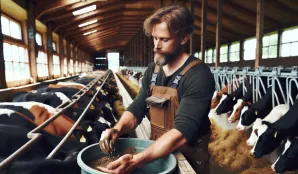
Barn foreman, the farm pet salary
Latest available salary statistics are for 2025. Compare average pay, salary range and related job listings.
29 000 - 33 900 SEK / month
Women earn 100% of what men do.
Naturbruk
Related tools
Salary progression Barn foreman, the farm pet
What does a farm manager within agricultural livestock do – tasks and work environment
A farm manager within agricultural livestock is responsible for the daily operation of barns and other facilities where cattle, pigs, sheep, or other farm animals are kept. Tasks include supervising and caring for animals, feeding, monitoring health, and planning work schedules for staff. The role also involves reporting on animal conditions, following animal welfare regulations, and coordinating efforts during illness or calving. The work environment is physically demanding and often outdoors or in barn settings, with varying shifts and sometimes on-call duties when extra supervision is needed.
Salary development over time
Over the past three years, the salary for a farm manager within agricultural livestock has shown relatively stable growth. In 2022, the average salary was 27,200 SEK per month. Between 2022 and 2023, the salary increased by approximately 4.4% to 29 400 SEK, which has remained unchanged into 2024. This trend reflects a period of increased valuation of the profession, likely linked to higher demand for skills and recruitment challenges. Despite this, salary increases have plateaued in the past year, indicating stabilization in the job market for these positions.
Farm manager within agricultural livestock salary – complete overview
- Average salary: 29 400 SEK/month
- Lowest salary: 27,000 SEK/month (female, private sector, high school education 3 years)
- Highest salary: 32,500 SEK/month (female, public sector, high school education up to 2 years)
- Hourly wage (average): 171 SEK/hour
- Gender differences: Men earn 29,700 SEK/month, women 29 300 SEK/month (women earn 100% of men's salary)
- Regional differences: Data on regional differences is currently unavailable
Education and qualifications
To work as a farm manager responsible for agricultural livestock, a high school education in natural resource use is typically required, preferably with a focus on animals or agriculture. Many employers also value practical experience in animal husbandry and leadership, as the role often involves personnel management. Additional courses or certifications can be advantageous, especially regarding animal health, work environment, and machinery operation.
- High school education: Natural resource program, animal focus (3 years)
- Internship: Work-based learning during education is highly recommended
- Further education: Courses in management, animal health, and machinery handling
- Certifications: Animal transport, work environment, first aid
- Prerequisites: Interest in animals and practical work experience are important
A farm manager is a profession where technology and tradition meet – digital tools for animal monitoring and feed control are becoming increasingly common in modern farms. Those combining practical experience with technical interest often have an advantage.
Common benefits and compensation
Common benefits in the profession as a farm manager include work clothing, wellness allowances, and sometimes staff housing, especially on larger farms. Some employers also offer skills development, travel allowances, or bonuses for special efforts. Pension schemes and insurance are usually included, particularly in public sector employment.
Competition and challenges
The job market for farm managers within agricultural livestock is characterized by good employment opportunities but also certain challenges. The profession faces a paradoxical recruitment situation, with a shortage of full-time workers despite an available pool of part-time employees. Physical strain, shift work, and work environment risks can make it difficult to attract new staff, while leadership skills and specialized knowledge in animal health are in demand. Technological development increases the need for digital competence and adaptability, which can be challenging for some applicants.
Tips for those wishing to become a farm manager within agricultural livestock
To succeed as a farm manager within agricultural livestock, it’s beneficial to combine a genuine interest in animals with practical problem-solving skills. Precision is crucial to ensure animal health and comply with legal requirements, while flexibility is needed to handle unforeseen events such as illness or machinery breakdowns. Good teamwork skills facilitate leadership over staff and contact with veterinarians or suppliers. It’s recommended to seek internships early to build experience and networks, and to pursue ongoing education in animal health and technology. Engagement and a sense of responsibility are valued qualities that make a difference for both animals and the team.
Key facts about farm managers within agricultural livestock
- Education level: High school education, natural resource use (3 years)
- Work environment: Practical, physically demanding work in barns and outdoor settings
- Work form: Usually full-time, but part-time work occurs
- Demand: Great opportunities for employment nationwide
- Special skills: Animal health, management, and technical equipment
Career paths and future prospects
After three to five years in the role of farm manager, there may be opportunities to advance to farm director or take greater responsibility for larger facilities. Some choose to further their education in animal health or agricultural economics to broaden their career options. According to the Swedish Public Employment Service's forecast for the profession, job opportunities remain strong, and demand is expected to stay unchanged over the next five years. Recruitment difficulties persist, especially for full-time positions, with just over 360 job openings currently available in the field. Digitalization and technological development may, over time, change the work content and create new specialized roles.
Frequently asked questions about farm managers within agricultural livestock
- What does a farm manager within agricultural livestock earn?
- The average salary is 29 400 SEK per month, with variation depending on experience and employer. - What are the gender differences in salary for a farm manager?
- Men earn on average 29,700 SEK and women 29 300 SEK, which means women earn approximately 100% of men's salary. - What education is required to become a farm manager?
- High school education in natural resource use, preferably with a focus on animals, and practical experience are recommended. - What is the job market like for a farm manager?
- Opportunities for employment are abundant, and demand is expected to remain unchanged in the coming years. - Are there opportunities for career development?
- Yes, after a few years, further education and experience can lead to roles such as farm manager or specialized positions. - What are the most common benefits in the profession?
- Common benefits include wellness allowances, work clothes, sometimes staff housing, and skills development. - What are the working hours for a farm manager?
- The work often involves shifts, weekends, and on-call duties depending on the animals' needs.

Salary distributed by age and sector
| Age | Base salary | Monthly salary | |
|---|---|---|---|
| 18-24 | 25200 kr | 26300 kr | |
| 25-34 | 28700 kr | 29300 kr | |
| 35-44 | 29700 kr | 30600 kr | |
| 45-54 | 30900 kr | 31400 kr | |
| 55-64 | 29900 kr | 30300 kr | |
| Snitt | 100% | 28700 kr | 29400 kr |
| Age | Base salary | Monthly salary | |
|---|---|---|---|
| 18-24 | 28400 kr | 30800 kr | |
| 25-34 | 99% | 29200 kr | 30800 kr |
| 35-44 | 115% | 31500 kr | 32600 kr |
| 45-54 | 32100 kr | 33400 kr | |
| 55-64 | 98% | 31000 kr | 32400 kr |
| Snitt | 99% | 30300 kr | 31800 kr |
| Age | Base salary | Monthly salary | |
|---|---|---|---|
| 18-24 | 28400 kr | 30800 kr | |
| 25-34 | 99% | 29200 kr | 30800 kr |
| 35-44 | 115% | 31500 kr | 32600 kr |
| 45-54 | 32100 kr | 33400 kr | |
| 55-64 | 98% | 31000 kr | 32400 kr |
| Snitt | 99% | 30300 kr | 31800 kr |
| Age | Base salary | Monthly salary | |
|---|---|---|---|
| 18-24 | 25200 kr | 26200 kr | |
| 25-34 | 28700 kr | 29300 kr | |
| Snitt | 99% | 28600 kr | 29300 kr |
| Age | Base salary | Monthly salary | |
|---|---|---|---|
| 18-24 | 25200 kr | 26200 kr | |
| 25-34 | 28700 kr | 29300 kr | |
| Snitt | 99% | 28600 kr | 29300 kr |
| Age | Base salary | Monthly salary | |
|---|---|---|---|
| Snitt | 100% | 29100 kr | 29500 kr |
| Age | Base salary | Monthly salary | |
|---|---|---|---|
| 25-34 | 99% | 29900 kr | 31000 kr |
| 35-44 | 115% | 28100 kr | 28800 kr |
| 55-64 | 98% | 30300 kr | 32900 kr |
| Snitt | 99% | 29600 kr | 32000 kr |
| Age | Base salary | Monthly salary | |
|---|---|---|---|
| 25-34 | 99% | 29900 kr | 31000 kr |
| 35-44 | 115% | 28100 kr | 28800 kr |
| 55-64 | 98% | 30300 kr | 32900 kr |
| Snitt | 99% | 29600 kr | 32000 kr |
| Age | Base salary | Monthly salary | |
|---|---|---|---|
| Snitt | 99% | 29100 kr | 29500 kr |
| Age | Base salary | Monthly salary | |
|---|---|---|---|
| Snitt | 99% | 29100 kr | 29500 kr |
| Age | Base salary | Monthly salary | |
|---|---|---|---|
| 18-24 | 24200 kr | 25700 kr | |
| 25-34 | 29400 kr | 30000 kr | |
| Snitt | 100% | 28300 kr | 29300 kr |
| Age | Base salary | Monthly salary | |
|---|---|---|---|
| 18-24 | 28300 kr | 30400 kr | |
| 25-34 | 99% | 29100 kr | 30700 kr |
| 35-44 | 115% | 32000 kr | 33100 kr |
| 45-54 | 32300 kr | 33200 kr | |
| 55-64 | 98% | 31100 kr | 32400 kr |
| Snitt | 99% | 30400 kr | 31800 kr |
| Age | Base salary | Monthly salary | |
|---|---|---|---|
| 18-24 | 28300 kr | 30400 kr | |
| 25-34 | 99% | 29100 kr | 30700 kr |
| 35-44 | 115% | 32000 kr | 33100 kr |
| 45-54 | 32300 kr | 33200 kr | |
| 55-64 | 98% | 31100 kr | 32400 kr |
| Snitt | 99% | 30400 kr | 31800 kr |
| Age | Base salary | Monthly salary | |
|---|---|---|---|
| 25-34 | 29400 kr | 30000 kr | |
| Snitt | 99% | 28300 kr | 29300 kr |
| Age | Base salary | Monthly salary | |
|---|---|---|---|
| 25-34 | 29400 kr | 30000 kr | |
| Snitt | 99% | 28300 kr | 29300 kr |

About the data
All information displayed on this page is based on data from the Swedish Central Bureau of Statistics (SCB), the Swedish Tax Agency and the Swedish employment agency. Learn more about our data and data sources here.
All figures are gross salaries, meaning salaries before tax. The average salary, or mean salary, is calculated by adding up the total salary for all individuals within the profession and dividing it by the number of individuals. For specific job categories, we have also considered various criteria such as experience and education.
Profession Barn foreman, the farm pet has the SSYK code 6121, which we use to match against the SCB database to obtain the latest salary statistics.
-

Stable Assistant Needed for Weekday Mornings – Östra Torns Equestrian Club
Breeders and caretakers of farm animals
Sat, 11 Jul 2026 - 20:33 -

Animal Caretaker for Pig Production – Full Time in Rural Setting
Breeders and caretakers of farm animals
Fri, 10 Jul 2026 - 21:33 -
Stable Technician at Lövsta Agricultural Research, Uppsala
Breeders and caretakers of farm animals
Thu, 9 Jul 2026 - 01:54 -

Employee Wanted for Dairy Farm (600 Cows)
Breeders and caretakers of farm animals
Mon, 6 Jul 2026 - 23:46 -

Animal Caretaker / Farm Manager at Aviagen SweChick AB
Breeders and caretakers of farm animals
Mon, 6 Jul 2026 - 17:44
Compare salary, work tasks and job outlook in adjacent occupations to find roles with similar skills or pay levels.
-

EU inspector, agricultural support salary
Average salary: 44 900 SEK/month • Naturbruk
Specialists and advisors in agriculture etc.
Compare with Barn foreman, the farm pet
Tue, 14 Jul 2026 - 08:19 -

Average salary: 44 900 SEK/month • Naturbruk
Specialists and advisors in agriculture etc.
Compare with Barn foreman, the farm pet
Tue, 14 Jul 2026 - 06:21 -

Average salary: 28 200 SEK/month • Naturbruk
Berry pickers and planters etc.
Compare with Barn foreman, the farm pet
Tue, 14 Jul 2026 - 10:06 -

Average salary: 29 400 SEK/month • Naturbruk
Breeders and caretakers of farm animals
Compare with Barn foreman, the farm pet
Mon, 13 Jul 2026 - 18:23 -

Processing worker, garden salary
Average salary: 30 200 SEK/month • Naturbruk
Horticulturists
Compare with Barn foreman, the farm pet
Tue, 14 Jul 2026 - 08:16 -

County hunting care consultant salary
Average salary: 44 800 SEK/month • Naturbruk
Specialists and advisors in forestry
Compare with Barn foreman, the farm pet
Mon, 13 Jul 2026 - 20:01


