- Salary statistics
- Farm, plant cultivation salary
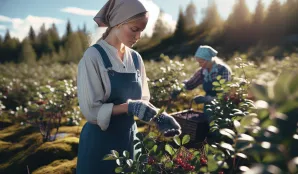
Farm, plant cultivation salary
Latest available salary statistics are for 2025. Compare average pay, salary range and related job listings.
26 500 - 29 000 SEK / month
Women earn 100% of what men do.
Naturbruk
Related tools
Salary progression Farm, plant cultivation
What does a farmhand in crop production do? – Tasks and work environment
A farmhand in crop production primarily works with caring for and maintaining crops on farms and plantations. Tasks vary depending on season and crop type, but often include sowing, planting, weed control, watering, harvesting, and basic machinery maintenance. The work is physically demanding and largely outdoors, meaning weather conditions affect both the work environment and working hours. Collaboration with others on the farm is common, but independent responsibility for certain tasks also occurs. The work environment is characterized by long working days during peak season and periods of less work during winter.
Salary development over time
The profession of farmhand in crop production has shown a clear increase in salary over the past three years. In 2022, the average salary was 23,500 SEK per month, which increased to 27 500 SEK in 2023. The latest recorded salary for 2024 shows a further rise to 28 200 SEK, corresponding to a total increase of approximately 17% over three years. This positive trend can be explained by increased demand for labor in agriculture, inflation effects, and heightened competition for seasonal workers. Changes in collective agreements and improved conditions for seasonal employees have also contributed to salary development. Despite this, the salaries remain relatively low compared to other professions, but the trend indicates continued stable growth.
Farmhand, crop production salary – complete overview
- Average salary: 28 200 SEK/month
- Lowest salary: 24,900 SEK/month (public sector, post-secondary education)
- Highest salary: 28,500 SEK/month (regional sector, high school education, man)
- Hourly wage: 165 SEK/hour (based on 166 hours/month)
- Gender differences: Men earn 28 200 SEK/month, women 26,800 SEK/month (women earn 100% of men's salary)
- Regional differences: Highest salaries are found within the regional sector
Education and qualifications
To work as a farmhand in crop production, no formal higher education is usually required, but high school education in natural resource management or agriculture is highly advantageous. Practical experience and interest in everyday farming are highly valued, and many employers appreciate flexibility and willingness to learn new tasks on-site. Some tasks may require specific certifications, such as tractor licenses or machinery certificates.
- High school education: Natural resource management program, 3 years
- Certifications: Tractor license and possibly machinery operation permits
- Internships: On-the-job training during education or summer jobs
- Prerequisites: Physical endurance and interest in outdoor work
- Self-study: Opportunities to learn through online courses in crop production and machinery maintenance
Many farmhands in crop production acquire broad knowledge by working on different types of farms and plantations. This variation provides a unique understanding of various crops and cultivation methods, which is often appreciated by employers and can lead to greater responsibilities over time.
Common benefits and compensations
Benefits for farmhands in crop production often include free or subsidized work clothing, accommodation during the season, meal allowances, and sometimes bonuses for good harvests. The work can also provide access to wellness allowances and insurance through collective agreements. Some employers offer training in machinery operation or further education in cultivation techniques.
Competition and challenges
The job market for farmhands in crop production is characterized by relatively high competition, especially during the low season. During peak season, however, the demand for labor increases significantly, providing more employment opportunities. Challenges in the profession include long workdays, physically demanding tasks, and dependence on weather conditions. Many employers seek personnel with broad practical experience, which can make it harder for newcomers to establish themselves. At the same time, staff turnover is high, opening opportunities for new jobseekers each season. For those who are flexible and willing to travel to different regions, opportunities increase further.
Tips for those who want to become a farmhand in crop production
To succeed as a farmhand in crop production, it is good to be both resilient and flexible. Demonstrating responsibility during stressful periods often builds trust and can lead to greater responsibilities on the farm. A positive attitude and willingness to collaborate facilitate teamwork with colleagues and management, especially during intensive harvest weeks. Actively seeking internships or seasonal jobs to gain experience and build contacts within the industry is recommended. Precision is important when handling machinery and crops, as small mistakes can have significant consequences for the harvest. Being curious and eager to learn new cultivation methods or techniques can give a competitive edge. Lastly, it is important to be prepared to work outdoors in all weather conditions and to appreciate the variation and freedom that the profession offers.
Key facts about farmhand in crop production
- Education level: High school education in natural resource management recommended
- Work environment: Physically demanding outdoor work
- Employment type: Seasonal employment common, but year-round jobs occur
- Demand: Moderate job opportunities according to the Employment Service
- Special skills: Machinery handling and crop management provide advantages
Career paths and future prospects
After three to five years as a farmhand in crop production, there are opportunities to advance to supervisor, machine operator, or take on greater responsibility for specific crop areas. Some choose to further their education in agricultural management or crop consulting. According to the Employment Service's forecasts for the group including berry pickers and planters, where farmhands in crop production are included, the labor market is balanced with moderate job opportunities. Demand is expected to remain unchanged over five years, and currently, there are 360 job openings nationwide. For those wishing to broaden their skills, related careers such as machine operators, greenhouse workers, or gardening workers are potential pathways.
Frequently asked questions about farmhand in crop production
- What does a farmhand in crop production earn?
- The average salary is 28 200 SEK per month, but variations occur depending on experience, region, and sector. - Are there differences in salary between men and women?
- Yes, men earn an average of 28 200 SEK while women earn 26,800 SEK, which corresponds to 100% of men's salary. - How much does a part-time farmhand in crop production earn?
- The hourly wage is on average 165 SEK based on 166 working hours per month. - What education is required to become a farmhand in crop production?
- High school education in natural resource management is recommended, but practical experience is often more important than formal education. - What are the future prospects for the profession?
- The Employment Service estimates that job opportunities are moderate and demand is expected to remain unchanged over the next five years. - What tasks does a farmhand in crop production perform?
- Tasks include sowing, planting, harvesting, weed control, and machinery maintenance. - Are there regional salary differences?
- Yes, the highest salaries are found within the regional sector, while the lowest are in the public sector.

Salary distributed by age and sector
| Age | Base salary | Monthly salary | |
|---|---|---|---|
| 18-24 | 26800 kr | 27800 kr | |
| 25-34 | 28100 kr | 28400 kr | |
| 35-44 | 97% | 28500 kr | 28700 kr |
| 45-54 | 27500 kr | 27700 kr | |
| 55-64 | 28200 kr | 28400 kr | |
| Snitt | 100% | 27700 kr | 28200 kr |
| Age | Base salary | Monthly salary | |
|---|---|---|---|
| 25-34 | 25600 kr | 25600 kr | |
| 35-44 | 98% | 27000 kr | 27400 kr |
| Snitt | 97% | 26700 kr | 26900 kr |
| Age | Base salary | Monthly salary | |
|---|---|---|---|
| 25-34 | 25600 kr | 25600 kr | |
| 35-44 | 98% | 27000 kr | 27400 kr |
| Snitt | 97% | 26700 kr | 26900 kr |
| Age | Base salary | Monthly salary | |
|---|---|---|---|
| 18-24 | 26800 kr | 27800 kr | |
| 25-34 | 28100 kr | 28400 kr | |
| 35-44 | 97% | 28500 kr | 28700 kr |
| 45-54 | 27500 kr | 27700 kr | |
| 55-64 | 28200 kr | 28400 kr | |
| Snitt | 100% | 27700 kr | 28200 kr |
| Age | Base salary | Monthly salary | |
|---|---|---|---|
| 18-24 | 26800 kr | 27800 kr | |
| 25-34 | 28100 kr | 28400 kr | |
| 35-44 | 97% | 28500 kr | 28700 kr |
| 45-54 | 27500 kr | 27700 kr | |
| 55-64 | 28200 kr | 28400 kr | |
| Snitt | 100% | 27700 kr | 28200 kr |
| Age | Base salary | Monthly salary | |
|---|---|---|---|
| 18-24 | 26700 kr | 27300 kr | |
| 25-34 | 28400 kr | 28800 kr | |
| 35-44 | 97% | 28700 kr | 29000 kr |
| 45-54 | 27500 kr | 27700 kr | |
| 55-64 | 28200 kr | 28400 kr | |
| Snitt | 100% | 27800 kr | 28200 kr |
| Age | Base salary | Monthly salary | |
|---|---|---|---|
| 35-44 | 98% | 26800 kr | 27700 kr |
| Snitt | 97% | 26900 kr | 27200 kr |
| Age | Base salary | Monthly salary | |
|---|---|---|---|
| 35-44 | 98% | 26800 kr | 27700 kr |
| Snitt | 97% | 26900 kr | 27200 kr |
| Age | Base salary | Monthly salary | |
|---|---|---|---|
| 18-24 | 26700 kr | 27300 kr | |
| 25-34 | 28400 kr | 28800 kr | |
| 35-44 | 97% | 28700 kr | 29000 kr |
| 45-54 | 27500 kr | 27700 kr | |
| 55-64 | 28200 kr | 28400 kr | |
| Snitt | 100% | 27800 kr | 28200 kr |
| Age | Base salary | Monthly salary | |
|---|---|---|---|
| 18-24 | 26700 kr | 27300 kr | |
| 25-34 | 28400 kr | 28800 kr | |
| 35-44 | 97% | 28700 kr | 29000 kr |
| 45-54 | 27500 kr | 27700 kr | |
| 55-64 | 28200 kr | 28400 kr | |
| Snitt | 100% | 27800 kr | 28200 kr |
| Age | Base salary | Monthly salary | |
|---|---|---|---|
| 35-44 | 97% | 28000 kr | 28100 kr |
| Snitt | 100% | 27400 kr | 28200 kr |
| Age | Base salary | Monthly salary | |
|---|---|---|---|
| 25-34 | 25900 kr | 25900 kr | |
| 35-44 | 98% | 27100 kr | 27100 kr |
| Snitt | 97% | 26500 kr | 26500 kr |
| Age | Base salary | Monthly salary | |
|---|---|---|---|
| 25-34 | 25900 kr | 25900 kr | |
| 35-44 | 98% | 27100 kr | 27100 kr |
| Snitt | 97% | 26500 kr | 26500 kr |
| Age | Base salary | Monthly salary | |
|---|---|---|---|
| 35-44 | 97% | 28000 kr | 28200 kr |
| Snitt | 100% | 27400 kr | 28200 kr |
| Age | Base salary | Monthly salary | |
|---|---|---|---|
| 35-44 | 97% | 28000 kr | 28200 kr |
| Snitt | 100% | 27400 kr | 28200 kr |

About the data
All information displayed on this page is based on data from the Swedish Central Bureau of Statistics (SCB), the Swedish Tax Agency and the Swedish employment agency. Learn more about our data and data sources here.
All figures are gross salaries, meaning salaries before tax. The average salary, or mean salary, is calculated by adding up the total salary for all individuals within the profession and dividing it by the number of individuals. For specific job categories, we have also considered various criteria such as experience and education.
Profession Farm, plant cultivation has the SSYK code 9210, which we use to match against the SCB database to obtain the latest salary statistics.
-
Greenhouse Worker for Tulip Cultivation in Vallentuna
Berry pickers and planters etc.
Mon, 13 Jul 2026 - 21:44 -

Strawberry Pickers Wanted at Vareborgs Bärodling AB
Berry pickers and planters etc.
Mon, 13 Jul 2026 - 21:20 -

Wild Berry Picker – Forest Work – Driver's License B Required
Berry pickers and planters etc.
Mon, 6 Jul 2026 - 23:10 -
PlantRobotic seeks engaged talents for sustainable berry production in Malmö
Berry pickers and planters etc.
Sun, 5 Jul 2026 - 20:36 -
Physically Demanding Warehouse Job – Berry Weighing (17:00-21:00)
Berry pickers and planters etc.
Sat, 4 Jul 2026 - 20:34
Compare salary, work tasks and job outlook in adjacent occupations to find roles with similar skills or pay levels.
-
Plant growers, mixed plant species salary
Average salary: 31 752 SEK/month • Naturbruk
Growers of agricultural crops, fruit and berries
Compare with Farm, plant cultivation
Tue, 14 Jul 2026 - 15:02 -

Homeowners, plant cultivation salary
Average salary: 31 752 SEK/month • Naturbruk
Growers of agricultural crops, fruit and berries
Compare with Farm, plant cultivation
Tue, 14 Jul 2026 - 13:06 -
Average salary: 44 800 SEK/month • Naturbruk
Specialists and advisors in forestry
Compare with Farm, plant cultivation
Tue, 14 Jul 2026 - 18:52 -

Agricultural consultant salary
Average salary: 44 900 SEK/month • Naturbruk
Specialists and advisors in agriculture etc.
Compare with Farm, plant cultivation
Tue, 14 Jul 2026 - 17:13 -

Average salary: 44 900 SEK/month • Naturbruk
Specialists and advisors in agriculture etc.
Compare with Farm, plant cultivation
Tue, 14 Jul 2026 - 08:18 -

Processing worker, garden salary
Average salary: 30 200 SEK/month • Naturbruk
Horticulturists
Compare with Farm, plant cultivation
Tue, 14 Jul 2026 - 11:56


