News and articles
- Home
- Articles






Latest posts
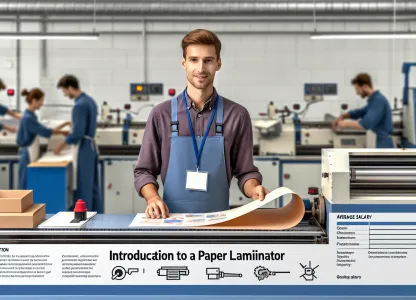
A paper laminator mainly operates and supervises machines for laminating paper and cardboard. Tasks include preparing materials, setting up machines, quality control, monitoring the production process, and troubleshooting any operational issues. The environment is often industrial, involving both manual work and automated machinery. The work requires precision to ensure the final product meets high standards of quality and durability, and good teamwork skills are important as production is often carried out in teams.
Read more ->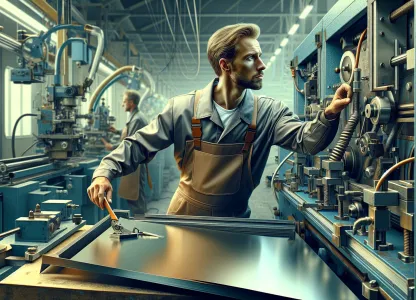
A laminator within metal mainly works with applying various types of coatings or layers on metal components, often to improve durability, corrosion protection, or to give specific technical properties. The tasks include preparing metal surfaces, handling laminating machines, and monitoring processes to ensure quality standards are met. The work often takes place in industrial environments where safety routines are central, and the work environment is characterized by machine noise, requirements for protective equipment, and a high focus on precision. It is common to work independently and in teams, especially on larger production lines.
Read more ->-

Opinion Landscape: Novus February 2026 – Social Democrats Still Largest
Thu, 19 Feb 2026 - 01:35 -

Policy rate remains at 1.75% – Riksbank signals stability
Thu, 29 Jan 2026 - 14:02

A laminator press operator in the plastics industry mainly works with pressing and shaping plastic materials into various components and products. Tasks include preparing materials, monitoring and adjusting press machines, inspecting the quality of finished products, and performing basic maintenance on machinery. The work often takes place in industrial environments where safety and precision are critical. Shift work is common, and the work environment can be noisy and require protective gear. Collaboration with colleagues and the ability to quickly fix potential production issues are important parts of daily work.
Read more ->
Pharmaceutical Sales Representatives primarily work to inform and promote medications to healthcare professionals. The role involves building relationships with doctors, pharmacists, and other decision-makers within healthcare to convey current product information, educate about new medications, and ensure proper usage. The work environment is often mobile, with meetings and presentations taking place on-site at various healthcare providers, but administrative tasks are usually performed from home or the company's office. The profession requires good communication skills, high integrity, and the ability to quickly understand medical facts and regulations.
Read more ->
A pharmaceutical inspector works to ensure that medicines sold and used in Sweden meet legal requirements for quality, safety, and efficacy. The role often involves inspections of pharmacies, pharmaceutical companies, and other entities handling medicines. Tasks include reviewing documentation, sampling, follow-up of deviations, and investigating suspected deficiencies or mishandling. The work is mostly office-based but can also involve travel for site visits and audits. Pharmaceutical inspectors play an important control role and often collaborate with other authorities, laboratories, and industry stakeholders to protect public health.
Read more ->
A Pharmaceutical Researcher works on developing, analyzing, and improving medicines and pharmaceuticals to treat various diseases and conditions. Tasks often include laboratory work, clinical studies, and advanced data analysis. Research can take place both in academia and the private sector, such as at pharmaceutical companies or research institutes. The work environment is high-tech and characterized by interdisciplinary collaborations, where both independent work and teamwork are essential for success.
Read more ->
A pharmaceutical worker, or machine operator in pharmaceutical products, is responsible for monitoring and managing the manufacturing of medicines and medical products on an industrial scale. Tasks include starting, adjusting, and supervising machinery, performing quality checks, and documenting production data according to strict routines and regulations. The environment is often high-tech and requires precision, as work takes place in clean zones where hygiene and safety are critical. Collaboration with colleagues and technical staff is common, while the pace may vary depending on the production stage.
Read more ->
A pharmaceutical responsible pharmacist plays a central role at pharmacies and in the medication supply chain. Their duties include ensuring that medicines are handled, stored, and dispensed according to current laws and quality standards. They are also responsible for developing and implementing routines for medication management, supervising staff, and providing pharmaceutical advice to colleagues and customers. The work is often closely linked with doctors, nurses, and other healthcare professionals. The work environment is characterized by high responsibility, meticulous documentation, and the need for continuous knowledge updates regarding new medicines and regulations.
Read more ->
Medical Secretaries, also called medical administrative assistants or healthcare administrators, are a central resource within Swedish healthcare. The work mainly involves documenting patient records, handling medical correspondence, scheduling appointments, and managing referrals and certificates. Medical Secretaries are responsible for ensuring that all information regarding patient care is handled correctly, quickly, and in accordance with confidentiality regulations. The role requires accuracy, good language skills, and a high level of service orientation. The work environment is characterized by a fast pace and close collaboration with doctors, nurses, and other healthcare staff, often in hospital settings or health centers.
Read more ->
A doctor, general practitioner, is responsible for investigating, diagnosing, and treating patients with a wide range of medical conditions within primary care. Tasks include everything from acute assessments to long-term follow-up of chronic illnesses, as well as coordinating efforts with other healthcare providers. The role also involves writing referrals, issuing certificates, and providing advice on preventive health. The work environment is often characterized by a fast pace, variety, and close contact with patients, colleagues, and other healthcare professionals. The work is usually performed at health centers, clinics, or within private primary care.
Read more ->