News and articles
- Home
- Articles






Latest posts
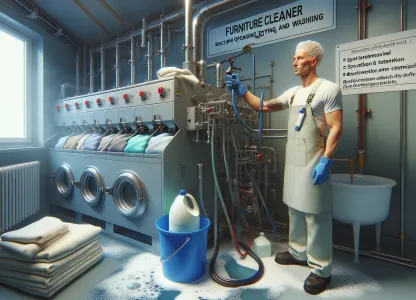
A furniture cleaner works with cleaning and maintenance of furniture, primarily regarding textiles and upholstered surfaces. The work involves treating sofas, armchairs, carpets, and other interior details with specialized machines and chemicals to remove dirt, stains, and allergens. Tasks also include assessing the material condition, choosing the right cleaning method, and performing finishing treatments to protect fabric quality. The work environment varies between visits to private homes, companies, and public spaces, which means both indoor work and sometimes working in customers' premises. Heavy lifting and working in awkward positions may occur, along with the need for good knowledge of chemical handling and ergonomics.
Read more ->
A furniture assembler in manufacturing mainly works on assembling and finishing furniture in a factory or workshop environment. Tasks include putting together wooden parts, attaching fittings, and checking that the final product meets quality standards. The role often involves reading and interpreting drawings, using various hand tools and machines, and sometimes performing simple repairs or adjustments according to customer requests. The work environment involves both standing and sitting work, often in teams, where precision and attention to detail are crucial for the final result.
Read more ->-

Opinion Landscape: Novus February 2026 – Social Democrats Still Largest
Thu, 19 Feb 2026 - 01:35 -

Policy rate remains at 1.75% – Riksbank signals stability
Thu, 29 Jan 2026 - 14:02


A furniture painter is responsible for surface finishing and lacquering furniture and interior details to create a durable and aesthetically pleasing surface. The work includes everything from preparation such as sanding, cleaning, and priming to applying various types of lacquer and paint. Typically, manual and machine methods are used depending on the type of furniture and desired results. The work environment can vary and include small carpentry shops as well as larger industrial settings, where precision, patience, and good material knowledge are crucial for the quality of the final product. Furniture painters often work in ventilated facilities to minimize exposure to chemicals and dust particles.
Read more ->
Furniture retailers primarily work with selling furniture and interior products, often in specialized stores or larger department stores focused on home decor. The role involves advising customers on furniture choices, materials, and functions, as well as handling orders, inventory, and deliveries. The work environment is characterized by customer contact, physical tasks such as moving and assembling furniture, and administrative duties like pricing and product presentation. Flexibility and excellent service skills are essential, as the work can be fast-paced and varied depending on the season and promotions.
Read more ->
A furniture salesperson works to provide professional advice and service to customers seeking furniture and interior products. The role involves guiding customers through various ranges, presenting product advantages, and helping to find suitable solutions based on customer needs and preferences. The work often includes responsibility for product displays, inventory management, order placement, and sometimes simple assembly of furniture in a store environment. The work environment is characterized by social interactions, a varied pace, and close collaboration with colleagues in stores or department stores. Furniture salespeople often meet both private individuals and corporate clients, requiring a flexible and solution-oriented approach.
Read more ->
Software developers are responsible for designing, developing, testing, and maintaining software used across various industries and applications. Common tasks include programming, troubleshooting, documentation, and collaborating with other developers, designers, and users to ensure the final product meets both technical and business requirements. The work environment is often office-based with project work and clear deadlines, but remote work and flexible hours are common. Communication and teamwork are central to the profession, especially in agile teams where rapid iterations and continuous improvement are fundamental principles.
Read more ->
Software engineers work on developing, testing, and maintaining software for a variety of systems and applications. Tasks include programming, system design, troubleshooting, and collaboration with other developers and project managers. The work often takes place in agile teams where problem-solving and innovation are prioritized. The work environment is mostly office-based, but opportunities for remote work are common in the industry.
Read more ->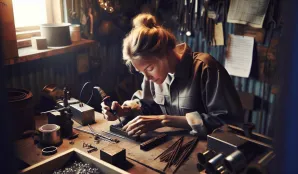
Soft solderers work on joining metal components, typically within electronics and manufacturing industries, using soft solders. Their tasks involve precisely melting and applying solder to create secure and durable connections on circuit boards, wiring, or small mechanical parts. The work is often carried out in production environments or workshops with high standards for quality, cleanliness, and attention to detail. Soft solderers use specialized tools and follow detailed instructions and drawings, while maintaining a safe working environment and minimizing the risk of injury.
Read more ->
A miller is responsible for operating, monitoring, and maintaining machines that grind grain into flour and other products. The work encompasses the entire process from receiving raw materials, quality control, and storage to milling and packaging. The miller ensures that production complies with hygiene and safety regulations and optimizes machine operation for the best possible results. The work environment is often noisy and dusty, involving physical labor and shift work, although modern mills have automated processes and improved working conditions.
Read more ->
A milk producer is responsible for the operation, care, and production at a dairy farm. Tasks include everything from feeding and milking cows to monitoring animal health, maintaining machinery and facilities, and documenting production. Planning of feed, breeding work, and handling administrative tasks related to the farm’s economy and food safety are often included. The work environment is physically demanding and varies between stables, barns, and outdoor settings – with early mornings and work during weekends and holidays. Technological development has changed the profession, but much of the work remains practical and involves close contact with animals.
Read more ->