News and articles
- Home
- Articles






Latest posts
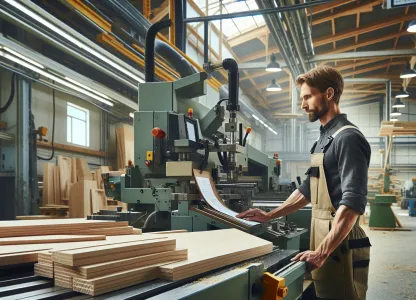
A Monteringssnickare primarily works with assembling wood-based components and structures, often within industrial manufacturing or construction sites. Tasks include both machine processing and manual assembly of furniture, building parts, or custom products. Often included are quality control, reading blueprints, and adapting materials to customer specifications. The work environment is characterized by physical work, sometimes in shifts, and can vary between factories, workshops, and construction projects. Safety routines and ergonomic tools are central to reducing strain and preventing accidents.
Read more ->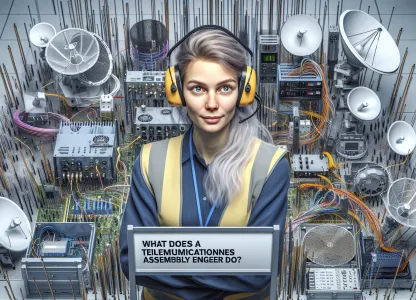
A telecommunications installation engineer is responsible for planning, installing, testing, and commissioning telecommunications systems and equipment. Tasks often include fieldwork and technical troubleshooting at customer sites or in laboratory settings. It also involves configuring and optimizing networks, ensuring installations meet technical and safety standards, and documenting work thoroughly. The work environment can range from offices and laboratories to outdoor sites and facilities, requiring high flexibility and the ability to handle various technical challenges.
Read more ->-

Opinion Landscape: Novus February 2026 – Social Democrats Still Largest
Thu, 19 Feb 2026 - 01:35 -

Policy rate remains at 1.75% – Riksbank signals stability
Thu, 29 Jan 2026 - 14:02

An electronics assembly engineer is responsible for planning, coordinating, and supervising assembly processes for electronic systems and components. The daily work often involves ensuring technical drawings are followed, production lines operate efficiently, and quality and safety standards are maintained. The role requires close collaboration with designers, production staff, and sometimes customers to solve technical problems and optimize assembly flows. The work environment is usually technically advanced and can vary between laboratories, manufacturing facilities, and offices, where project management and technical leadership are central parts of the tasks.
Read more ->
A Montageledare in construction and civil engineering is responsible for leading and coordinating assembly work on construction sites. The role includes planning, work management, and quality assurance of installation and assembly tasks within, for example, house construction, civil engineering projects, or industrial construction. The Montageledare often acts as the link between project management and workers, ensuring that work is carried out according to drawings, safety requirements, and schedules. The work environment is varied and can involve both office work and presence on the construction site, often in a fast-paced setting with high demands on communication and teamwork.
Read more ->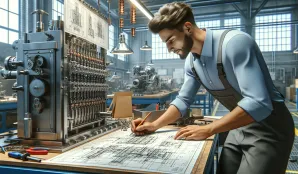
An assembly engineer in mechanical engineering is responsible for planning, leading, and supervising the installation and assembly of machines and technical systems in industrial environments. Tasks often include coordinating between different technical fields, ensuring quality in assembly processes, and solving technical problems. The assembly engineer works closely with production, design, and sometimes customers, requiring both technical expertise and good communication skills. The work environment is varied and may shift between workshop, factory floor, and office, sometimes involving travel to different facilities or project sites. Safety regulations, precision, and a solution-oriented approach are crucial in daily work.
Read more ->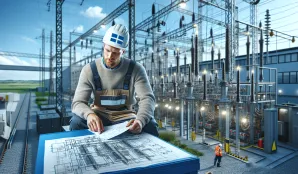
A power distribution engineer is responsible for planning, coordination, and execution of assembly work in power grid projects and power plants. Tasks include technical project management, quality assurance, and practical work with installation and commissioning of power systems. The role involves close collaboration with project managers, designers, and technicians, as well as contact with clients and suppliers. Work is performed both at offices and on-site, requiring flexibility and the ability to handle varying environments, sometimes under time pressure or in the field.
Read more ->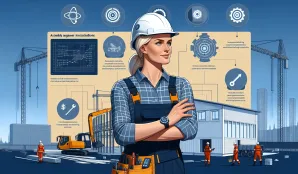
A construction assembly engineer is responsible for planning, leading, and following up on assembly work at construction sites. The work combines technical project management and practical problem-solving, focusing on ensuring that building components and structures are assembled correctly, safely, and according to current standards. The assembly engineer often coordinates between different trades, manages technical drawings, and ensures that deliveries, materials, and resources are available on time. The work environment is varied and may involve both office work and presence on construction sites, where safety, communication, and precision are highly emphasized.
Read more ->
A glass pattern cutter works on creating decorative patterns and precision cuts on glass objects, such as drinking glasses, decanters, and art glass. The tasks often involve using specialized tools and grinding machines to shape and process the glass surface according to drawings or customer requests. The profession requires high accuracy, attention to detail, and an artistic eye. Work is usually carried out in a workshop environment, involving both manual and machine operations. The environment can be noisy and dusty, and protective equipment is used to minimize health risks.
Read more ->
A patternmaker works with preparing and adjusting patterns for textile production within the industry. The tasks include interpreting drawings, transferring patterns to fabric or other materials, and ensuring high-quality pattern matching in the finished product. The work often takes place in a production environment where precision and accuracy are central qualities, as the patternmaker plays a crucial role in the final appearance of textiles, leather, or leather products. Collaboration with designers, machine operators, and quality inspectors is common, and the work environment involves both manual work and machine use.
Read more ->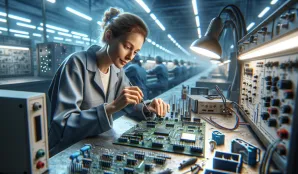
The pattern board operator works with the manufacturing and processing of pattern boards, which are a central component in electronic equipment. Tasks include everything from machine and manual assembly of components to quality control of finished pattern boards. The operator monitors production processes, handles advanced machinery, and ensures that production meets high standards of precision and accuracy. The work environment is often industrial, involving both standing and sitting work in production facilities that may be noisy or require special protective equipment. Shift work also occurs, requiring flexibility and the ability to work under time pressure.
Read more ->