News and articles
- Home
- Articles






Latest posts
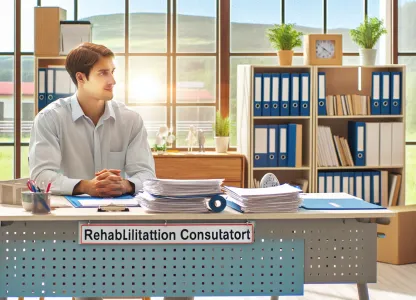
A Rehabiliteringskonsulent works to support individuals back into working life after illness, injury, or extended absence. Tasks include assessing work capacity, developing individual rehabilitation plans, and coordinating between employers, authorities, and healthcare providers. The work is often carried out in close collaboration with clients and external actors such as the Social Insurance Agency (Försäkringskassan) and occupational health services. The work environment is varied and can include office work, meetings at workplaces, and home visits, requiring flexibility and strong organizational skills.
Read more ->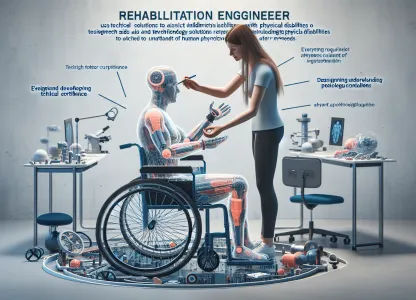
A Rehabiliteringsingenjör works on developing, adapting, and implementing technical aids for people with disabilities. Tasks often include analyzing individual needs, evaluating existing solutions, and designing or modifying products to facilitate daily life and work for users. Collaboration occurs regularly with other professionals such as physiotherapists, occupational therapists, and doctors. The work is both practical and theoretical and can be performed within hospitals, rehabilitation centers, or specialized companies. The work environment is characterized by interdisciplinary collaboration, technical focus, and direct contact with users.
Read more ->-

Opinion Landscape: Novus February 2026 – Social Democrats Still Largest
Thu, 19 Feb 2026 - 01:35 -

Policy rate remains at 1.75% – Riksbank signals stability
Thu, 29 Jan 2026 - 14:02


A rehabilitation assistant works to support and guide individuals who need help regaining or maintaining their physical, mental, or social functioning. Tasks often involve collaboration with other healthcare and social care professionals, such as occupational therapists, nurses, and social workers. Interventions may include motivation work, practical training, social activation, and follow-up of individual rehabilitation plans. The work environment varies between workplaces such as municipal services, private treatment homes, or government institutions, and may involve day, evening, and weekend shifts. Contact with clients is often in groups or individually, and the work entails a high social responsibility.
Read more ->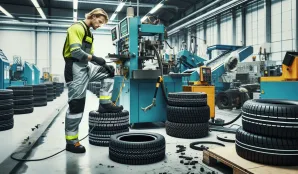
A Regummerare works to extend the lifespan of tires by applying new rubber to worn surfaces, primarily within the vehicle and transportation sector. Tasks include preparing tires, inspecting for wear and damage, and the regumming process where rubber layers are applied and cured. The work is often performed in industrial workshops with specialized machinery. The work environment involves some physical strain and contact with chemicals, requiring good safety awareness and precision. Teamwork is common, but the ability to work independently is also important to ensure quality and efficiency in production.
Read more ->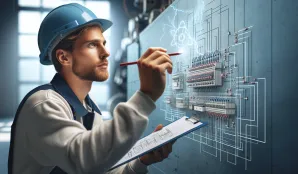
A Reglertekniker works with planning, installing, commissioning, and maintaining automatic control and regulation equipment within industrial facilities, properties, and technical infrastructure. Tasks often include troubleshooting, optimization, and adjustment of complex systems to ensure processes operate efficiently and safely. The role also involves documentation, collaboration with other technicians and engineers, and contact with suppliers. The work environment is varied – some days are spent on-site at industrial plants or buildings, others in offices or control centers. Precision and an analytical approach are often required, as small errors can have significant consequences for entire processes.
Read more ->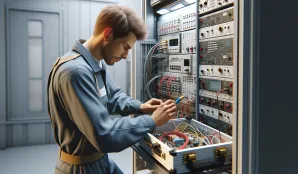
A reglermekaniker mainly works with installation, maintenance, and repair of control and regulation systems within industry, property management, or the energy sector. This can involve calibrating and adjusting advanced measurement equipment, troubleshooting automation systems, or replacing components in ventilation, heating, or process control systems. The work environment varies depending on the workplace and can include machine rooms, industrial facilities, and technical rooms where precision and safety are critical. High demands are often placed on accuracy, problem-solving skills, and the ability to work methodically, both independently and in teams.
Read more ->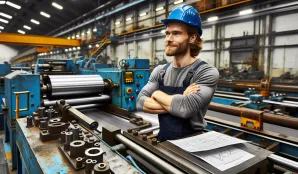
A regulator in a rolling mill monitors and adjusts machines used to shape metal to desired dimensions and properties. The role requires precision, technical knowledge, and the ability to quickly solve problems that may occur during production. Work often takes place in industrial environments where heavy machinery and high noise levels are common, demanding safety awareness and attention. Shift work is typical since rolling mills often operate around the clock to meet high industrial demand.
Read more ->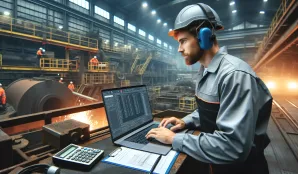
A process controller in a steel plant is responsible for monitoring, controlling, and regulating the processes involved in metal production. The tasks include ensuring that the plant's machinery and process equipment operate optimally, performing checks on temperature, flows, and pressure, and quickly addressing deviations. The work is often carried out in control rooms but may also require tasks out in the production area. The work environment emphasizes high safety standards, noise, and high temperatures, demanding both technical understanding and precision. Shift work is common, meaning working days can vary in length and timing.
Read more ->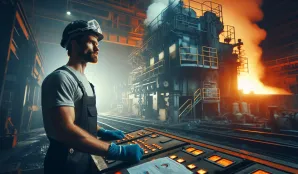
A blast furnace controller is responsible for monitoring and controlling the blast furnace process in metal production, often within the steel or iron industry. The tasks include regulating temperature, pressure, and flows in the furnace to ensure consistent and efficient raw iron production. The work requires careful supervision of production data, performing inspections, and sometimes troubleshooting during operational disruptions. The work environment is typically industrial, with shift work, high temperatures, and noise; safety routines are central, and personal protective equipment is used continuously to minimize risks at the workplace.
Read more ->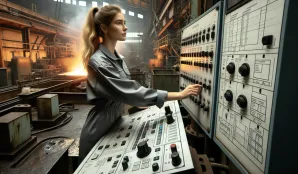
A regulator in iron metallurgical works monitors and adjusts processes in metal production, especially in the manufacture of iron and steel. Tasks include controlling advanced machinery, monitoring temperatures and flows, and ensuring that production processes meet quality and efficiency standards. The role often involves responsibility for quickly detecting and correcting deviations in production, requiring good problem-solving skills and technical understanding. The work environment features large industrial facilities, noise, and sometimes high temperatures, with safety routines central to minimizing risks. Collaboration with colleagues and continuous communication with operations managers are common.
Read more ->